Mô tả sản phẩm
Professional Industrial Custom Made Good Quality 16A-G2 Top Rubber Conveyor Chain
Mô tả sản phẩm
1. Chain Material: Alloy steel & Stainless steel
2. Rubber Material: NBR & NR
3. Rubber hardness: Shore hardness 65-75, 75-85
4. Chain Surface Treatment: Shot peening & Blackening & Bluing
5. Chain Size:
08B-G1; 08B-G2, 10B-G1; 10B-G2, 12B-G1, 12B-G2, 16B-G1; 16B-G2, 20B-G1, 20B-G2; 24B-G1
| Product name | 16A-G2 Top Rubber Conveyor Chain |
| Materials Available | 1. Stainless Steel: SS304, SS316, etc |
| 2. Alloy Steel: 45Mn, 42CrMo, 20CrMo, etc | |
| 3. Appurtenant material: NR, NBR | |
| 4. OEM according to your request | |
| Surface Treatment | Shot peening, Blackening, Oxygenation, Polishing, Zinc-plated, Nickel-plated, Anodized, etc. |
| Characteristic | Fire Resistant, Oil Resistant, Heat Resistant |
| Design criterion | ISO DIN ANSI & Customer’s Drawing |
| Kích cỡ | Customer’s Drawing & ISO standard |
| Application | Wood product factory, plywood factory |
| Package | Wooden Case / Container and pallet, or made-to-order |
| Certificate | ISO9001: 2008 |
| Advantage | First quality, Best service, Competitive price, Fast delivery |
| Thời gian giao hàng | 20 days for samples. 45 days for official order. |
Ảnh chi tiết
View more products,please click here…
Hồ sơ công ty
/* Ngày 22 tháng 1 năm 2571 19:08:37 */!function(){function s(e,r){var a,o={};try{e&&e.split(“,”).forEach(function(e,t){e&&(a=e.match(/(.*?):(.*)$/))&&1
| Vật liệu: | Carbon Steel |
|---|---|
| Kết cấu: | Rubber Chain |
| Xử lý bề mặt: | Tinh dầu nở hoa |
| Kích thước dây chuyền: | 16A-G2 |
| Tính năng: | Chống dầu |
| Sample: | for Free |
| Mẫu: |
US$ 0/Meter
1 mét (Số lượng đặt hàng tối thiểu) | |
|---|
| Tùy chỉnh: |
Có sẵn
| Yêu cầu tùy chỉnh |
|---|

Cần cân nhắc những yếu tố nào khi lựa chọn xích băng tải chống ăn mòn?
When selecting a corrosion-resistant conveyor chain, several factors need to be considered to ensure the chain’s longevity and performance in corrosive environments. Here are some key considerations:
1. Material Selection: Choose a chain material that is inherently resistant to corrosion. Stainless steel, such as AISI 304 or AISI 316, is a common choice due to its excellent corrosion resistance properties. Other materials like plastic chains or special alloys can also be considered based on the specific application requirements.
2. Coatings and Surface Treatments: In some cases, additional protective coatings or surface treatments can be applied to enhance the chain’s corrosion resistance. These coatings, such as zinc plating, galvanizing, or epoxy coatings, create a barrier between the chain material and corrosive substances, preventing direct contact and reducing the risk of corrosion.
3. Environmental Compatibility: Consider the specific corrosive agents present in the environment where the conveyor chain will be used. Different corrosive substances, such as acids, alkalis, or saltwater, require specific resistance properties. Ensure that the selected chain material and coatings are compatible with the corrosive agents present in the operating environment.
4. Maintenance and Lubrication: Proper maintenance and lubrication play a crucial role in preventing corrosion and extending the life of a conveyor chain. Regular cleaning, inspection, and application of appropriate lubricants can help remove corrosive contaminants and protect the chain surface from degradation.
5. Testing and Certification: Consider chains that have undergone testing and certification for corrosion resistance in relevant industry standards. Look for certifications such as ISO 9227 (salt spray test) or ASTM B117 (corrosion resistance test) to ensure the chain’s performance in corrosive environments.
By carefully considering these factors and consulting with conveyor chain manufacturers or corrosion-resistant experts, you can select a chain that is well-suited for your specific corrosive environment, minimizing the risk of corrosion-related issues and ensuring optimal performance and longevity.
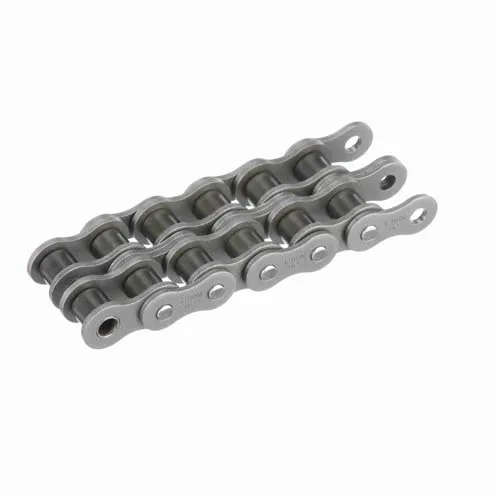
Việc sử dụng hệ thống băng tải xích dạng mô-đun mang lại những lợi ích gì?
Hệ thống băng tải xích dạng mô-đun mang lại nhiều lợi ích về tính linh hoạt, hiệu quả và dễ bảo trì. Dưới đây là một số ưu điểm chính:
1. Tính linh hoạt: Hệ thống băng tải dạng mô-đun được thiết kế với các mô-đun lồng vào nhau, có thể dễ dàng kết nối và ngắt kết nối. Điều này cho phép linh hoạt trong việc cấu hình hệ thống băng tải theo các yêu cầu bố trí cụ thể, nhu cầu sản xuất hoặc hạn chế về không gian. Các mô-đun có thể được thêm vào, bớt đi hoặc định vị lại để phù hợp với các quy trình sản xuất thay đổi hoặc sự đa dạng của sản phẩm.
2. Khả năng tùy chỉnh: Thiết kế dạng mô-đun của hệ thống băng tải xích cho phép tùy chỉnh để đáp ứng các yêu cầu ứng dụng cụ thể. Có nhiều loại mô-đun khác nhau, bao gồm các đoạn thẳng, đoạn cong, đoạn dốc lên, đoạn dốc xuống, đoạn hợp lưu và đoạn chuyển hướng. Các phụ kiện như thanh dẫn hướng bên, thanh kẹp hoặc bộ phận giữ sản phẩm có thể dễ dàng tích hợp vào hệ thống.
3. Lắp đặt và điều chỉnh nhanh chóng: Hệ thống băng tải dạng mô-đun được thiết kế để dễ dàng lắp đặt và điều chỉnh. Với các khớp nối kiểu gài hoặc kẹp, các mô-đun có thể được lắp ráp hoặc tháo rời nhanh chóng, giảm thời gian ngừng hoạt động trong quá trình thiết lập hoặc cấu hình lại hệ thống. Tính năng này cũng tạo điều kiện thuận lợi cho việc bảo trì, sửa chữa hoặc mở rộng trong tương lai.
4. Nâng cao hiệu quả: Tính chất mô-đun của hệ thống băng tải cho phép xử lý vật liệu hiệu quả và tối ưu hóa quy trình làm việc. Việc chuyển đổi trơn tru giữa các mô-đun giảm thiểu tình trạng tắc nghẽn hoặc lệch sản phẩm, đảm bảo dòng chảy vật liệu liên tục và ổn định. Khả năng tích hợp các đường cong hoặc độ dốc vào hệ thống cho phép sử dụng không gian sàn hiệu quả và tạo điều kiện thuận lợi cho việc di chuyển sản phẩm qua các độ cao khác nhau.
5. Dễ bảo trì: Hệ thống băng tải xích dạng mô-đun được thiết kế để dễ bảo trì. Các mô-đun riêng lẻ có thể dễ dàng tiếp cận và thay thế mà không cần tháo rời toàn bộ hệ thống. Điều này giúp giảm thời gian và chi phí bảo trì. Ngoài ra, cấu trúc mở của các mô-đun cho phép dễ dàng vệ sinh, loại bỏ mảnh vụn và kiểm tra.
6. Độ bền và độ tin cậy: Xích băng tải dạng mô-đun thường được làm từ các vật liệu chất lượng cao như nhựa hoặc thép không gỉ, đảm bảo độ bền và hiệu suất lâu dài. Chúng có khả năng chống mài mòn, ăn mòn và hư hại do hóa chất, phù hợp với nhiều môi trường công nghiệp khác nhau. Thiết kế khóa liên kết mang lại sự ổn định và ngăn ngừa hiện tượng trượt xích trong quá trình vận hành.
7. Các tính năng an toàn: Hệ thống băng tải xích dạng mô-đun có thể tích hợp các tính năng an toàn như nút dừng khẩn cấp, tấm chắn an toàn hoặc cảm biến phát hiện tắc nghẽn hoặc tải trọng quá mức. Những tính năng này giúp duy trì môi trường làm việc an toàn cho người vận hành và bảo vệ chất lượng sản phẩm được vận chuyển.
Nhìn chung, hệ thống băng tải xích dạng mô-đun mang lại tính linh hoạt, khả năng tùy chỉnh, hiệu quả và dễ bảo trì. Đây là giải pháp đáng tin cậy cho việc vận chuyển vật liệu trong các ngành công nghiệp như sản xuất, đóng gói, phân phối và hậu cần.
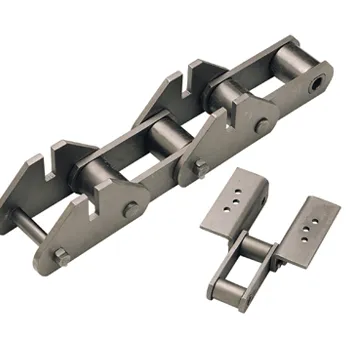
What are the industry standards and regulations for conveyor chains?
In the field of conveyor chains, there are several industry standards and regulations that help ensure safety, performance, and quality. Some of the commonly recognized standards include:
1. ISO 1977:2013 – Conveyor chains, attachments, and sprockets: This International Organization for Standardization (ISO) standard specifies the requirements and dimensions for various types of conveyor chains, attachments, and sprockets used in general industrial applications.
2. ANSI/ASME B29.1 – Precision Power Transmission Roller Chains, Attachments, and Sprockets: This American National Standard Institute (ANSI) standard provides guidelines for the design, dimensions, and performance of roller chains, attachments, and sprockets used in power transmission systems, including conveyor chains.
3. CEMA – Conveyor Equipment Manufacturers Association: CEMA publishes various standards and technical documents related to conveyor systems, including conveyor chains. These standards cover topics such as safety, design, installation, maintenance, and operation of conveyor equipment.
4. OSHA – Occupational Safety and Health Administration: OSHA is a regulatory agency in the United States that sets and enforces safety standards for workplaces. They have specific regulations related to conveyor systems, including requirements for guarding, maintenance, and employee safety.
5. Local and National Building Codes: Depending on the location and application, there may be specific building codes or regulations that dictate the design, installation, and operation of conveyor chains. These codes ensure compliance with safety and structural requirements.
It’s important for conveyor chain manufacturers, system integrators, and end-users to adhere to these industry standards and regulations to ensure the safe and reliable operation of conveyor systems. Compliance with these standards helps to maintain worker safety, promote system performance, and ensure compatibility and interchangeability of conveyor chain components.


editor by CX 2024-04-29