Ürün Açıklaması
Ürün Açıklaması
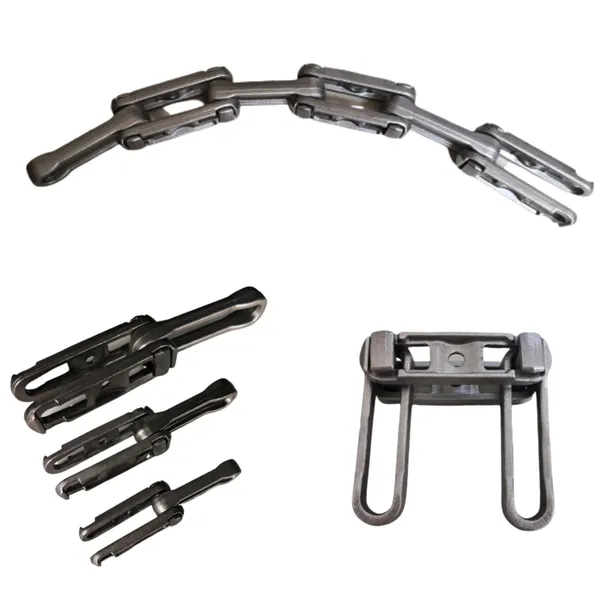
1, Our Chain types: Agricultural roller chain, hollow pin conveyor chain, sugar industry chain, cane feeder and washing table chain, welded steel chain, bakery industry chain, weld steel drag chains,coil conveyor chain, palm oil chain etc;
2, Main materials: It is 40Mn. 40Cr, 45Mn alloy steel, SUS304, and POM Plastic for plates, 10#, 20#, 20CrMnMo, 30CrMnTi for pins and rollers;
3, Heat treatment: Carburizing, Austemper Stressing, nitro-caburizing harden etc;
4, Surface: Shot peening, black, blue or original;
Detailed Photos
For example of WH78, WH82, WH124, WH111, WH106, WH110, WH132, WH150, WH155
Product Parameters
Packaging & Shipping
plastic bag+carton+ OSB Case
Shipping way: these products will be shipped to your local port by sea, these also could be sent to your specific address by air.
Our Advantages
Our chains could be customized according to your actual order quantity, actual drawing and actual requirement. We have own chain process workshop, heat treatment workshop, process equipments and experienced designers.
(01)Assembled workshop
(02)Punching plate workshop
(03)Plate fabrication workshop
(04)Heat treatment workshop
(05)Shot peening workshop
(06) our warehouse
After Sales Service
Our products can be repaired or replaced the new parts with free cost in six months.
| Malzeme: | Alloy |
|---|---|
| Yapı: | Kaynaklı Zincir |
| Yüzey İşlemi: | Carburizing and Quenching |
| Zincir Boyutu: | 153.67mm |
| Özellik: | Heat Resistant |
| Bush Diameter on Inner Link: | 44.50mm |
| Özelleştirme: |
Mevcut
| Özelleştirilmiş Talep |
|---|
Can a conveyor chain be used in cleanroom environments?
Yes, conveyor chains can be used in cleanroom environments with proper selection and design considerations. Cleanroom environments require stringent control of airborne particles, such as dust, microbes, and contaminants, to maintain high levels of cleanliness. Here are some factors to consider when using a conveyor chain in a cleanroom:
1. Material Selection:
– Choose a conveyor chain made from materials that are compatible with cleanroom requirements. Stainless steel, plastic, or special coatings are commonly used for their clean and non-contaminating properties.
– Avoid materials that generate excessive particles or contaminants, such as certain types of lubricants or chain coatings.
2. Design Considerations:
– Design the conveyor chain system to minimize particle generation. This includes smooth surfaces, rounded edges, and avoiding areas that can trap or accumulate particles.
– Use sealed or enclosed chain designs to prevent the release of lubricants or contaminants.
– Consider the integration of additional features, such as covers or guards, to further protect the chain and prevent particle ingress.
3. Cleaning and Maintenance:
– Establish a cleaning and maintenance protocol specific to the cleanroom environment. This may include regular cleaning and sanitization procedures to maintain cleanliness standards.
– Use cleaning agents and procedures that are approved for cleanroom use and do not introduce contaminants.
– Regularly inspect the conveyor chain system for any signs of wear, damage, or contamination. Promptly address any issues to ensure the chain’s reliability and cleanliness.
4. Compliance with Cleanroom Standards:
– Ensure that the conveyor chain system meets the cleanliness and particle generation requirements of the specific cleanroom standards or classifications in which it will be used.
– Comply with relevant industry guidelines and regulations, such as ISO standards, when selecting and using conveyor chains in cleanroom environments.
By considering these factors and implementing proper material selection, design considerations, cleaning protocols, and compliance with cleanroom standards, a conveyor chain can be effectively used in cleanroom environments while maintaining the required cleanliness levels.

Konveyör zincirinin hatvesini seçerken hangi faktörler göz önünde bulundurulmalıdır?
Konveyör zincirinin hatvesini seçerken, optimum performans ve verimlilik sağlamak için çeşitli faktörler göz önünde bulundurulmalıdır. İşte başlıca faktörler:
1. Yük Kapasitesi: Konveyör zincirinin adım aralığı, sistemin beklenen yük kapasitesine göre seçilmelidir. Zincirin kapasitesini aşmadan gerekli yükü taşıyabilmesini sağlamak için taşınacak malzemelerin ağırlığı ve boyutu dikkate alınmalıdır.
2. Hız ve Uygulama: Konveyör sisteminin çalışma hızı ve özel uygulama, zincir aralığının belirlenmesinde rol oynar. Daha yüksek hızlar, sorunsuz ve güvenilir çalışma sağlamak için daha küçük aralıklı zincirler gerektirebilir.
3. Konveyör Uzunluğu: Konveyör sisteminin uzunluğu, zincir adımının seçimini etkiler. Daha uzun konveyörler, yükü dağıtmak ve tek tek zincir bağlantılarındaki gerilimi azaltmak için daha büyük adımlı zincirler gerektirebilir.
4. Alan Kısıtlamaları: Konveyör sistemi için mevcut alanı göz önünde bulundurun. Sınırlı alana sahip uygulamalarda, konveyörün toplam kapladığı alanı en aza indirmek için daha küçük adımlı zincirler tercih edilebilir.
5. Aşınma ve Bakım: Adım seçimi yapılırken beklenen aşınma ve bakım gereksinimleri de dikkate alınmalıdır. Daha küçük adımlı zincirler genellikle daha iyi aşınma direnci sağlar ve daha az sıklıkta yağlama ve bakım gerektirebilir.
6. Hız Düzenlemesi: Konveyör sisteminin hız düzenlemesi veya hassas konumlandırma gerektirmesi durumunda, adım seçimi tahrik sisteminin kontrol yetenekleriyle uyumlu olmalıdır. Daha küçük adımlı zincirler daha hassas kontrol ve doğruluk sağlayabilir.
7. Uyumluluk: Seçilen adım aralığının, dişliler, kılavuzlar ve bağlantı parçaları da dahil olmak üzere konveyör sisteminin diğer bileşenleriyle uyumlu olduğundan emin olun. Bunların sorunsuz ve verimli bir şekilde birlikte çalışacak şekilde tasarlanmış olmaları gerekir.
8. Uygulama Ortamı: Konveyörün çalışacağı çevresel koşulları göz önünde bulundurun. Sıcaklık, nem, aşındırıcı maddeler veya yıpratıcı malzemeler gibi faktörler, dayanıklılık ve uzun ömür sağlamak için zincir adımı ve malzeme seçimini etkileyebilir.
Bu faktörleri göz önünde bulundurarak, konveyör zinciri için uygun adım aralığını seçebilir ve sistemin optimum performansını, uzun ömrünü ve güvenilir çalışmasını sağlayabilirsiniz.

What are the advantages of using a conveyor chain in material handling?
Conveyor chains offer numerous advantages in material handling applications, making them a preferred choice in various industries. Here are some of the key advantages:
- Efficient Transportation: Conveyor chains provide a continuous and reliable means of transporting materials, ensuring a smooth flow throughout the production or distribution process. They can handle both light and heavy loads, enabling efficient movement of items of different sizes and weights.
- Increased Productivity: By automating the material handling process, conveyor chains help increase productivity and operational efficiency. They eliminate the need for manual handling and reduce human effort, allowing employees to focus on other tasks, resulting in higher throughput and reduced labor costs.
- Flexibility and Customization: Conveyor chains can be designed and configured to meet specific material handling requirements. They are available in various lengths, widths, and configurations, allowing for customization based on the layout and space constraints of the facility. Additionally, different types of conveyor chains can be selected to handle specific materials or accommodate special handling needs.
- Improved Safety: Conveyor chains enhance workplace safety by reducing the risk of manual lifting and carrying heavy loads. They provide a controlled and controlled movement of materials, minimizing the chances of accidents and injuries. Additionally, safety features such as emergency stop buttons, guardrails, and sensors can be incorporated into the conveyor system to further enhance safety.
- Space Optimization: Conveyor chains utilize vertical and horizontal space efficiently, making them ideal for facilities with limited floor space. They can be designed to navigate corners, inclines, and declines, allowing for optimized layout and maximizing the use of available space.
- Versatility: Conveyor chains are versatile and can handle a wide range of materials, including bulk items, packaged goods, fragile items, and irregularly shaped objects. They can accommodate different types of conveyance methods such as flat, inclined, or spiral conveyors, providing flexibility in material handling processes.
- Improved Inventory Control: Conveyor chains enable better inventory control by facilitating the smooth movement and tracking of materials. They can be integrated with barcode scanners, RFID technology, or other tracking systems to monitor the flow of goods and provide real-time information on inventory levels.
- Reduced Material Damage: Conveyor chains help minimize material damage during handling and transportation. They provide a stable and controlled movement, reducing the risk of items falling or getting damaged due to manual handling or rough transportation methods.
The advantages of using a conveyor chain in material handling include improved efficiency, productivity, safety, space utilization, and inventory control, leading to cost savings and enhanced overall operational performance.


editor by CX 2023-09-06