Descrizione del prodotto
Descrizione del prodotto
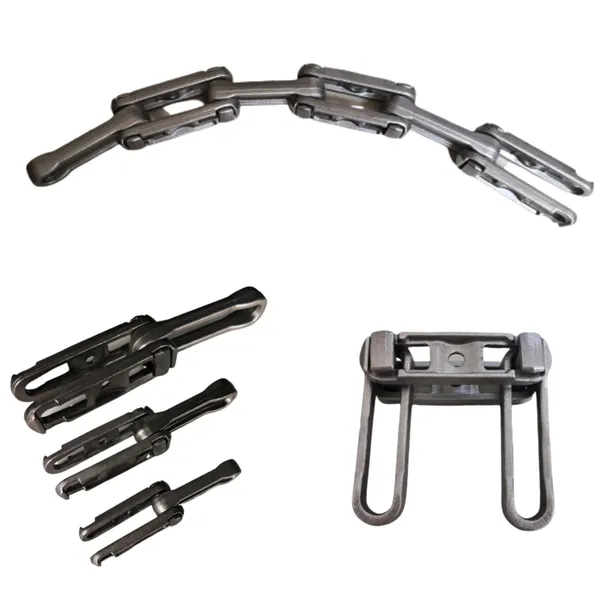
1, Our Chain types: Agricultural roller chain, hollow pin conveyor chain, sugar industry chain, cane feeder and washing table chain, welded steel chain, bakery industry chain, weld steel drag chains,coil conveyor chain, palm oil chain etc;
2, Main materials: It is 40Mn. 40Cr, 45Mn alloy steel, SUS304, and POM Plastic for plates, 10#, 20#, 20CrMnMo, 30CrMnTi for pins and rollers;
3, Heat treatment: Carburizing, Austemper Stressing, nitro-caburizing harden etc;
4, Surface: Shot peening, black, blue or original;
Detailed Photos
For example of WH78, WH82, WH124, WH111, WH106, WH110, WH132, WH150, WH155
Product Parameters
Packaging & Shipping
plastic bag+carton+ OSB Case
Shipping way: these products will be shipped to your local port by sea, these also could be sent to your specific address by air.
Our Advantages
Our chains could be customized according to your actual order quantity, actual drawing and actual requirement. We have own chain process workshop, heat treatment workshop, process equipments and experienced designers.
(01)Assembled workshop
(02)Punching plate workshop
(03)Plate fabrication workshop
(04)Heat treatment workshop
(05)Shot peening workshop
(06) our warehouse
After Sales Service
Our products can be repaired or replaced the new parts with free cost in six months.
| Materiale: | Lega |
|---|---|
| Struttura: | Catena saldata |
| Trattamento superficiale: | Carburizing and Quenching |
| Dimensioni della catena: | 153.67mm |
| Caratteristica: | Resistente al calore |
| Bush Diameter on Inner Link: | 44.50mm |
| Personalizzazione: |
Disponibile
| Richiesta personalizzata |
|---|
Can a conveyor chain be used in cleanroom environments?
Yes, conveyor chains can be used in cleanroom environments with proper selection and design considerations. Cleanroom environments require stringent control of airborne particles, such as dust, microbes, and contaminants, to maintain high levels of cleanliness. Here are some factors to consider when using a conveyor chain in a cleanroom:
1. Selezione dei materiali:
– Choose a conveyor chain made from materials that are compatible with cleanroom requirements. Stainless steel, plastic, or special coatings are commonly used for their clean and non-contaminating properties.
– Avoid materials that generate excessive particles or contaminants, such as certain types of lubricants or chain coatings.
2. Design Considerations:
– Design the conveyor chain system to minimize particle generation. This includes smooth surfaces, rounded edges, and avoiding areas that can trap or accumulate particles.
– Use sealed or enclosed chain designs to prevent the release of lubricants or contaminants.
– Consider the integration of additional features, such as covers or guards, to further protect the chain and prevent particle ingress.
3. Cleaning and Maintenance:
– Establish a cleaning and maintenance protocol specific to the cleanroom environment. This may include regular cleaning and sanitization procedures to maintain cleanliness standards.
– Use cleaning agents and procedures that are approved for cleanroom use and do not introduce contaminants.
– Regularly inspect the conveyor chain system for any signs of wear, damage, or contamination. Promptly address any issues to ensure the chain’s reliability and cleanliness.
4. Compliance with Cleanroom Standards:
– Ensure that the conveyor chain system meets the cleanliness and particle generation requirements of the specific cleanroom standards or classifications in which it will be used.
– Comply with relevant industry guidelines and regulations, such as ISO standards, when selecting and using conveyor chains in cleanroom environments.
By considering these factors and implementing proper material selection, design considerations, cleaning protocols, and compliance with cleanroom standards, a conveyor chain can be effectively used in cleanroom environments while maintaining the required cleanliness levels.

Quali sono i fattori da considerare nella scelta del passo di una catena di trasporto?
Nella scelta del passo di una catena di trasporto, è necessario considerare diversi fattori per garantire prestazioni ed efficienza ottimali. Ecco i fattori chiave:
1. Capacità di carico: Il passo della catena del trasportatore deve essere scelto in base alla capacità di carico prevista del sistema. Considerare il peso e le dimensioni dei materiali trasportati per assicurarsi che la catena possa gestire il carico richiesto senza superare la sua capacità.
2. Velocità e applicazione: La velocità di funzionamento del sistema di trasporto e l'applicazione specifica influiscono sulla determinazione del passo. Velocità più elevate possono richiedere catene con passo più piccolo per garantire un funzionamento fluido e affidabile.
3. Lunghezza del trasportatore: La lunghezza del sistema di trasporto influisce sulla scelta del passo della catena. I trasportatori più lunghi possono richiedere catene con passo maggiore per distribuire il carico e ridurre la tensione sui singoli anelli della catena.
4. Vincoli di spazio: Considerare lo spazio disponibile per il sistema di trasporto. Nelle applicazioni con spazio limitato, si possono preferire catene a passo ridotto per minimizzare l'ingombro complessivo del trasportatore.
5. Usura e manutenzione: nella scelta del passo delle catene è necessario considerare anche l'usura prevista e le esigenze di manutenzione. Le catene a passo più piccolo offrono spesso una maggiore resistenza all'usura e possono richiedere lubrificazione e manutenzione meno frequenti.
6. Regolazione della velocità: Se il sistema di trasporto richiede la regolazione della velocità o un posizionamento preciso, la scelta del passo deve essere compatibile con le capacità di controllo del sistema di azionamento. Le catene con passo più piccolo offrono un controllo e una precisione maggiori.
7. Compatibilità: Assicurarsi che il passo selezionato sia compatibile con gli altri componenti del sistema di trasporto, inclusi pignoni, guide e accessori. Devono essere progettati per funzionare insieme in modo fluido ed efficiente.
8. Ambiente di applicazione: Considerare le condizioni ambientali in cui il trasportatore opererà. Fattori come temperatura, umidità, sostanze corrosive o materiali abrasivi possono influenzare la scelta del passo e del materiale della catena per garantire durata e longevità.
Tenendo conto di questi fattori, è possibile selezionare il passo appropriato per la catena del trasportatore, garantendo prestazioni ottimali, durata e funzionamento affidabile del sistema.

What are the advantages of using a conveyor chain in material handling?
Conveyor chains offer numerous advantages in material handling applications, making them a preferred choice in various industries. Here are some of the key advantages:
- Efficient Transportation: Conveyor chains provide a continuous and reliable means of transporting materials, ensuring a smooth flow throughout the production or distribution process. They can handle both light and heavy loads, enabling efficient movement of items of different sizes and weights.
- Increased Productivity: By automating the material handling process, conveyor chains help increase productivity and operational efficiency. They eliminate the need for manual handling and reduce human effort, allowing employees to focus on other tasks, resulting in higher throughput and reduced labor costs.
- Flexibility and Customization: Conveyor chains can be designed and configured to meet specific material handling requirements. They are available in various lengths, widths, and configurations, allowing for customization based on the layout and space constraints of the facility. Additionally, different types of conveyor chains can be selected to handle specific materials or accommodate special handling needs.
- Improved Safety: Conveyor chains enhance workplace safety by reducing the risk of manual lifting and carrying heavy loads. They provide a controlled and controlled movement of materials, minimizing the chances of accidents and injuries. Additionally, safety features such as emergency stop buttons, guardrails, and sensors can be incorporated into the conveyor system to further enhance safety.
- Space Optimization: Conveyor chains utilize vertical and horizontal space efficiently, making them ideal for facilities with limited floor space. They can be designed to navigate corners, inclines, and declines, allowing for optimized layout and maximizing the use of available space.
- Versatility: Conveyor chains are versatile and can handle a wide range of materials, including bulk items, packaged goods, fragile items, and irregularly shaped objects. They can accommodate different types of conveyance methods such as flat, inclined, or spiral conveyors, providing flexibility in material handling processes.
- Improved Inventory Control: Conveyor chains enable better inventory control by facilitating the smooth movement and tracking of materials. They can be integrated with barcode scanners, RFID technology, or other tracking systems to monitor the flow of goods and provide real-time information on inventory levels.
- Reduced Material Damage: Conveyor chains help minimize material damage during handling and transportation. They provide a stable and controlled movement, reducing the risk of items falling or getting damaged due to manual handling or rough transportation methods.
The advantages of using a conveyor chain in material handling include improved efficiency, productivity, safety, space utilization, and inventory control, leading to cost savings and enhanced overall operational performance.


editor by CX 2023-09-06