คำอธิบายผลิตภัณฑ์
รายการสินค้าของเรา:
โซ่ลูกกลิ้งมาตรฐานแบบเดี่ยว/คู่/สามตัว ซีรีส์ A และ B และโซ่ลูกกลิ้งแบบไม่มาตรฐาน
| ดีไอเอ็นไอ | ANSI | ขว้าง | ลูกกลิ้ง | ความกว้าง | เข็มหมุด | เข็มหมุด | ลนเนอร์ | จาน | สุดยอด | เฉลี่ย | น้ำหนัก | |
| คิน/ไอโซ | อันสล | ระหว่าง | เส้นผ่านศูนย์กลาง | ความยาว | จาน | หนา | แรงดึง | แรงดึง | ต่อ | |||
| โซ่ | โซ่ | แผ่นด้านใน | ความลึก | -ความเป็น | ความแข็งแกร่ง | ความแข็งแกร่ง | เมตร | |||||
| เลขที่ | เลขที่ | พี | d1 | บี1 | d2 | แอล | แอลซี | เอช2 | ที | คิว | คิว0 | q |
| สูงสุด | นาที | สูงสุด | สูงสุด | สูงสุด | สูงสุด | สูงสุด | นาที | |||||
| มม. | มม. | มม. | มม. | มม. | มม. | มม. | มม. | กิโลนิวตัน/ปอนด์ | kN | กก./ม. | ||
| *03C | *15 | 4.7625 | 2.48 | 2.38 | 1.62 | 6.1 | 6.9 | 4.3 | 0.6 | 1.80/409 | 2 | 0.08 |
| *04C-1 | *25 | 6.35 | 3.3 | 3.18 | 2.31 | 7.9 | 8.4 | 6 | 0.8 | 3.50/795 | 4.6 | 0.15 |
| *06C-1 | *35 | 9.525 | 5.08 | 4.77 | 3.58 | 12.4 | 13.17 | 9 | 1.3 | 7.90/1795 | 10.8 | 0.33 |
| 085-1 | 41 | 12.7 | 7.77 | 6.25 | 3.58 | 13.75 | 15 | 9.91 | 1.3 | 6.67/1516 | 12.6 | 0.41 |
| 08A-1 | 40 | 12.7 | 7.95 | 7.85 | 3.96 | 16.6 | 17.8 | 12 | 1.5 | 14.10/3205 | 17.5 | 0.62 |
| 10A-1 | 50 | 15.875 | 10.16 | 9.4 | 5.08 | 20.7 | 22.2 | 15.09 | 2.03 | 22.20/5045 | 29.4 | 1.02 |
| 12A-1 | 60 | 19.05 | 11.91 | 12.57 | 5.94 | 25.9 | 27.7 | 18 | 2.42 | 31.80/7227 | 41.5 | 1.5 |
| 16A-1 | 80 | 25.4 | 15.88 | 15.75 | 7.92 | 32.7 | 35 | 24 | 3.25 | 59.70/12886 | 69.4 | 2.6 |
| 20A-1 | 100 | 31.75 | 19.05 | 18.9 | 9.53 | 40.4 | 44.7 | 30 | 4 | 88.50/20114 | 109.2 | 3.91 |
| 24A-1 | 120 | 38.1 | 22.23 | 25.22 | 11.1 | 50.3 | 54.3 | 35.7 | 4.8 | 127.00/28864 | 156.3 | 5.62 |
| 28A-1 | 140 | 44.45 | 25.4 | 25.22 | 12.7 | 54.4 | 59 | 41 | 5.6 | 172.40/39182 | 212 | 7.5 |
| 32A-1 | 160 | 50.8 | 28.58 | 31.55 | 14.27 | 64.8 | 69.6 | 47.8 | 6.4 | 226.80/51545 | 278.9 | 1.1 |
| 36A-1 | 180 | 57.15 | 35.71 | 35.48 | 17.46 | 72.8 | 78.6 | 53.6 | 7.2 | 280.20/63682 | 341.8 | 13.45 |
| 40A-1 | 200 | 63.5 | 39.68 | 37.85 | 19.85 | 80.3 | 87.2 | 60 | 8 | 353.80/80409 | 431.6 | 16.15 |
| 48A-1 | 240 | 76.2 | 47.63 | 47.35 | 23.81 | 90.5 | 103 | 72.39 | 9.5 | 51.30/115977 | 622.5 | 23.2 |
| ดีไอเอ็นไอ | ขว้าง | ลูกกลิ้ง | ความกว้าง | เข็มหมุด | เข็มหมุด | ลนเนอร์ | จาน | สุดยอด | เฉลี่ย | น้ำหนัก | |
| คิน/ไอโซ | ระหว่าง | เส้นผ่านศูนย์กลาง | ความยาว | จาน | หนา | แรงดึง | แรงดึง | ต่อ | |||
| โซ่ | แผ่นด้านใน | ความลึก | -ความเป็น | ความแข็งแกร่ง | ความแข็งแกร่ง | เมตร | |||||
| เลขที่ | พี | d1 | บี1 | d2 | แอล | แอลซี | เอช2 | ที | คิว | คิว0 | q |
| สูงสุด | นาที | สูงสุด | สูงสุด | สูงสุด | สูงสุด | สูงสุด | นาที | ||||
| มม. | มม. | มม. | มม. | มม. | มม. | มม. | มม. | กิโลนิวตัน/ปอนด์ | kN | กก./ม. | |
| 04B-1 | 6 | 4 | 2.8 | 1.85 | 6.8 | 7.8 | 5 | 0.6 | 3.2/682 | 3.2 | 0.11 |
| 05B-1 | 8 | 5 | 3 | 2.31 | 8.2 | 8.9 | 7.1 | 0.8 | 5.0/1136 | 5.9 | 0.2 |
| *06B-1 | 9.525 | 6.35 | 5.72 | 3.28 | 13.15 | 14.1 | 8.2 | 1.3 | 9.0/2045 | 10.4 | 0.41 |
| 08B-1 | 12.7 | 8.51 | 7.75 | 4.45 | 16.7 | 18.2 | 11.8 | 1.6 | 18.0/4091 | 19.4 | 0.69 |
| 10บี-1 | 15.875 | 10.16 | 9.65 | 5.08 | 19.5 | 20.9 | 14.7 | 1.7 | 22.4/5091 | 27.5 | 0.93 |
| 12บี-1 | 19.05 | 12.07 | 11.68 | 5.72 | 22.5 | 24.2 | 16 | 1.85 | 29.0/6591 | 32.2 | 1.15 |
| 16บี-1 | 25.4 | 15.88 | 17.02 | 8.28 | 36.1 | 37.4 | 21 | 4.15/3.1 | 60.0/13636 | 72.8 | 2.71 |
| 20B-1 | 31.75 | 19.05 | 19.56 | 10.19 | 41.3 | 45 | 26.4 | 4.5/3.5 | 95.0/21591 | 106.7 | 3.7 |
| 24บี-1 | 38.1 | 25.4 | 25.4 | 14.63 | 53.4 | 57.8 | 33.2 | 6.0/4.8 | 160.0/36364 | 178 | 7.1 |
| 28B-1 | 44.45 | 27.94 | 30.99 | 15.9 | 65.1 | 69.5 | 36.7 | 7.5/6.0 | 200.0/45455 | 222 | 8.5 |
| 32บี-1 | 50.8 | 29.21 | 30.99 | 17.81 | 66 | 71 | 42 | 7.0/6.0 | 250.0/56818 | 277.5 | 10.25 |
| 40บี-1 | 63.5 | 39.37 | 38.1 | 22.89 | 82.2 | 89.2 | 52.96 | 8.5/8.0 | 355.0/80682 | 394 | 16.35 |
| 48บี-1 | 76.2 | 48.26 | 45.72 | 29.24 | 99.1 | 107 | 63.8 | 560.0/127272 | 621.6 | 25 | |
สินค้าจัดแสดง
Our workshop and hot treatment equipment.
คำถามที่พบบ่อย
คำถามที่ 1. เงื่อนไขการบรรจุสินค้าของคุณเป็นอย่างไร?
A: โดยทั่วไปแล้ว เราจะบรรจุสินค้าในกล่องสีเดียว หากคุณมีคำขอพิเศษเกี่ยวกับการบรรจุสินค้า โปรดแจ้งให้เราทราบล่วงหน้า เราสามารถบรรจุสินค้าตามที่คุณต้องการได้
คำถามที่ 2. เงื่อนไขการชำระเงินของคุณคืออะไร?
A: ชำระเงินมัดจำด้วย T/T 30% และชำระอีกครั้ง 70% ก่อนส่งมอบสินค้า เราจะส่งรูปภาพสินค้าและบรรจุภัณฑ์ให้คุณดู
ก่อนชำระยอดคงเหลือ สำหรับเงื่อนไขการชำระเงินอื่นๆ โปรดติดต่อเราล่วงหน้าเพื่อเจรจาพูดคุย
คำถามที่ 3. เงื่อนไขการจัดส่งสินค้าของคุณคืออะไร?
A: EXW, FOB, CFR, CIF
คำถามที่ 4. ระยะเวลาในการจัดส่งของคุณเป็นอย่างไรบ้างครับ/คะ?
A: โดยทั่วไปแล้วจะใช้เวลา 25 ถึง 30 วันหลังจากได้รับเงินมัดจำแล้ว ระยะเวลาการจัดส่งที่แน่นอนขึ้นอยู่กับหลายปัจจัย
ขึ้นอยู่กับรายการสินค้าและจำนวนที่สั่งซื้อ
Q5. คุณสามารถผลิตตามตัวอย่างได้หรือไม่?
A: ได้ครับ เราสามารถผลิตตามตัวอย่างหรือแบบร่างทางเทคนิคของคุณได้ เราสามารถสร้างแม่พิมพ์และอุปกรณ์ประกอบได้ครับ
คำถามที่ 6. ตัวอย่างนโยบายของคุณคืออะไร?
A: เราสามารถจัดส่งตัวอย่างได้หากเรามีชิ้นส่วนพร้อมในสต็อก แต่ลูกค้าต้องชำระค่าตัวอย่างด้วย
ค่าจัดส่ง เรายินดีรับคำสั่งซื้อตัวอย่าง
Q7. คุณทดสอบสินค้าทั้งหมดก่อนส่งมอบหรือไม่?
A: ใช่ค่ะ เรามีการทดสอบ 100% ก่อนส่งมอบสินค้า
Q8: คุณจะสร้างความสัมพันธ์ทางธุรกิจที่ดีและยั่งยืนกับเราได้อย่างไร?
1. เรามุ่งมั่นที่จะรักษาคุณภาพที่ดีและราคาที่แข่งขันได้ เพื่อให้ลูกค้าของเราได้รับประโยชน์สูงสุด
2. เราให้เกียรติลูกค้าทุกท่านเสมือนเพื่อน และเราทำธุรกิจและสร้างมิตรภาพกับพวกเขาด้วยความจริงใจ
ไม่ว่าพวกเขาจะมาจากที่ไหนก็ตาม
| วัสดุ: | โลหะผสม |
|---|---|
| โครงสร้าง: | โซ่ลูกกลิ้ง |
| การเตรียมพื้นผิว: | การขัดเงา |
| ขนาดสร้อย: | 1/2"*11/128" |
| คุณสมบัติ: | ทนไฟ ทนน้ำมัน ทนความร้อน |
| บรรจุภัณฑ์สำหรับการขนส่ง: | กล่องไม้ที่ไม่ต้องรมยา ขนส่งทางอากาศ ทางทะเล |
| ตัวอย่าง: |
US$ 2/เมตร
1 เมตร (สั่งขั้นต่ำ) | |
|---|
| การปรับแต่ง: |
มีอยู่
| คำขอที่กำหนดเอง |
|---|
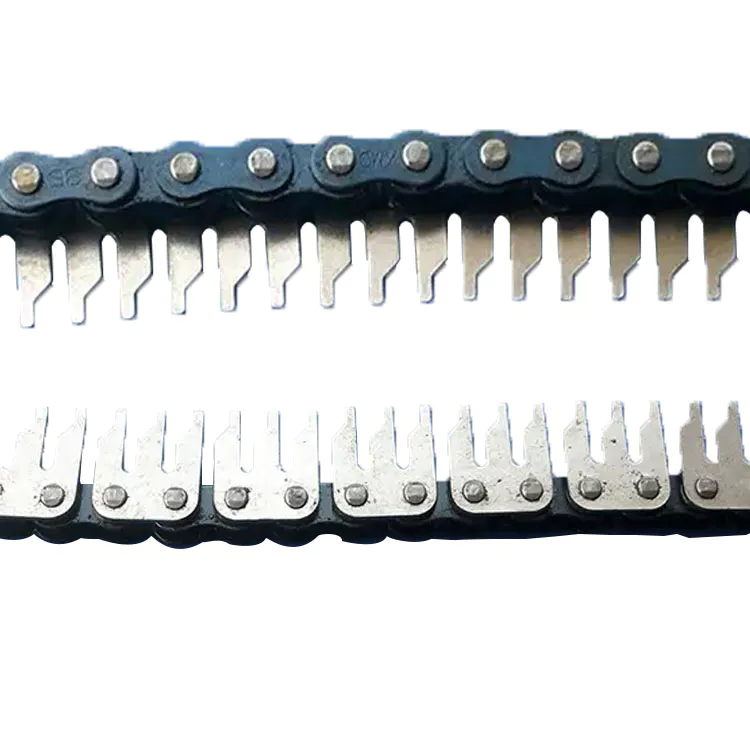
Can a conveyor chain be used in automotive assembly lines?
Yes, a conveyor chain can be effectively used in automotive assembly lines. Here are the reasons why:
1. Efficient Material Handling:
– Conveyor chains provide a reliable and efficient means of transporting automotive components and parts along the assembly line. They can handle heavy loads and withstand the demanding requirements of automotive manufacturing.
2. Versatility:
– Conveyor chains offer versatility in terms of design and configuration. They can be customized to accommodate various assembly processes, such as body welding, painting, assembly, and final inspection.
3. Precise Positioning:
– Conveyor chains allow precise positioning and synchronization of automotive components, ensuring accurate assembly and alignment during the production process. This helps maintain consistent quality and reduces errors.
4. Automation Integration:
– Conveyor chains can be easily integrated with automation systems in automotive assembly lines. They can work in conjunction with robotic arms, vision systems, and other automated equipment to optimize the production process and improve efficiency.
5. Assembly Line Flexibility:
– Conveyor chains provide flexibility in terms of line configuration and layout. They can be designed to accommodate different assembly line layouts, including straight sections, curves, inclines, and declines, to meet the specific requirements of automotive assembly processes.
6. Space Optimization:
– Conveyor chains help optimize space utilization in automotive assembly plants. They can be designed to navigate around existing equipment and infrastructure, making efficient use of available floor space.
7. Safety:
– Conveyor chains are designed with safety features to protect operators and prevent accidents. Emergency stop controls, guarding, and interlocking mechanisms ensure the safe operation of the assembly line.
8. Increased Production Speed:
– By using conveyor chains, automotive assembly lines can achieve higher production speeds, allowing for faster manufacturing cycles and increased output.
Overall, conveyor chains play a crucial role in enhancing the efficiency, productivity, and safety of automotive assembly lines, contributing to the smooth and streamlined production of vehicles.
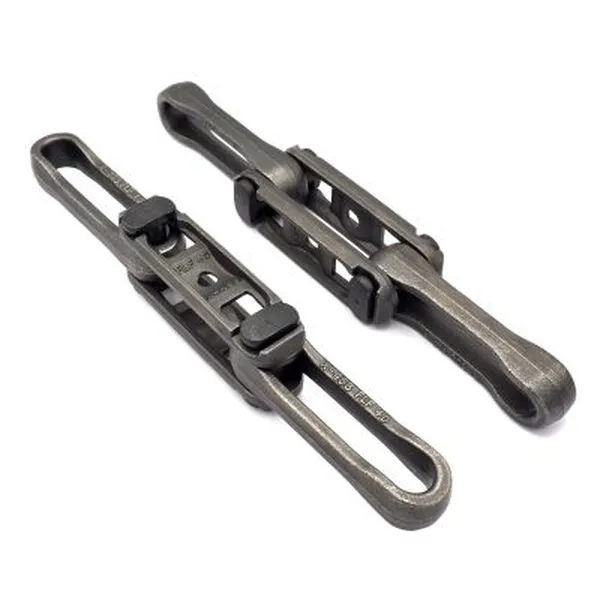
What are the safety measures for working with heavy-duty conveyor chains?
Working with heavy-duty conveyor chains requires strict adherence to safety measures to protect the workers and maintain a safe working environment. Here are some important safety measures to consider:
1. Proper Training: All personnel involved in working with conveyor chains should receive comprehensive training on the safe operation and maintenance of the equipment. This includes understanding the potential hazards, safety procedures, and proper use of personal protective equipment (PPE).
2. Equipment Inspection: Regular inspection of the conveyor chain and associated components is crucial to identify any signs of wear, damage, or malfunction. This includes checking for loose fasteners, worn sprockets, misalignment, and any other potential hazards. Any issues should be addressed promptly to prevent accidents.
3. Lockout/Tagout: Before performing any maintenance or repair tasks on the conveyor chain, proper lockout/tagout procedures must be followed. This ensures that the equipment is de-energized and isolated from any power source to prevent accidental startup or movement.
4. Personal Protective Equipment (PPE): Workers should wear appropriate PPE, including safety glasses, gloves, steel-toed boots, and hearing protection. The specific PPE requirements may vary depending on the nature of the work and the potential hazards involved.
5. Safe Work Practices: Workers should follow safe work practices, such as avoiding loose clothing or jewelry that can get caught in the chain, keeping hands and clothing clear of moving parts, and using proper lifting techniques when handling heavy loads.
6. Emergency Stop Systems: Conveyor systems should be equipped with emergency stop buttons or pull cords that allow workers to quickly stop the chain in case of an emergency or hazardous situation.
7. Regular Maintenance: Scheduled maintenance and lubrication of the conveyor chain should be performed according to the manufacturer’s recommendations. This helps to ensure optimal performance and minimize the risk of unexpected failures.
8. Clear Warning Signs and Labels: Proper signage, warning labels, and safety instructions should be clearly displayed near the conveyor chain system to remind workers of potential hazards and safe operating procedures.
9. Regular Safety Training and Communication: Ongoing safety training and communication among the workforce are vital to reinforce safe practices and raise awareness of any changes or updates to safety protocols.
By implementing these safety measures and fostering a safety-conscious culture, the risks associated with working with heavy-duty conveyor chains can be minimized, ensuring the well-being of the workers and the efficient operation of the equipment.
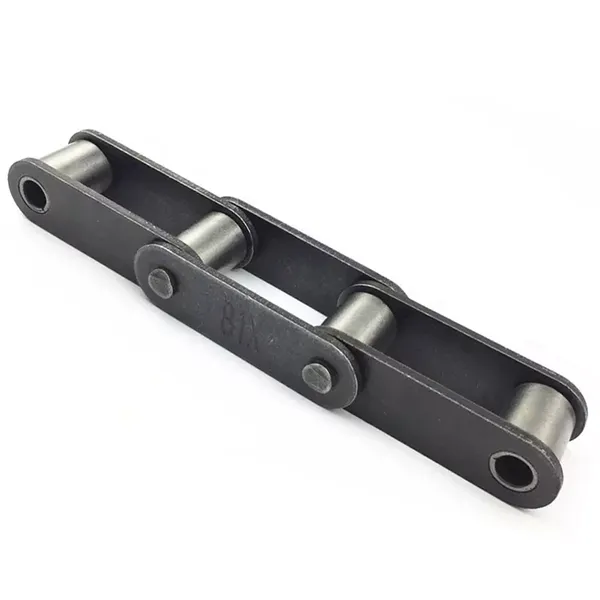
What are the common causes of conveyor chain failures?
Conveyor chain failures can occur due to various reasons, and identifying the root cause is crucial for preventing future issues. Here are some common causes of conveyor chain failures:
- Lack of Lubrication: Insufficient or improper lubrication can lead to increased friction and wear on the chain components, resulting in premature failure.
- Excessive Load: Overloading the conveyor chain beyond its rated capacity can cause excessive stress and strain, leading to chain elongation, deformation, or link breakage.
- Misalignment: Improper alignment of the conveyor chain can cause uneven loading and excessive wear on specific areas, leading to chain failure.
- Environmental Factors: Harsh operating environments, such as high temperatures, corrosive substances, or abrasive materials, can accelerate chain wear and corrosion, leading to failure.
- Foreign Objects: The presence of foreign objects or debris on the conveyor system can interfere with the movement of the chain, causing jamming, binding, or chain damage.
- Poor Maintenance: Inadequate maintenance practices, such as irregular inspections, failure to address minor issues promptly, or neglecting to replace worn components, can contribute to chain failures.
- Incorrect Installation: Improper installation, including incorrect tensioning, misalignment, or using incompatible components, can result in premature chain failure.
- Fatigue and Wear: Continuous operation over time can lead to fatigue and wear in the chain, especially in high-speed or heavy-duty applications, resulting in eventual failure.
Regular maintenance, proper lubrication, adequate training for operators, and adherence to manufacturer guidelines can help mitigate these common causes of conveyor chain failures. Conducting routine inspections, promptly addressing issues, and replacing worn components can also significantly extend the life of the conveyor chain.


editor by CX 2023-10-11