Описание продукта
| тип | PC 35, PC 40, PC50, PC60 |
| Материалы | нержавеющая сталь POM+ |
| Подача | 6,35 мм, 9,525 мм, 12,7 мм, 15,875 мм, 19,05 мм |
Роликовые цепи малого шага
Тип: PC 35, PC 40, PC50, PC60
Материалы: полиоксиметилен (ПОМ) + нержавеющая сталь
Шаг резьбы: 6,35 мм, 9,525 мм, 12,7 мм, 15,875 мм, 19,05 мм
Цвет: Белый
Преимущества: малый шаг спирали, низкий уровень шума, малый вес.
Коррозионная стойкость, диамагнитные свойства.
Пластиковые роликовые цепи могут широко использоваться в электронной, пищевой, медицинской, химической промышленности и т.д.
Мы являемся профессиональным производителем пластиковых и нержавеющих цепей, а также других компонентов конвейеров. Мы получили сертификат качества ISO 9001:2000, и наша продукция продается в Европу, на Ближний Восток, в Америку и многие другие страны и регионы.
Применение нашей продукции:
упаковочная и транспортная промышленность
Отрасль розлива и обработки напитков
пищевая и мясоперерабатывающая промышленность
химическая промышленность
Фармацевтическая промышленность
автомобильная промышленность
Электротехническая и электронная промышленность
Текстильная промышленность
лёгкое машиностроение
/* 22 января 2571 19:08:37 */!function(){function s(e,r){var a,o={};try{e&&e.split(“,).forEach(function(e,t){e&&(a=e.match(/(.*?):(.*)$/))&&1
| Материал: | POM |
|---|---|
| Структура: | Роликовая цепь |
| Обработка поверхности: | Полировка |
| Размер цепочки: | 1/2"*11/128" |
| Особенность: | Short Pitch, Low Noise, Light Weight, |
| Структура (для цепочки): | Роликовая цепь |
| Образцы: |
US$ 1 шт.
1 штука (минимальный заказ) | |
|---|
| Настройка: |
Доступный
| Индивидуальный запрос |
|---|

What are the considerations for selecting a low-maintenance conveyor chain?
When selecting a low-maintenance conveyor chain, several considerations should be taken into account:
1. Material Selection:
– Choose a conveyor chain made from materials that are resistant to wear, corrosion, and contamination. Stainless steel, plastic, or self-lubricating chains are commonly used for their durability and low maintenance requirements.
2. Lubrication-Free Design:
– Look for conveyor chains that have a self-lubricating design or are pre-lubricated with materials that reduce friction and eliminate the need for additional lubrication. This helps to minimize maintenance tasks associated with regular lubrication.
3. Sealed Construction:
– Consider conveyor chains with sealed construction to prevent the ingress of dirt, debris, and moisture. Sealed chains require less frequent cleaning and maintenance, making them ideal for low-maintenance applications.
4. Easy Cleaning:
– Opt for conveyor chains that are designed for easy cleaning. Smooth surfaces, open structures, and accessible components allow for quick and efficient cleaning, reducing maintenance time and effort.
5. Resistance to Contamination:
– Select a conveyor chain that is resistant to contamination. This includes resistance to chemicals, oils, greases, and other substances commonly found in the application environment. Chains that can withstand contamination require less frequent cleaning and maintenance.
6. Wear Monitoring:
– Look for conveyor chains that have wear monitoring features, such as wear indicators or sensors. These features help to identify chain wear and provide timely maintenance alerts, allowing for proactive replacement or adjustment.
7. Manufacturer Support:
– Consider the support provided by the chain manufacturer. A reputable manufacturer will offer guidance on maintenance intervals, replacement schedules, and provide technical assistance to ensure the proper functioning of the chain.
By considering these factors, you can select a low-maintenance conveyor chain that minimizes the need for frequent inspections, lubrication, cleaning, and replacement, resulting in reduced maintenance efforts and costs.

Как предотвратить коррозию конвейерных цепей?
Предотвращение коррозии конвейерных цепей имеет важное значение для поддержания их работоспособности и продления срока службы. Вот несколько эффективных мер по предотвращению коррозии:
1. Выбор материала: Выбирайте конвейерные цепи из коррозионностойких материалов, таких как нержавеющая сталь, пластик или с покрытием, специально разработанным для защиты от коррозии. Эти материалы обеспечивают лучшую защиту от ржавчины и коррозии по сравнению со стандартными стальными цепями.
2. Правильная смазка: Регулярно наносите на конвейерную цепь подходящую смазку. Смазка создает защитный барьер, который помогает предотвратить попадание влаги и загрязнений на металлическую поверхность, снижая риск коррозии. Выбирайте смазку, которая обеспечивает защиту от коррозии и совместима с материалом цепи.
3. Контроль окружающей среды: Контролируйте рабочую среду, чтобы минимизировать воздействие коррозионных элементов. Внедрите такие меры, как контроль влажности, надлежащая вентиляция и защита от прямого контакта с водой или химическими веществами. Рассмотрите возможность использования защитных кожухов или ограждений для защиты конвейерной цепи от факторов окружающей среды, которые могут ускорить коррозию.
4. Обработка поверхности: Нанесите на конвейерную цепь антикоррозионные покрытия или обработки. Эти покрытия могут обеспечить дополнительный защитный слой, который действует как барьер против влаги и коррозионных веществ. Примерами обработки поверхности являются цинкование, гальванизация или эпоксидные покрытия.
5. Регулярные осмотры и очистка: Регулярно осматривайте конвейерную цепь на наличие признаков коррозии или повреждений. Своевременно удаляйте скопившуюся грязь, мусор или коррозионные вещества. Очистка цепи помогает предотвратить накопление загрязнений, которые могут ускорить коррозию.
6. Профилактическое техническое обслуживание: Внедрите программу профилактического технического обслуживания, включающую регулярную очистку, смазку и осмотр конвейерной цепи. Такой упреждающий подход помогает выявлять и устранять любые потенциальные проблемы коррозии на ранней стадии, предотвращая дальнейшие повреждения.
7. Правильное хранение: Когда конвейерные цепи не используются, храните их в сухом и контролируемом помещении. Защищайте их от воздействия влаги, сырости и коррозионных веществ. Используйте соответствующие методы хранения, такие как подвешивание цепей или хранение их в герметичных контейнерах.
Соблюдение этих профилактических мер позволит значительно снизить риск коррозии конвейерных цепей, обеспечив их оптимальную производительность и долговечность.
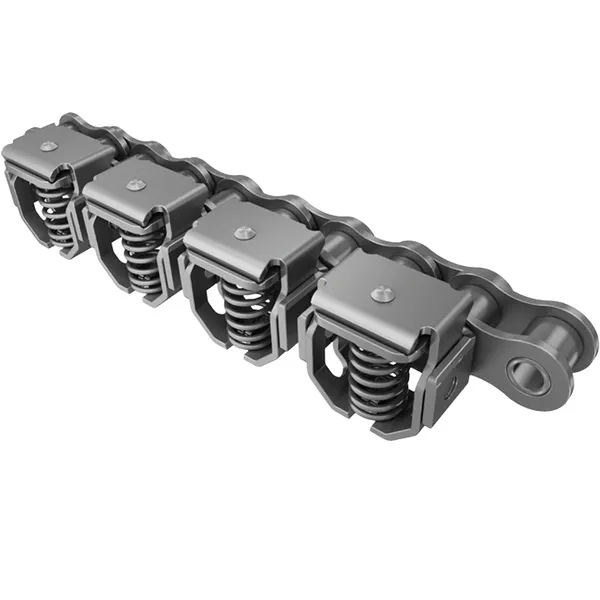
How to select the right conveyor chain for your conveyor system?
Selecting the right conveyor chain for your conveyor system is crucial to ensure optimal performance and longevity. Here are the steps to follow when choosing a conveyor chain:
- Identify your application requirements: Determine the specific requirements of your conveyor system, including the type of material being conveyed, the speed of operation, the load capacity, the environmental conditions, and any special considerations.
- Consider the chain type: Based on your application requirements, consider the different types of conveyor chains available, such as roller chains, double pitch chains, hollow pin chains, apron chains, or plastic chains. Evaluate their features and benefits to determine which type is most suitable for your needs.
- Assess the chain material: Conveyor chains are typically made from various materials such as steel, stainless steel, or plastic. Consider factors such as corrosion resistance, temperature resistance, wear resistance, and food-grade requirements when selecting the chain material.
- Determine the chain pitch: The chain pitch refers to the distance between the centers of adjacent pins. Choose the appropriate pitch size based on your conveyor system’s design, load requirements, and speed. Smaller pitch sizes provide smoother operation at higher speeds, while larger pitch sizes offer better resistance against wear and fatigue.
- Evaluate the chain strength: Consider the required tensile strength and fatigue resistance of the chain to ensure it can withstand the anticipated load and operating conditions. Factors such as chain construction, material quality, and heat treatment play a role in determining the chain’s strength.
- Consider additional features: Depending on your application, you may need additional features such as attachments, guides, or specialized coatings on the chain. Assess if any of these features are necessary to meet your specific requirements.
- Consult with experts: If you’re uncertain about the selection process or have unique application needs, it’s advisable to consult with conveyor chain manufacturers or industry experts who can provide guidance and recommendations based on their expertise.
By following these steps and carefully considering your application requirements, you can select the right conveyor chain that ensures efficient and reliable operation of your conveyor system.


editor by CX 2024-04-26