Product Description
Small Pitch Roller Chains
Type: PC 35, PC 40, PC50, PC60
Materials: POM+ stainless steel
Pitch: 6.35mm, 9.525mm, 12.7mm, 15.875mm, 19.05mm
Color: White
We are manufacturer professionally in plastic top chains, stainless steel top chains, and other conveyor components. We have abtained the quality certificate of ISO 9001: 2000, and our products have been sold to Europe, Middle East, America and many other coutries and regions.
| type | PC 35, PC 40, PC50, PC60 |
| Materials | POM+ stainless steel |
| Pitch | 6.35mm, 9.525mm, 12.7mm, 15.875mm, 19.05mm |
Small Pitch Roller Chains
Type: PC 35, PC 40, PC50, PC60
Materials: POM+ stainless steel
Pitch: 6.35mm, 9.525mm, 12.7mm, 15.875mm, 19.05mm
Color: White
Advantages: short pitch, low noise, light weight,
corrosion resistance, diamagnetic.
Plasic roller chains can be widely use for eletronic, food,medicine, chemical industry etc.
We are manufacturer professionally in plastic top chains, stainless steel top chains, and other conveyor components. We have abtained the quality certificate of ISO 9001: 2000, and our products have been sold to Europe, Middle East, America and many other coutries and regions.
Our products application:
Packaging and conveying industry
Beverage bottling and handling industry
Food and meat processing industry
Chemical industry
Pharmaceuticals industry
Automobile industry
Electrical and electronics industry
Textile industry
Light engineering industry
| Material: | Plastic |
|---|---|
| Structure: | Roller Chain |
| Surface Treatment: | No |
| Chain Size: | 12.7mm |
| Feature: | Wear Resistant |
| Structure (for Chain): | Roller Chain |
| Samples: |
US$ 1/Piece
1 Piece(Min.Order) | |
|---|
| Customization: |
Available
| Customized Request |
|---|

Can a conveyor chain be used in pharmaceutical manufacturing?
Yes, conveyor chains can be used in pharmaceutical manufacturing for various applications. Conveyor systems play a crucial role in the efficient and safe transportation of pharmaceutical products throughout the manufacturing process. Here are some key considerations when using conveyor chains in pharmaceutical manufacturing:
1. Material Selection:
– Choose conveyor chains made from materials that are suitable for pharmaceutical applications, such as stainless steel or FDA-approved plastic. These materials offer corrosion resistance, cleanliness, and compliance with industry regulations.
2. Cleanliness and Sanitation:
– Ensure that the conveyor chain design allows for easy cleaning and sanitation. Smooth surfaces, minimal crevices, and access for cleaning equipment are important to maintain a hygienic environment.
3. Contamination Control:
– Implement measures to prevent contamination of pharmaceutical products. This includes using chain lubricants that are safe for pharmaceutical applications and implementing proper handling and storage procedures.
4. Product Protection:
– Choose conveyor chain systems that minimize product damage or degradation. This can include utilizing gentle product handling features such as low-friction surfaces, adjustable speed controls, and proper product spacing.
5. Regulatory Compliance:
– Ensure that the conveyor chain system complies with pharmaceutical industry regulations and guidelines, such as Good Manufacturing Practices (GMP) and the requirements of regulatory bodies like the FDA.
6. Integration with Equipment:
– Consider the integration of conveyor chains with other equipment in the pharmaceutical manufacturing process, such as labeling machines, filling machines, and packaging equipment. The conveyor system should provide seamless operation and synchronization with these machines.
By carefully selecting and designing conveyor chains specifically for pharmaceutical manufacturing, it is possible to meet the stringent requirements of the industry in terms of cleanliness, product integrity, and regulatory compliance.
What are the benefits of using stainless steel conveyor chains?
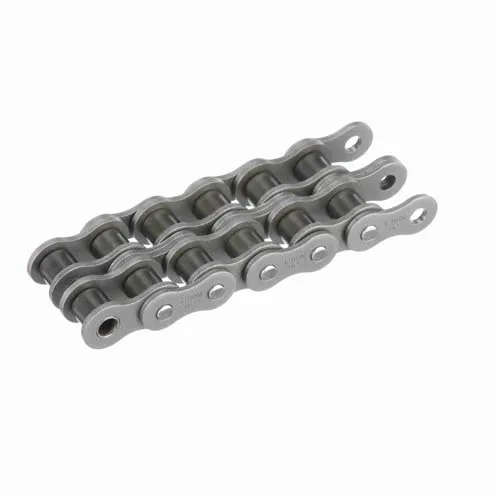
Stainless steel conveyor chains offer several advantages over other types of chains. Here are some of the key benefits:
1. Corrosion Resistance: Stainless steel is highly resistant to corrosion, making it suitable for applications in harsh environments or industries where frequent washdowns or exposure to moisture is required. It does not rust or corrode like other metals, ensuring a longer lifespan and reliable performance.
2. Strength and Durability: Stainless steel chains are known for their high strength and durability. They can withstand heavy loads, high temperatures, and abrasive materials without deformation or breakage. This makes them ideal for heavy-duty applications where reliability and longevity are crucial.
3. Hygienic and Sanitary: Stainless steel is a non-porous material that is easy to clean and maintain. It is resistant to bacteria, mold, and other contaminants, making it suitable for industries with strict hygiene requirements such as food processing, pharmaceuticals, and medical devices. Stainless steel chains can be thoroughly cleaned and sanitized, reducing the risk of product contamination.
4. Temperature Resistance: Stainless steel chains can withstand a wide range of temperatures, both high and low. They exhibit excellent heat resistance, allowing them to maintain their strength and performance even in extreme temperature conditions.
5. Aesthetic Appeal: Stainless steel chains have a sleek and polished appearance, adding a professional and aesthetic touch to the conveyor system. They are commonly used in industries where visual appeal and brand representation are important, such as retail or luxury goods.
6. Chemical Resistance: Stainless steel is resistant to various chemicals, including acids, alkalis, and solvents. This makes it suitable for applications where contact with corrosive substances is likely.
7. Compatibility with High-Speed Applications: Stainless steel chains can withstand high-speed operations without compromising their structural integrity or performance. They maintain their stability and accuracy even at elevated speeds.
Overall, stainless steel conveyor chains offer corrosion resistance, strength, durability, hygienic properties, temperature resistance, aesthetic appeal, chemical resistance, and compatibility with high-speed applications. These benefits make them a preferred choice in industries such as food and beverage, pharmaceuticals, automotive, and manufacturing, where reliability, cleanliness, and performance are essential.
How do you properly tension a conveyor chain?
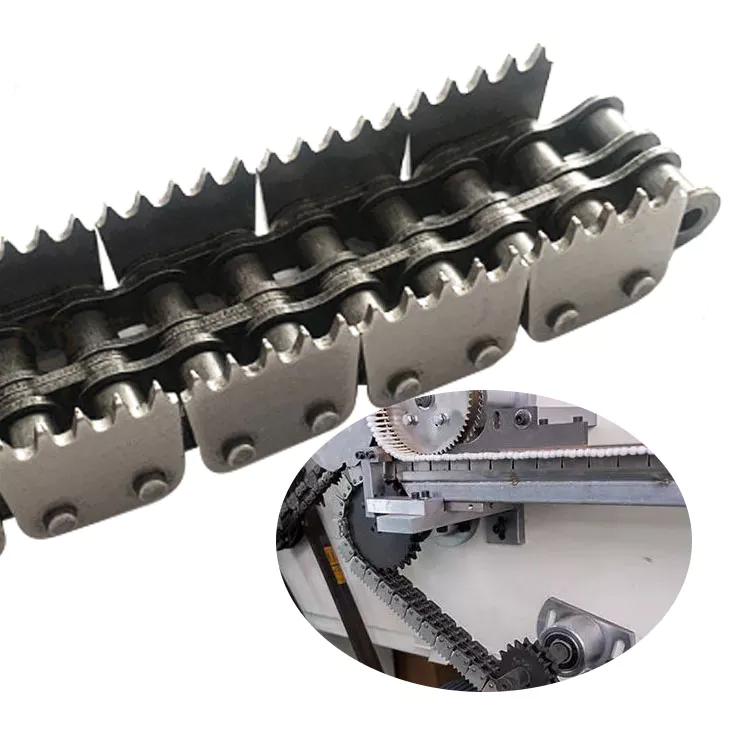
Properly tensioning a conveyor chain is crucial for its smooth operation and to prevent issues like chain slipping or excessive wear. Here are the steps to properly tension a conveyor chain:
- Identify the Tensioning Points: Determine the locations where the conveyor chain can be tensioned. These are typically at the ends of the chain or at specific tensioning devices.
- Loosen the Tensioning Devices: If there are tensioning devices in place, such as adjustable bolts or tensioning screws, loosen them to allow for adjustment.
- Apply Tension: Apply tension to the conveyor chain by either manually pulling the chain or using a tensioning tool. The amount of tension required depends on the chain type and the manufacturer’s recommendations.
- Check the Tension: Use a tension gauge or other suitable method to measure the tension of the conveyor chain. The tension should fall within the specified range provided by the chain manufacturer.
- Adjust the Tension: If the tension is too loose or too tight, make adjustments accordingly. Tighten or loosen the tensioning devices until the desired tension is achieved.
- Secure the Tensioning Devices: Once the proper tension is achieved, securely tighten the tensioning devices to hold the chain in place.
- Verify the Tension: After tensioning the chain, perform a visual inspection and run the conveyor to ensure the chain runs smoothly without excessive slack or tightness. Make any further adjustments if necessary.
It’s important to refer to the specific guidelines provided by the conveyor chain manufacturer for proper tensioning instructions, as the exact method may vary depending on the chain type and design. Regularly check the tension of the conveyor chain and make adjustments as needed to maintain optimal performance.


editor by CX 2023-10-31