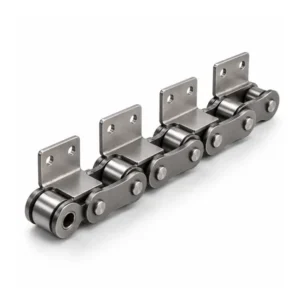
Bakery Chains with Attachments
Compare configurations, application conditions and RFQ measurements.
View Product Family
Start with the process zone and the installed chain geometry. Our main product families cover proofing, ovens, general conveying, stainless service, attachments, hollow pins, double pitch, flat-top transfer and custom replacement work.
Compare configurations, application conditions and RFQ measurements.
View Product Family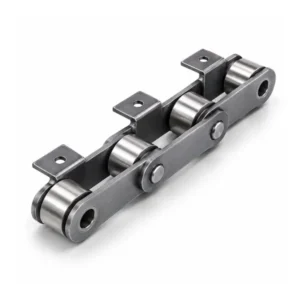
Compare configurations, application conditions and RFQ measurements.
View Product Family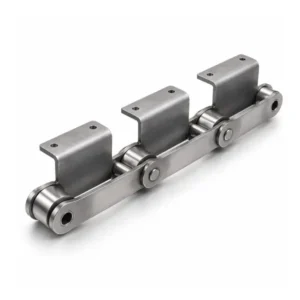
Compare configurations, application conditions and RFQ measurements.
View Product Family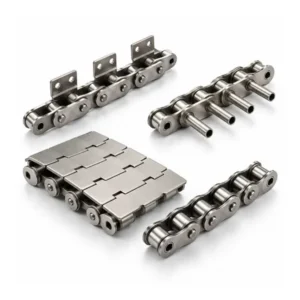
Compare configurations, application conditions and RFQ measurements.
View Product Family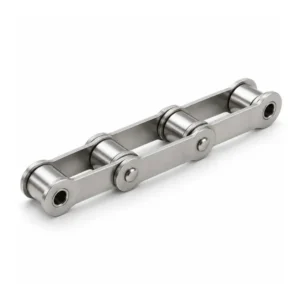
Compare configurations, application conditions and RFQ measurements.
View Product Family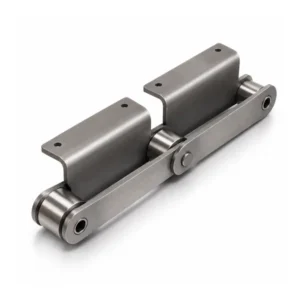
Compare configurations, application conditions and RFQ measurements.
View Product Family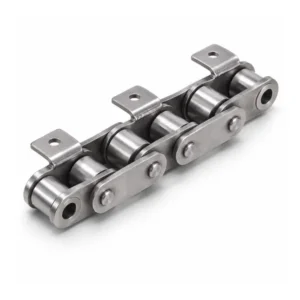
Compare configurations, application conditions and RFQ measurements.
View Product Family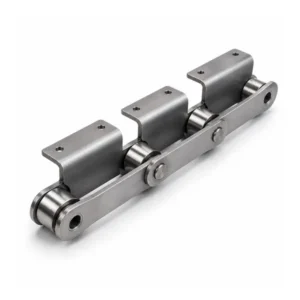
Compare configurations, application conditions and RFQ measurements.
View Product Family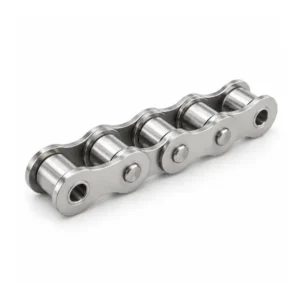
Compare configurations, application conditions and RFQ measurements.
View Product Family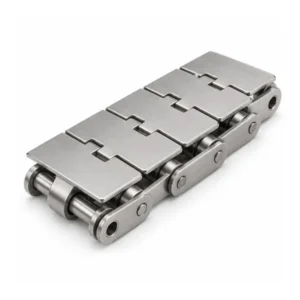
Compare configurations, application conditions and RFQ measurements.
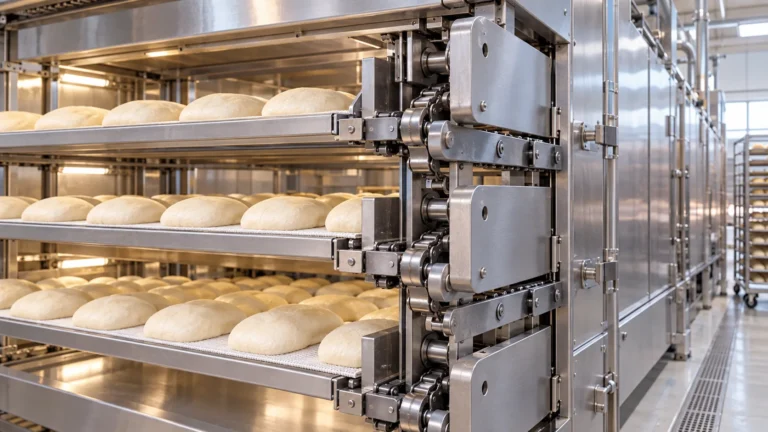
View Product FamilyAn industrial bakery can expose conveying components to very different conditions within a few metres. Proofing combines humidity and long circulation paths; baking adds heat and thermal movement; cooling requires stable transfer; pan handling adds carrier interfaces; packaging favors clean, controlled product flow.
That is why we organize the site by both product family and process. Use the application map to identify the machine zone, then move into the relevant chain construction and engineering guide.
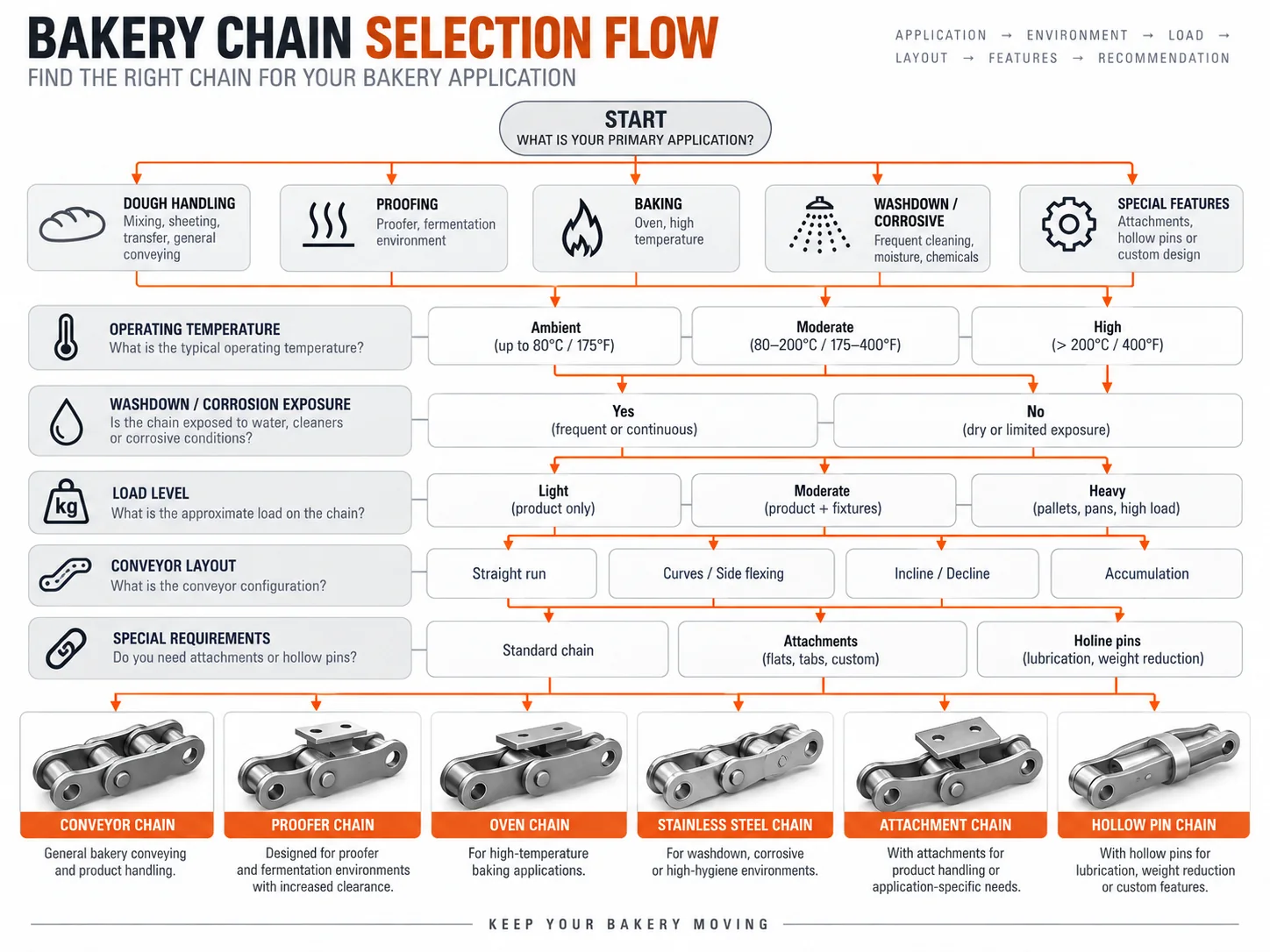
Review proofer, stainless or hollow-pin configurations where moisture and carrier interfaces matter.
Review oven and extra-clearance constructions with the actual temperature cycle and sprocket layout.
Review stainless options together with cleaning chemistry, drainage and lubrication constraints.
Review attachments, extended pins or hollow pins using the pan support drawing and repeated interval.
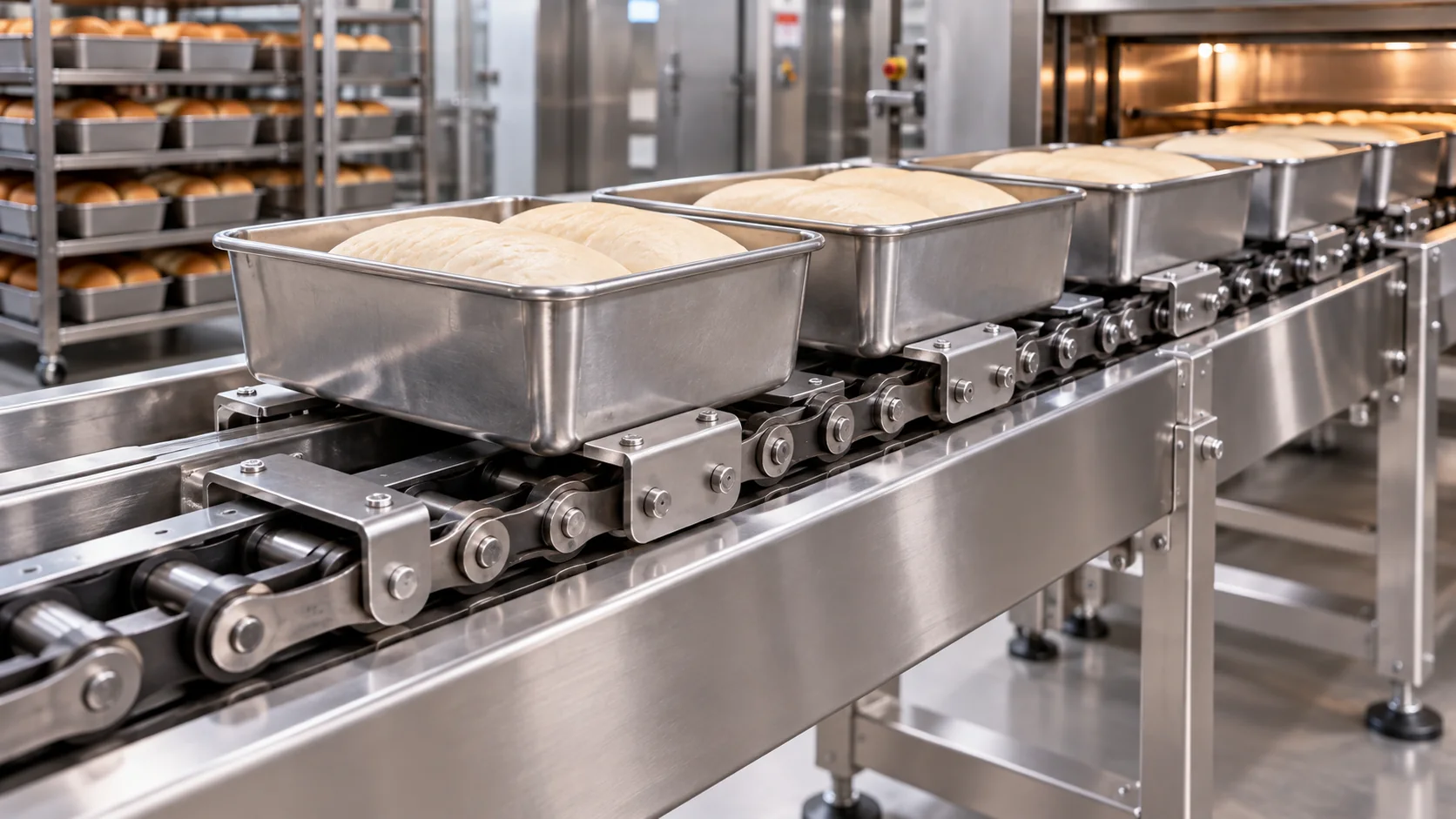
Plan the chain around the machine task rather than a generic food-industry label. Our application pages cover proofing, tunnel ovens, bread and bun lines, biscuits and crackers, pastry, pizza, cooling, pan handling and packaging transfer.
Explore bakery chain applications to prepare the duty information that should accompany your RFQ.
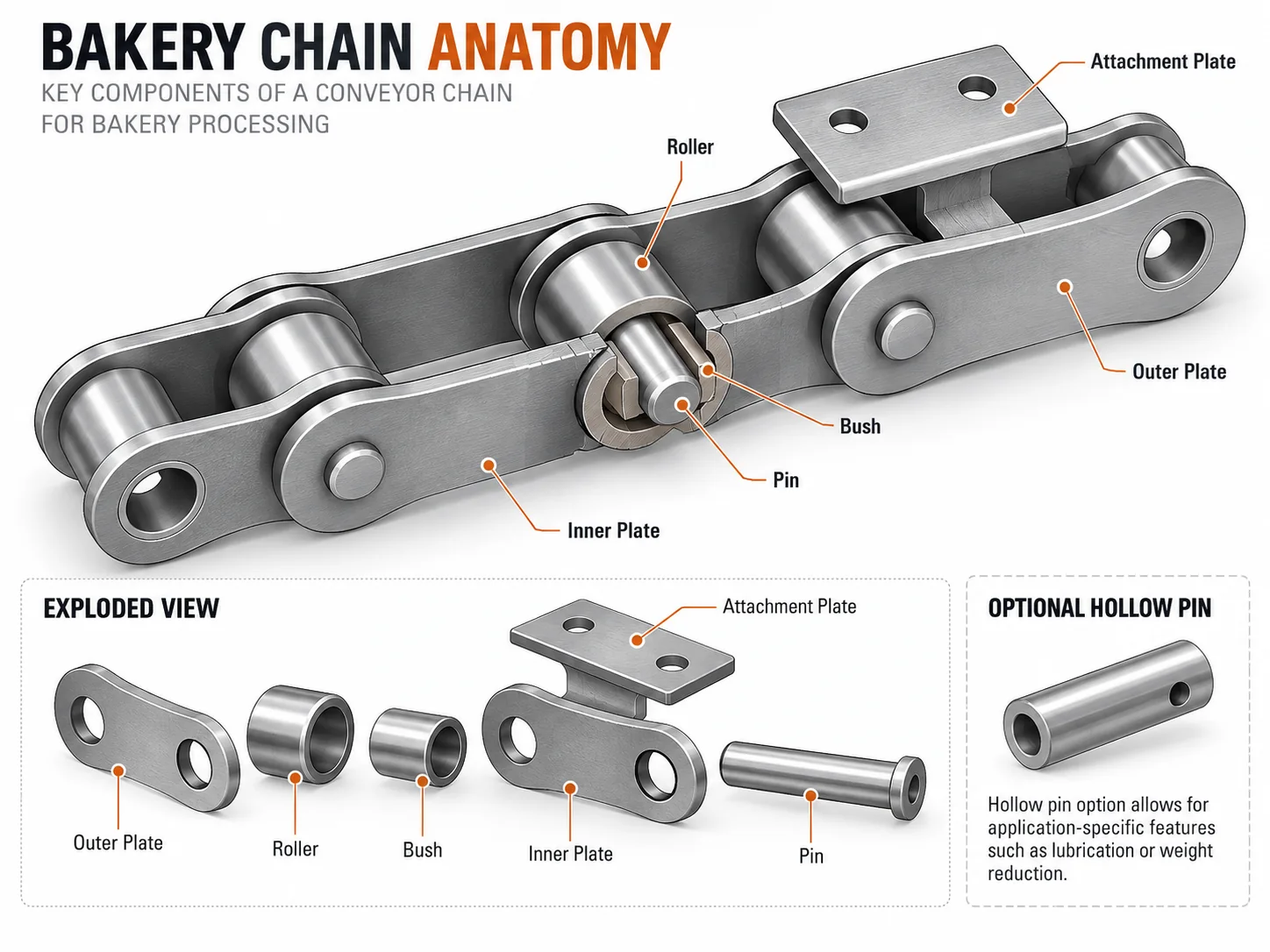
Start with the application and environment, then record geometry, load, layout and special interfaces. That sequence makes the RFQ easier to review and reduces the chance of choosing a chain only because the product name sounds familiar.
Pins, bushes, rollers, plates and attachment components are prepared to the selected construction and drawing.
Chain articulation, component orientation and attachment interval are checked during assembly.
Key dimensions controlling fit and interchangeability are checked against the approved drawing.
Product-specific inspection, material or compliance records can be discussed according to order requirements.
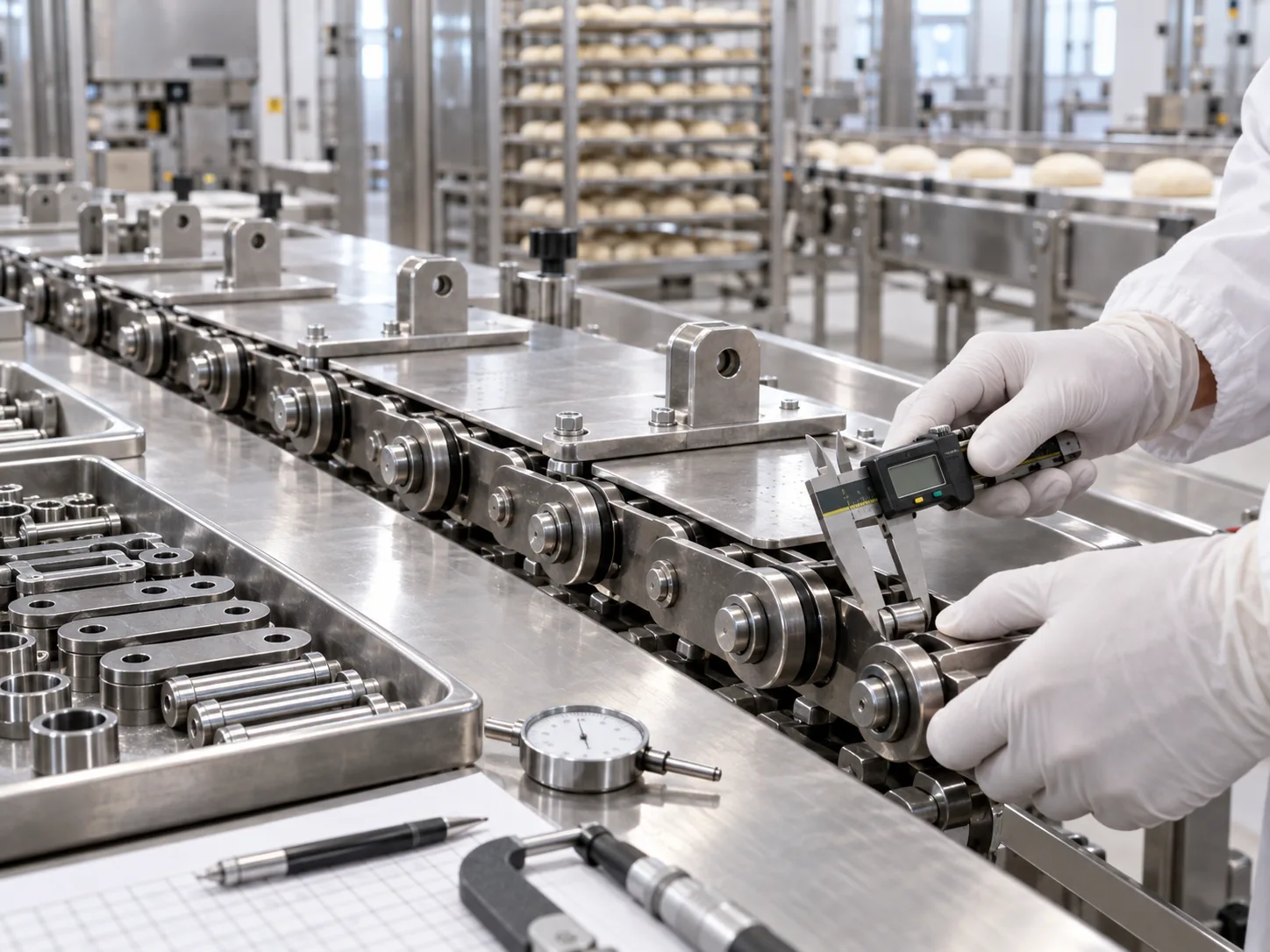
Use our engineering library when you need to measure a replacement chain, compare proofer and oven duty, choose an attachment, review hollow pins, or check chain and sprocket compatibility.
Open the bakery chain engineering guides.
Use this guide to prepare engineering information before the RFQ.
Use this guide to prepare engineering information before the RFQ.
Use this guide to prepare engineering information before the RFQ.
MOQ: evaluated by product type, manufacturing batch and order value. Standard catalogue items generally use quantity-based production minimums, while large or high-value items can be reviewed by project value.
Samples: new customers may request 1–5 pieces when the selected chain type and manufacturing route are suitable. Sample pricing and feasibility are confirmed before production.
Mixed orders: multiple models may be combined toward an order value of approximately USD 1,500, subject to process compatibility and packing requirements.
Very small quantities: 1–2 pieces are considered only for approved sample, replacement or engineering cases; routine retail orders are not accepted, and special handling can result in a higher unit cost.
Lead time: standard items typically 10–25 working days; custom components 20–45; project-based equipment or complex packages 45–120, after drawing and order confirmation.
Trade terms: EXW, FOB, CIF and DAP are commonly supported. FCA, CFR, CPT, CIP and DDP can be discussed for the destination and shipment plan.
Third-party supplier audit and company verification supported by SGS and TÜV Rheinland are available to help buyers review company identity, business operations, supplier profile and general manufacturing capability. Product-specific inspection reports, material documents or compliance records can be provided according to order requirements and the confirmed product scope.
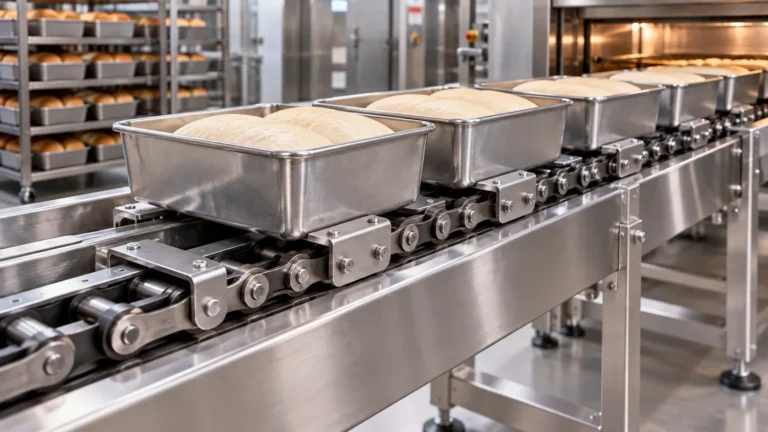
Bakery Chain Technical GuideInformation to Send When Requesting a Replacement ChainInformation to Send When Requesting a Replacement Chain is best answered by combining measured chain geometry, machine duty…
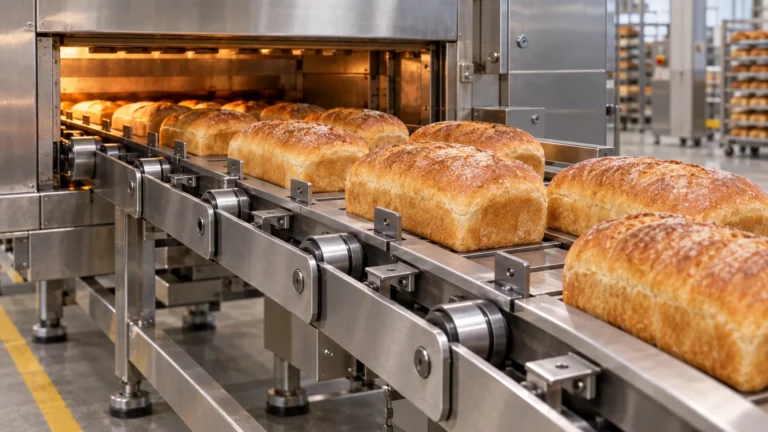
Bakery Chain Technical GuideWhen to Replace Chain and Sprockets TogetherWhen to Replace Chain and Sprockets Together is best answered by combining measured chain geometry, machine duty and the…
Bakery Chain Technical GuideHow Chain Alignment Affects Bakery Conveyor LifeHow Chain Alignment Affects Bakery Conveyor Life is best answered by combining measured chain geometry, machine duty and the…