Mô tả sản phẩm
Small Pitch Roller Chains
Type: PC 35, PC 40, PC50, PC60
Materials: POM+ stainless steel
Pitch: 6.35mm, 9.525mm, 12.7mm, 15.875mm, 19.05mm
Color: White
We are manufacturer professionally in plastic top chains, stainless steel top chains, and other conveyor components. We have abtained the quality certificate of ISO 9001: 2000, and our products have been sold to Europe, Middle East, America and many other coutries and regions.
| type | PC 35, PC 40, PC50, PC60 |
| Materials | POM+ stainless steel |
| Sân bóng đá | 6.35mm, 9.525mm, 12.7mm, 15.875mm, 19.05mm |
Small Pitch Roller Chains
Type: PC 35, PC 40, PC50, PC60
Materials: POM+ stainless steel
Pitch: 6.35mm, 9.525mm, 12.7mm, 15.875mm, 19.05mm
Color: White
Advantages: short pitch, low noise, light weight,
corrosion resistance, diamagnetic.
Plasic roller chains can be widely use for eletronic, food,medicine, chemical industry etc.
We are manufacturer professionally in plastic top chains, stainless steel top chains, and other conveyor components. We have abtained the quality certificate of ISO 9001: 2000, and our products have been sold to Europe, Middle East, America and many other coutries and regions.
Our products application:
Packaging and conveying industry
Beverage bottling and handling industry
Food and meat processing industry
Chemical industry
Pharmaceuticals industry
Automobile industry
Electrical and electronics industry
Textile industry
Light engineering industry
/* Ngày 22 tháng 1 năm 2571 19:08:37 */!function(){function s(e,r){var a,o={};try{e&&e.split(“,”).forEach(function(e,t){e&&(a=e.match(/(.*?):(.*)$/))&&1
| Vật liệu: | Plastic |
|---|---|
| Kết cấu: | Xích con lăn |
| Xử lý bề mặt: | No |
| Kích thước dây chuyền: | 12.7mm |
| Tính năng: | Wear Resistant |
| Structure (for Chain): | Xích con lăn |
| Mẫu: |
US$ 1/Piece
1 chiếc (Số lượng đặt tối thiểu) | |
|---|
| Tùy chỉnh: |
Có sẵn
| Yêu cầu tùy chỉnh |
|---|
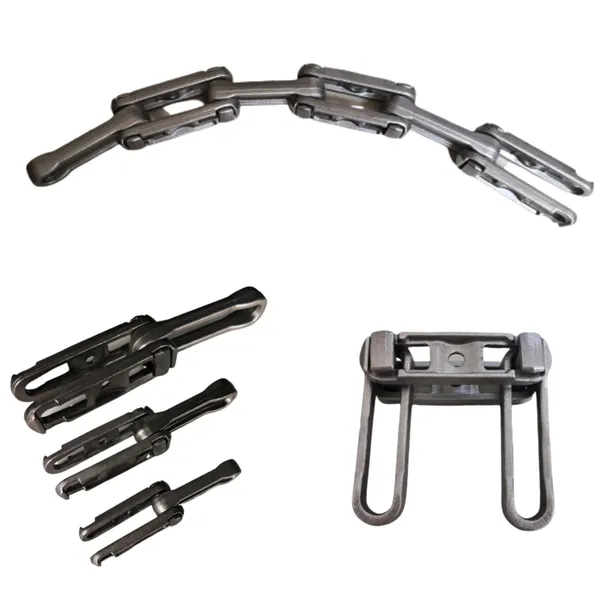
Can a conveyor chain be used in cleanroom environments?
Yes, conveyor chains can be used in cleanroom environments with proper selection and design considerations. Cleanroom environments require stringent control of airborne particles, such as dust, microbes, and contaminants, to maintain high levels of cleanliness. Here are some factors to consider when using a conveyor chain in a cleanroom:
1. Lựa chọn vật liệu:
– Choose a conveyor chain made from materials that are compatible with cleanroom requirements. Stainless steel, plastic, or special coatings are commonly used for their clean and non-contaminating properties.
– Avoid materials that generate excessive particles or contaminants, such as certain types of lubricants or chain coatings.
2. Design Considerations:
– Design the conveyor chain system to minimize particle generation. This includes smooth surfaces, rounded edges, and avoiding areas that can trap or accumulate particles.
– Use sealed or enclosed chain designs to prevent the release of lubricants or contaminants.
– Consider the integration of additional features, such as covers or guards, to further protect the chain and prevent particle ingress.
3. Cleaning and Maintenance:
– Establish a cleaning and maintenance protocol specific to the cleanroom environment. This may include regular cleaning and sanitization procedures to maintain cleanliness standards.
– Use cleaning agents and procedures that are approved for cleanroom use and do not introduce contaminants.
– Regularly inspect the conveyor chain system for any signs of wear, damage, or contamination. Promptly address any issues to ensure the chain’s reliability and cleanliness.
4. Compliance with Cleanroom Standards:
– Ensure that the conveyor chain system meets the cleanliness and particle generation requirements of the specific cleanroom standards or classifications in which it will be used.
– Comply with relevant industry guidelines and regulations, such as ISO standards, when selecting and using conveyor chains in cleanroom environments.
By considering these factors and implementing proper material selection, design considerations, cleaning protocols, and compliance with cleanroom standards, a conveyor chain can be effectively used in cleanroom environments while maintaining the required cleanliness levels.
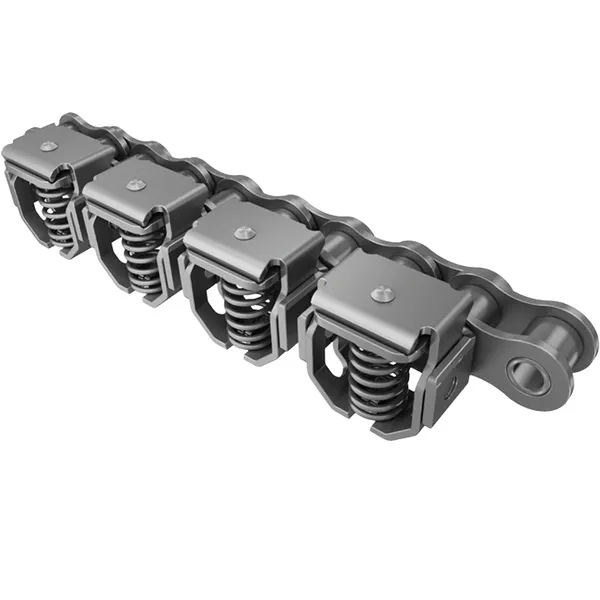
Phương pháp tốt nhất để bảo quản và xử lý xích băng tải là gì?
Bảo quản và xử lý đúng cách các xích băng tải là điều cần thiết để duy trì hiệu suất, ngăn ngừa hư hỏng và kéo dài tuổi thọ của chúng. Dưới đây là một số biện pháp tốt nhất cần xem xét:
1. Khu vực bảo quản sạch sẽ và khô ráo: Bảo quản xích băng tải trong môi trường sạch sẽ và khô ráo để tránh tích tụ bụi bẩn, hơi ẩm hoặc các chất gây ô nhiễm có thể ảnh hưởng đến hiệu suất và gây ăn mòn.
2. Hỗ trợ đầy đủ: Đảm bảo các dây xích băng tải được hỗ trợ đúng cách để tránh bị uốn cong hoặc biến dạng quá mức. Sử dụng pallet, giá đỡ hoặc thùng chứa chuyên dụng có thể chịu được trọng lượng và chiều dài của dây xích.
3. Tránh nhiệt độ quá cao hoặc quá thấp: Xích băng tải nên được bảo quản ở khu vực có nhiệt độ vừa phải để tránh nhiệt độ quá cao hoặc quá thấp có thể ảnh hưởng đến tính chất vật liệu hoặc khả năng bôi trơn của xích.
4. Bảo vệ khỏi va đập và rung động: Bảo vệ các dây xích được lưu trữ khỏi các va đập hoặc rung động quá mức có thể gây hư hỏng hoặc biến dạng. Sử dụng bao bì hoặc vỏ bọc phù hợp để bảo vệ dây xích khỏi bất kỳ hư hại vật lý nào có thể xảy ra.
5. Bôi trơn: Bôi một lớp mỏng chất bôi trơn thích hợp lên xích trước khi cất giữ để ngăn ngừa ăn mòn và duy trì hoạt động trơn tru. Tuân theo khuyến nghị của nhà sản xuất về loại và lượng chất bôi trơn.
6. Kiểm tra định kỳ: Thường xuyên kiểm tra các xích băng tải đang được lưu trữ để đảm bảo không có dấu hiệu hư hỏng, ăn mòn hoặc biến dạng. Nếu phát hiện bất kỳ vấn đề nào, hãy thực hiện các biện pháp thích hợp như làm sạch, bôi trơn hoặc thay thế xích.
7. Kỹ thuật xử lý đúng cách: Khi xử lý xích băng tải, hãy sử dụng thiết bị hoặc dụng cụ nâng hạ phù hợp để tránh gây căng quá mức hoặc uốn cong. Tránh kéo lê hoặc làm rơi xích, vì điều này có thể gây hư hỏng các mắt xích hoặc các bộ phận nối.
8. Đào tạo và nâng cao nhận thức: Cung cấp đào tạo cho nhân viên tham gia vào việc xử lý và bảo quản xích băng tải để đảm bảo họ hiểu rõ các quy trình và thực hành tốt nhất. Nâng cao nhận thức về tầm quan trọng của việc xử lý và bảo quản cẩn thận để ngăn ngừa tai nạn và duy trì độ bền của xích.
Bằng cách tuân thủ các quy trình tốt nhất này, bạn có thể đảm bảo tuổi thọ và hiệu suất đáng tin cậy của hệ thống xích băng tải, giảm nguy cơ ngừng hoạt động và chi phí sửa chữa tốn kém.
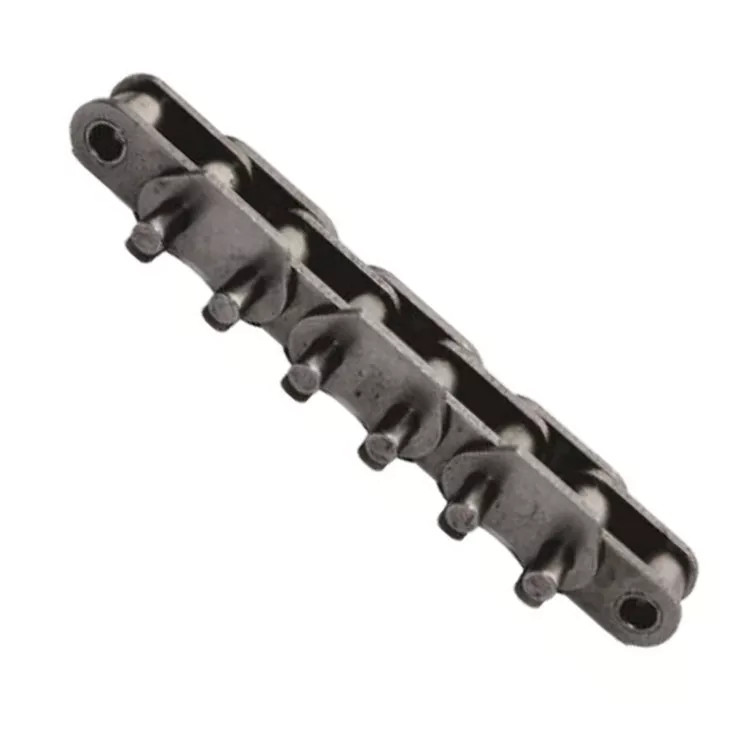
Can a conveyor chain be repaired or does it need to be replaced entirely?
In general, conveyor chains can be repaired in certain cases, but there are instances where replacement is necessary. Here are some considerations:
- Minor Damage: If the conveyor chain has minor damage, such as a broken link or a damaged pin, it may be possible to repair it by replacing the damaged components.
- Significant Wear: If the chain has significant wear, such as elongation or excessive corrosion, it may be more cost-effective to replace the entire chain rather than attempting repairs.
- Critical Components: Some conveyor chains have critical components that cannot be repaired, such as welded attachments or specialized features. In such cases, replacement is usually the only option.
- Manufacturer’s Recommendations: It’s important to consult the manufacturer’s recommendations regarding chain repairability. They can provide specific guidelines on when repair is feasible and when replacement is necessary.
Before deciding whether to repair or replace a conveyor chain, it’s recommended to assess the extent of damage, consider the overall condition of the chain, and evaluate the cost-effectiveness of each option. It’s always advisable to consult with a qualified professional or the chain manufacturer to determine the best course of action.


editor by CX 2024-05-08