คำอธิบายผลิตภัณฑ์
WH82 Welded Steel Chain ( For Steel Factory)
We own the sophisticated equipment and the advanced technology, such as:
1. CAD Designer
2. Wire Cutting Machine
3. Chain Running In Machine
4. Conveyor Furance
5. Ball Drift
6. Shot Peened Parts
7. Design Of Link Plate Waist
We have different models of welding chains, such as:
| Chain No
|
ขว้าง
(mm) |
Outside Barrel Dia
(mm) |
Pin Dia
(mm) |
Side Bar Height
(mm) |
Approx Tooth Face at pitch line
(mm) |
Length of Bearing
(mm) |
Plate Thickness
(mm) |
Ultimate tensile strength
(KN) |
Weight Approx
(Kg/FT) |
|
| WH82 | 78.1 | 26.97 | 14.35 | 31.8 | 38.1 | 57.4 | 6.4 | 132 | 2.28 |
|
We own the sophisticated equipment and the advanced technology, such as:
1. CAD Designer
2. Wire Cutting Machine
3. Chain Running In Machine
4. Conveyor Furance
5. Ball Drift
6. Shot Peened Parts
7. Design Of Link Plate Waist
Company Detail:
GOODUCK(TAI) is 1 of a professional exporter with exporting POWER TRANSMISSION PARTS: Roller chains,Conveyor chains,Stainless steel Chains, agricultural chains, steel detachable chains, special chains, sprockets, s. S. Sprockets, HRC couplings, pulleys, bushes etc. All these products have been supplied regularly to World Wide for over 15 years.
Welcome contact for more details.
Sofia Chen(Sales Manager)
HangZhou GOODLUCK TRANSMISSION TECHNOLOGY CO.,LTD
/* 22 มกราคม 2571 19:08:37 */!function(){function s(e,r){var a,o={};try{e&&e.split(“,”).forEach(function(e,t){e&&(a=e.match(/(.*?):(.*)$/))&&1
| วัสดุ: | Steel |
|---|---|
| โครงสร้าง: | Welded Chain |
| การเตรียมพื้นผิว: | การขัดเงา |
| การปรับแต่ง: |
มีอยู่
| คำขอที่กำหนดเอง |
|---|
.shipping-cost-tm .tm-status-off{background: none;padding:0;color: #1470cc}
|
Shipping Cost:
Estimated freight per unit. |
about shipping cost and estimated delivery time. |
|---|
| Payment Method: |
|
|---|---|
|
Initial Payment Full Payment |
| Currency: | US$ |
|---|
| Return&refunds: | You can apply for a refund up to 30 days after receipt of the products. |
|---|

How do you ensure proper tensioning and alignment of a conveyor chain?
Proper tensioning and alignment are essential for the efficient and reliable operation of a conveyor chain. Here are the steps to ensure correct tensioning and alignment:
1. Initial Installation:
– Ensure that the conveyor frame and supports are properly aligned and leveled before installing the chain. Any misalignment or unevenness can lead to tensioning and alignment issues.
– Follow the manufacturer’s guidelines and specifications for chain installation. This includes proper placement of sprockets, tensioners, and guides.
2. Tensioning:
– Adjust the tension of the chain to the manufacturer’s recommended specifications. Proper tension prevents excessive sagging or tightness, reducing wear and extending the chain’s life.
– Use tensioning devices, such as adjustable take-up units or tensioning screws, to achieve the desired tension. Refer to the manufacturer’s guidelines for the appropriate method of tensioning for your specific conveyor chain.
– Regularly check and adjust the tension as needed. Factors such as chain wear, load variations, and temperature changes can affect the chain’s tension over time.
3. Alignment:
– Check the alignment of the chain with respect to the sprockets and guides. Misalignment can cause uneven wear, increased friction, and premature failure of the chain.
– Inspect the alignment by visually examining the chain’s path along the sprockets and guides. It should run smoothly without any signs of rubbing or excessive deviation.
– Use alignment tools, such as laser alignment devices or straightedges, to accurately assess and correct any misalignment. Adjust the position of sprockets, guides, and supports as necessary.
4. Regular Maintenance:
– Implement a scheduled maintenance program to regularly inspect and maintain proper tensioning and alignment of the conveyor chain.
– Monitor the chain’s performance, including wear patterns, noise levels, and power consumption, as indicators of potential tensioning or alignment issues.
– Keep the chain clean and free from debris or contaminants that can affect its movement and alignment.
By following these steps and regularly monitoring the tensioning and alignment of the conveyor chain, you can ensure smooth and reliable operation, minimize chain wear, and reduce the risk of unexpected failures.

Can a conveyor chain be used for heavy-duty applications?
Yes, a conveyor chain can be used for heavy-duty applications. Conveyor chains are specifically designed to handle heavy loads and provide reliable transportation in industrial environments.
Here are some factors that make conveyor chains suitable for heavy-duty applications:
1. Robust construction: Conveyor chains are typically made from high-strength materials such as alloy steel, stainless steel, or hardened carbon steel. These materials offer excellent durability and can withstand the heavy loads and harsh operating conditions commonly found in heavy-duty applications.
2. High load-carrying capacity: Conveyor chains are designed to handle significant loads, including heavy products, bulk materials, or large components. The chains are engineered with appropriate pitch, link dimensions, and strength to ensure reliable transport of heavy items.
3. Fatigue resistance: Conveyor chains are built to withstand repetitive stress and fatigue caused by continuous operation under heavy loads. They undergo specific heat treatments and surface hardening processes to enhance their resistance to wear, fatigue, and deformation.
4. Customization options: Conveyor chains can be customized to meet the specific requirements of heavy-duty applications. This includes selecting the appropriate chain type, pitch, attachment design, and surface coating for improved performance and longevity.
5. Compatibility with heavy-duty equipment: Conveyor chains are designed to integrate seamlessly with heavy-duty conveyor systems, including large motors, drives, and supporting structures. This ensures proper power transmission and smooth operation even in demanding environments.
6. Safety features: Conveyor chains for heavy-duty applications often incorporate safety features such as overload protection, emergency stops, and monitoring systems to ensure the safety of operators and prevent damage to the equipment.
It’s important to consult with a qualified engineer or conveyor manufacturer to select the appropriate conveyor chain and system components for the specific heavy-duty application. They can provide guidance on chain selection, system design, and maintenance practices to ensure optimal performance and reliability.
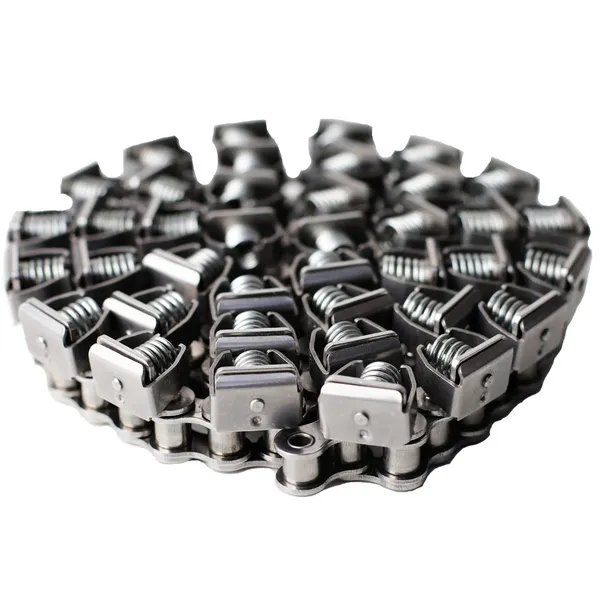
สายพานลำเลียงคืออะไร และทำงานอย่างไร?
โซ่ลำเลียงเป็นโซ่เชิงกลชนิดหนึ่งที่ออกแบบมาโดยเฉพาะสำหรับใช้ในระบบลำเลียง ประกอบด้วยข้อต่อที่เชื่อมต่อกันเป็นวงต่อเนื่อง โดยทั่วไปข้อต่อจะทำจากโลหะและเชื่อมต่อกันด้วยหมุดหรือองค์ประกอบเชื่อมต่ออื่นๆ
สายพานลำเลียงทำงานโดยการถ่ายทอดกำลังและการเคลื่อนที่จากกลไกขับเคลื่อน เช่น มอเตอร์หรือเฟือง ไปยังระบบสายพานลำเลียงเพื่อเคลื่อนย้ายวัสดุหรือผลิตภัณฑ์ไปตามเส้นทางที่กำหนดไว้ล่วงหน้า โซ่จะวางอยู่บนรางหรือรางนำทาง และขณะที่เคลื่อนที่ก็จะรับน้ำหนักที่วางอยู่บนนั้น
การทำงานของสายพานลำเลียงประกอบด้วยขั้นตอนดังต่อไปนี้:
- การส่งกำลัง:
กลไกขับเคลื่อนจะส่งกำลังการหมุนไปยังโซ่ลำเลียง โดยทั่วไปผ่านมอเตอร์และเฟือง มอเตอร์จะให้แรงบิดที่จำเป็นในการขับเคลื่อนโซ่
- แรงดึงและการเคลื่อนที่:
เมื่อกลไกขับเคลื่อนหมุนเฟือง เฟืองเหล่านั้นจะไปเกี่ยวเข้ากับข้อต่อของโซ่ลำเลียง การปฏิสัมพันธ์นี้ก่อให้เกิดแรงดึง ทำให้โซ่เคลื่อนที่ไปตามเส้นทางที่ต้องการ
- การบรรทุก:
นำสิ่งของที่จะขนส่งวางบนสายพานลำเลียง สิ่งของนั้นอาจอยู่ในรูปของผลิตภัณฑ์ วัสดุ หรือสิ่งของอื่นๆ ขณะที่สายพานลำเลียงเคลื่อนที่ มันจะพาสิ่งของนั้นไปตามระบบสายพาน ทำให้การขนส่งหรือการขนย้ายมีประสิทธิภาพ
- การสนับสนุนและคำแนะนำ:
โซ่ลำเลียงได้รับการรองรับและนำทางโดยส่วนประกอบต่างๆ เช่น รางนำทาง ลูกกลิ้ง หรือแถบกันสึก ส่วนประกอบเหล่านี้ช่วยให้มั่นใจได้ว่าโซ่จะอยู่ในแนวที่ถูกต้องและเคลื่อนที่ได้อย่างราบรื่นไปตามระบบลำเลียง
สายพานลำเลียงเป็นอุปกรณ์ที่ใช้กันทั่วไปในอุตสาหกรรมต่างๆ เช่น การผลิต โลจิสติกส์ บรรจุภัณฑ์ และการขนถ่ายวัสดุ โดยเป็นวิธีการเคลื่อนย้ายผลิตภัณฑ์หรือวัสดุที่มีความน่าเชื่อถือและมีประสิทธิภาพ ในลักษณะที่ควบคุมได้และเป็นระบบอัตโนมัติ


editor by CX 2024-04-10