คำอธิบายผลิตภัณฑ์
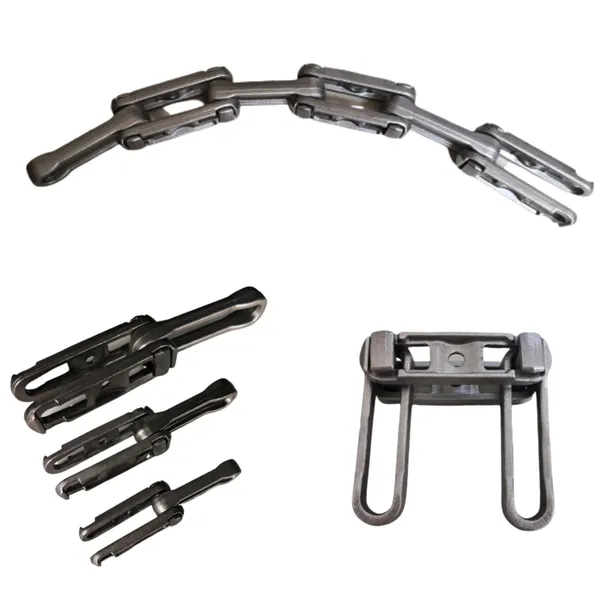
| Item | Leaf Chains | Application | Machinery Parts |
| Surface Teatment | Self-color/Sand-blasted/Shot-peening | Brand | OEM |
| Package | Poly bag, then box, finally poly-wooden case | Port | Any sea port or airport in China |
| ขนาด | LH: LH0822,LH0823,LH571,LH0844,LH0846,LH0866,LH 0571 ,LH1571,LH1571,LH1034,LH1044, LH1046,LH1066,LH1088,LH1222,LH1223,LH1234,LH1244,LH1246,LH1266,LH1288,LH1622, LH1623,LH1634,LH1644,LH1646,LH1666,LH1688,LH2571,LH2571,LH2034,LH2044,LH2046, LH2066,LH2088,LH2422,LH2423,LH2434,LH2444,LH2446,LH2466,LH2488,LH2822,LH2823, LH2834,LH2844,LH2846,LH2866,LH2888,LH3222,LH3223,LH3234,LH3244,LH3246,LH3266, LH3288,LH4571,LH4571,LH4034,LH4044,LH4046,LH4066,LH4088 BL: BL422,BL423,BL434,BL444,BL446,BL488,BL522,BL523,BL534,BL544,BL546,BL566,BL588, BL622,BL623,BL634,BL644,BL646,BL688,BL822,BL823,BL834,BL844,BL846,BL866,BL888, BL1571,BL1571,BL1034,BL1044,BL1046,BL1088,BL1222,BL1223,BL1234,BL1244,BL1246, BL1266,BL1288,BL1422,BL1423,BL1434,BL1444,BL1446,BL1488,BL1622,BL1623,BL1634, BL1644,BL1646,BL1666,BL1888,BL2571,BL2571,BL2034,BL2044,BL2046,BL2088 LL: LL0622,LL0644,LL0666,LL0822,LL0844,LL0866,LL 0571 ,LL1571,LL1044,LL1066,LL1088,LL1222 LL1244,LL1266,LL1288,LL1622,LL1644,LL1666,LL1688,LL2571,LL2044,LL2066,LL2088,LL2422 LL2444,LL2466,LL2488,LL2822,LL2844,LL2866,LL2888,LL3222,LL3244,LL3266,LL3288,LL4571 LL4044,LL4066,LL4088,LL4822,LL4844,LL4866,LL4888 AL: AL322,AL344,AL422,AL444,AL466,AL522,AL534,AL544,AL566,AL622,AL644,AL666,AL688 AL822,AL844,AL866,AL888,AL1571,AL1044,AL1066,AL1088,AL1222,AL1244,AL1266,AL1288, AL1444,AL1466,AL1644,AL1666,AL1688 FL: FL644,FL666,FL688,FL523,FL844,FL922,FL944,FL945,FL956,FL966,FL988 |
||
| วัสดุ: | Iron |
|---|---|
| โครงสร้าง: | Leaf Chain |
| การเตรียมพื้นผิว: | การขัดเงา |
| ขนาดสร้อย: | P9.525-P76.20 |
| คุณสมบัติ: | ทนไฟ ทนน้ำมัน ทนความร้อน |
| บรรจุภัณฑ์สำหรับการขนส่ง: | Poly Bag, Box, Poly-Wooden Case |
| ตัวอย่าง: |
US$ 10/Several Links
1 Several Links(Min.Order) | |
|---|
| การปรับแต่ง: |
มีอยู่
| คำขอที่กำหนดเอง |
|---|

สามารถนำสายพานลำเลียงมาใช้ในกระบวนการผลิตยาได้หรือไม่?
ใช่แล้ว สายพานลำเลียงสามารถนำมาใช้ในการผลิตยาได้ในหลากหลายการใช้งาน ระบบสายพานลำเลียงมีบทบาทสำคัญในการขนส่งผลิตภัณฑ์ยาอย่างมีประสิทธิภาพและปลอดภัยตลอดกระบวนการผลิต ต่อไปนี้คือข้อควรพิจารณาที่สำคัญบางประการเมื่อใช้สายพานลำเลียงในการผลิตยา:
1. การเลือกวัสดุ:
– เลือกใช้โซ่ลำเลียงที่ทำจากวัสดุที่เหมาะสมสำหรับการใช้งานในอุตสาหกรรมยา เช่น สแตนเลส หรือพลาสติกที่ได้รับการรับรองจาก FDA วัสดุเหล่านี้มีคุณสมบัติทนทานต่อการกัดกร่อน สะอาด และเป็นไปตามข้อกำหนดของอุตสาหกรรม
2. ความสะอาดและสุขอนามัย:
– ตรวจสอบให้แน่ใจว่าการออกแบบสายพานลำเลียงเอื้อต่อการทำความสะอาดและฆ่าเชื้อได้ง่าย พื้นผิวเรียบ ร่องลึกน้อยที่สุด และการเข้าถึงอุปกรณ์ทำความสะอาดได้สะดวก เป็นสิ่งสำคัญในการรักษาสภาพแวดล้อมที่ถูกสุขอนามัย
3. การควบคุมการปนเปื้อน:
– ดำเนินมาตรการเพื่อป้องกันการปนเปื้อนของผลิตภัณฑ์ยา ซึ่งรวมถึงการใช้สารหล่อลื่นโซ่ที่ปลอดภัยสำหรับการใช้งานในอุตสาหกรรมยา และการปฏิบัติตามขั้นตอนการจัดการและการจัดเก็บที่เหมาะสม
4. การปกป้องผลิตภัณฑ์:
– เลือกใช้ระบบสายพานลำเลียงที่ช่วยลดความเสียหายหรือการเสื่อมสภาพของผลิตภัณฑ์ให้น้อยที่สุด ซึ่งอาจรวมถึงการใช้คุณสมบัติการจัดการผลิตภัณฑ์ที่อ่อนโยน เช่น พื้นผิวที่มีแรงเสียดทานต่ำ การควบคุมความเร็วที่ปรับได้ และระยะห่างของผลิตภัณฑ์ที่เหมาะสม
5. การปฏิบัติตามกฎระเบียบ:
– ตรวจสอบให้แน่ใจว่าระบบสายพานลำเลียงเป็นไปตามกฎระเบียบและแนวทางปฏิบัติของอุตสาหกรรมยา เช่น หลักปฏิบัติที่ดีในการผลิต (GMP) และข้อกำหนดของหน่วยงานกำกับดูแล เช่น องค์การอาหารและยา (FDA)
6. การเชื่อมต่อกับอุปกรณ์:
– พิจารณาการบูรณาการระบบสายพานลำเลียงเข้ากับอุปกรณ์อื่นๆ ในกระบวนการผลิตยา เช่น เครื่องติดฉลาก เครื่องบรรจุ และอุปกรณ์บรรจุภัณฑ์ ระบบสายพานลำเลียงควรทำงานได้อย่างราบรื่นและประสานกับเครื่องจักรเหล่านี้
ด้วยการคัดเลือกและออกแบบสายพานลำเลียงอย่างพิถีพิถันโดยเฉพาะสำหรับการผลิตยา จึงสามารถตอบสนองความต้องการที่เข้มงวดของอุตสาหกรรมในด้านความสะอาด ความสมบูรณ์ของผลิตภัณฑ์ และการปฏิบัติตามกฎระเบียบได้
How does lubrication affect the performance of a conveyor chain?
Lubrication plays a crucial role in the performance and longevity of a conveyor chain. Proper lubrication helps to reduce friction, wear, and heat generation, ensuring smooth operation and minimizing the risk of premature failure. Here’s how lubrication affects the performance of a conveyor chain:
1. Friction Reduction: Lubrication forms a thin film between the chain components, reducing friction between metal surfaces. This reduces the energy required for operation, minimizes heat generation, and prevents excessive wear and tear.
2. Wear Prevention: Lubrication forms a protective layer on the chain components, preventing direct metal-to-metal contact. This helps to reduce wear and extend the service life of the chain.
3. Corrosion Protection: Lubricants often contain anti-corrosion additives that protect the chain from rust and oxidation. This is particularly important in environments with high humidity or exposure to corrosive substances.
4. Noise Reduction: Proper lubrication reduces the noise generated during chain operation by minimizing friction and metal-to-metal contact. This can contribute to a quieter and more comfortable working environment.
5. Temperature Control: Lubrication helps to dissipate heat generated during chain operation, preventing excessive temperature rise. This is crucial in high-speed or heavy-duty applications where heat can lead to accelerated wear and reduced chain performance.
6. Maintenance and Service Life: Regular lubrication and proper lubricant selection are essential for maintaining the chain’s performance and extending its service life. Adequate lubrication reduces the need for frequent maintenance, minimizes downtime, and lowers overall operating costs.
It’s important to follow the manufacturer’s recommendations for lubrication frequency and use the appropriate lubricant for the conveyor chain. Regular inspections and maintenance checks should also be conducted to ensure proper lubrication levels and address any issues promptly. Proper lubrication practices will enhance the performance, reliability, and durability of the conveyor chain system.
Can a conveyor chain be used in high-temperature environments?
Yes, conveyor chains can be designed and used in high-temperature environments, but it depends on the specific type of chain and the temperature range involved. Here are some key considerations:
- Material Selection: Conveyor chains for high-temperature applications are typically made from heat-resistant materials such as stainless steel or alloy steels that can withstand elevated temperatures without significant degradation.
- การหล่อลื่น: Proper lubrication is essential in high-temperature environments to minimize friction and wear. Special high-temperature lubricants are available that can withstand the operating temperatures and provide effective chain lubrication.
- Chain Design: Chains used in high-temperature environments may have specific design features to accommodate thermal expansion and minimize the risk of binding or seizing. These can include increased clearances, special joint designs, or heat-resistant coatings.
- Temperature Limitations: Each conveyor chain has a maximum temperature limit specified by the manufacturer. It is important to consider this limit and ensure that the operating temperature does not exceed it to maintain the integrity and performance of the chain.
- Proper Maintenance: Regular inspection and maintenance are crucial in high-temperature applications. This includes monitoring chain wear, lubrication levels, and any signs of heat-induced damage or degradation.
However, it is important to note that the suitability of a conveyor chain for high-temperature environments ultimately depends on the specific operating conditions, including the temperature range, duration of exposure, and the application requirements. It is recommended to consult with the chain manufacturer or an experienced engineer to select the appropriate chain and ensure its safe and reliable operation in high-temperature environments.


editor by CX 2023-11-01