தயாரிப்பு விளக்கம்
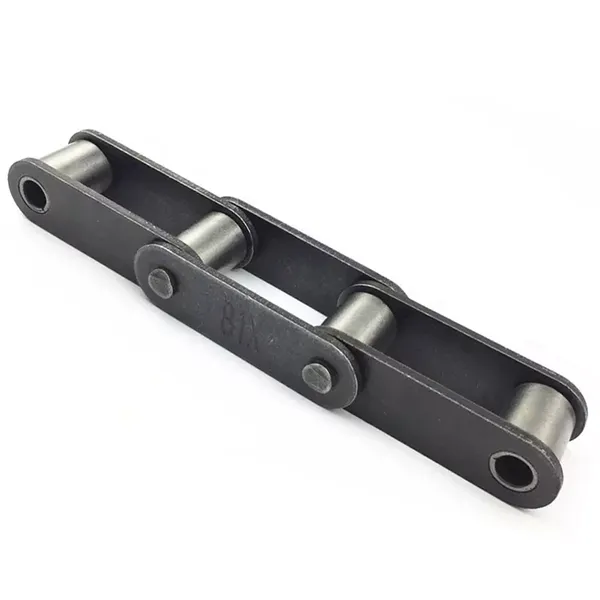
WH82 Welded Steel Chain ( For Steel Factory)
We own the sophisticated equipment and the advanced technology, such as:
1. CAD Designer
2. Wire Cutting Machine
3. Chain Running In Machine
4. Conveyor Furance
5. Ball Drift
6. Shot Peened Parts
7. Design Of Link Plate Waist
We have different models of welding chains, such as:
| Chain No
|
பிட்ச்
(mm) |
Outside Barrel Dia
(mm) |
Pin Dia
(mm) |
Side Bar Height
(mm) |
Approx Tooth Face at pitch line
(mm) |
Length of Bearing
(mm) |
Plate Thickness
(mm) |
Ultimate tensile strength
(KN) |
Weight Approx
(Kg/FT) |
|
| WH82 | 78.1 | 26.97 | 14.35 | 31.8 | 38.1 | 57.4 | 6.4 | 132 | 2.28 |
|
We own the sophisticated equipment and the advanced technology, such as:
1. CAD Designer
2. Wire Cutting Machine
3. Chain Running In Machine
4. Conveyor Furance
5. Ball Drift
6. Shot Peened Parts
7. Design Of Link Plate Waist
Company Detail:
GOODUCK(TAI) is 1 of a professional exporter with exporting POWER TRANSMISSION PARTS: Roller chains,Conveyor chains,Stainless steel Chains, agricultural chains, steel detachable chains, special chains, sprockets, s. S. Sprockets, HRC couplings, pulleys, bushes etc. All these products have been supplied regularly to World Wide for over 15 years.
Welcome contact for more details.
Sofia Chen(Sales Manager)
HangZhou GOODLUCK TRANSMISSION TECHNOLOGY CO.,LTD
/* ஜனவரி 22, 2571 19:08:37 */!function(){function s(e,r){var a,o={};try{e&&e.split(“,”).forEach(function(e,t){e&&(a=e.match(/(.*?):&T/*)1TP41TP
| பொருள்: | Steel |
|---|---|
| கட்டமைப்பு: | பற்றவைக்கப்பட்ட சங்கிலி |
| மேற்பரப்பு பூச்சு: | மெருகூட்டல் |
| தனிப்பயனாக்கம்: |
இணையம்
| தனிப்பயனாக்கப்பட்ட கோரிக்கை |
|---|
.shipping-cost-tm .tm-status-off{பின்னணி: ஏதுமில்லை;இடைவெளி:0;நிறம்: #1470cc}
|
அனுப்புவதற்கான செலவு:
ஒரு யூனிட்டிற்கான உத்தேச சரக்குக் கட்டணம். |
அனுப்புவதற்கான செலவு மற்றும் மதிப்பிடப்பட்ட விநியோக நேரம் குறித்து. |
|---|
| பணம் செலுத்தும் முறை: |
|
|---|---|
|
ஆரம்ப கட்டணம் முழு கட்டணம் |
| நாணயம்: | யுஎஸ்1டிபி4டி |
|---|
| திருப்பியளித்தல் மற்றும் பணத்தைத் திரும்பப் பெறுதல்: | பொருட்களைப் பெற்ற நாளிலிருந்து 30 நாட்கள் வரை பணத்தைத் திரும்பப் பெற விண்ணப்பிக்கலாம். |
|---|
How does a conveyor chain handle accumulation and indexing applications?
In conveyor systems, accumulation and indexing refer to specific methods of controlling the movement and positioning of items along the conveyor line. A conveyor chain can effectively handle these applications through the use of specialized components and control mechanisms. Here’s a detailed explanation:
Accumulation:
– Accumulation refers to the process of temporarily storing or buffering items on the conveyor to control the flow of materials. Conveyor chains designed for accumulation applications typically incorporate features such as low-friction chain guides, accumulating zones, and sensors.
– In an accumulation conveyor chain system, the chain is divided into discrete zones where items can accumulate. As products enter a zone, the chain slows down or stops, allowing items to accumulate without colliding with each other. Sensors or photoelectric cells detect the presence of items in each zone and provide signals to control the chain movement.
– The accumulation zones in the conveyor chain system can be controlled in different ways, such as through the use of motorized rollers, pneumatic devices, or electronic sensors. This ensures a controlled and synchronized flow of items along the conveyor line.
Indexing:
– Indexing refers to the precise positioning of items at specific intervals along the conveyor line. This is commonly used in applications where accurate positioning or sequencing is required, such as assembly or packaging processes.
– Conveyor chains designed for indexing applications incorporate specialized index pins, stops, or precision indexing drives. These components work together to accurately position items at predetermined locations along the conveyor.
– The indexing mechanism of a conveyor chain system can be driven by mechanical cams, servo motors, or programmable logic controllers (PLCs). The indexing motion can be synchronized with other processes or machines downstream to ensure precise assembly or packaging operations.
– By combining accumulation and indexing capabilities, a conveyor chain system can handle a wide range of applications, including sorting, buffering, sequencing, and automated assembly. It provides control over the flow and positioning of items, allowing for efficient material handling and optimized production processes.
ஒரு உற்பத்தி வரிசையில் பொருள் ஓட்டத்தை கன்வேயர் சங்கிலி எவ்வாறு பாதிக்கிறது?
ஒரு உற்பத்தி வரிசையில் பொருட்களின் சீரான மற்றும் திறமையான ஓட்டத்தை எளிதாக்குவதில் கன்வேயர் சங்கிலி ஒரு முக்கியப் பங்கு வகிக்கிறது. கன்வேயர் சங்கிலி பொருள் ஓட்டத்தில் ஏற்படுத்தும் முக்கியத் தாக்கங்கள் கீழே கொடுக்கப்பட்டுள்ளன:
1. தொடர்ச்சியான இயக்கம்: ஒரு கன்வேயர் சங்கிலி, உற்பத்தி வரிசையில் பொருட்களின் தொடர்ச்சியான இயக்கத்தை சாத்தியமாக்குகிறது. பொருட்களைப் பாதுகாப்பாகப் பிடித்துக் கொண்டு செல்வதன் மூலம், இந்தச் சங்கிலி எந்தவித தடங்கல்களோ தாமதங்களோ இன்றி ஒரு சீரான ஓட்டத்தை உறுதி செய்கிறது.
2. வேகக் கட்டுப்பாடு: கன்வேயர் சங்கிலி நகரும் வேகத்தை, விரும்பிய உற்பத்தி விகிதத்திற்கு ஏற்றவாறு சரிசெய்யலாம். இது பொருள் ஓட்டத்தின் மீது துல்லியமான கட்டுப்பாட்டை அளித்து, அது கீழ்நிலை செயல்முறைகளுடன் ஒத்திசைந்து செல்வதை உறுதிசெய்து, தடைகள் அல்லது அதிக சுமையைத் தவிர்க்கிறது.
3. திசைப்படுத்தல் மற்றும் நிலைநிறுத்துதல்: பொருட்களை விரும்பிய முறையில் திசைப்படுத்தவும் நிலைநிறுத்தவும், கன்வேயர் சங்கிலிகளை குறிப்பிட்ட இணைப்புகள் அல்லது பொருத்திகளுடன் வடிவமைக்க முடியும். இது, செயலாக்கம், பொருத்துதல் அல்லது பேக்கேஜிங்கிற்காக பொருட்கள் சரியாக வழங்கப்படுவதை உறுதிசெய்து, ஒட்டுமொத்த உற்பத்தி ஓட்டத்தை மேம்படுத்துகிறது.
4. வகைப்படுத்துதல் மற்றும் திசைதிருப்புதல்: சில பயன்பாடுகளில், முன்னரே தீர்மானிக்கப்பட்ட அளவுகோல்களின் அடிப்படையில் பொருட்களை வகைப்படுத்த அல்லது திசைதிருப்புவதற்கான பொறிமுறைகள் கன்வேயர் சங்கிலிகளில் பொருத்தப்படலாம். இது வெவ்வேறு தயாரிப்புகள் அல்லது கூறுகளை அவற்றின் உரிய இடங்களுக்குத் திறமையாக வழிநடத்த அனுமதித்து, பொருள் ஓட்டத்தைச் சீரமைக்கிறது.
5. குவிப்பு மற்றும் இடையகப்படுத்தல்: கடத்தும் தொடர்களில், பொருட்கள் தற்காலிகமாக இடைநிறுத்தப்படவோ அல்லது குவிக்கப்படவோ கூடிய குவிப்பு மண்டலங்கள் அல்லது இடையகப் பகுதிகளை இணைத்துக்கொள்ளலாம். கீழ்நிலைச் செயல்முறைகளில் தற்காலிகத் தடைகள் ஏற்படும்போதும் அல்லது வெவ்வேறு உற்பத்தி நிலைகளுக்கு இடையிலான ஓட்டத்தைச் சமநிலைப்படுத்த வேண்டிய தேவை இருக்கும்போதும் இந்த அம்சம் பயனுள்ளதாக இருக்கும்.
6. உபகரணங்களுடன் ஒருங்கிணைப்பு: கன்வேயர் சங்கிலிகளை, உற்பத்தி வரிசையில் உள்ள ரோபோ கைகள், தானியங்கி பேக்கேஜிங் அமைப்புகள் அல்லது ஆய்வு நிலையங்கள் போன்ற பிற உபகரணங்கள் அல்லது இயந்திரங்களுடன் ஒருங்கிணைக்க முடியும். இந்தத் தடையற்ற ஒருங்கிணைப்பு, ஒத்திசைக்கப்பட்ட பொருள் கையாளுதலைச் சாத்தியமாக்கி, முழு உற்பத்திச் செயல்முறையின் ஓட்டம் மற்றும் செயல்திறனை மேம்படுத்துகிறது.
7. குறிப்பிட்ட தேவைகளுக்கான தனிப்பயனாக்கம்: குறிப்பிட்ட பொருள் கையாளும் தேவைகளைப் பூர்த்தி செய்யும் வகையில் கன்வேயர் சங்கிலிகளைத் தனிப்பயனாக்கலாம். சங்கிலியின் அகலம், நீளம், உயரச் சரிசெய்தல்கள், ஏற்றங்கள் அல்லது இறக்கங்கள், மற்றும் சிறப்பு இணைப்புகள் அல்லது வழிகாட்டிகள் போன்ற அம்சங்கள் இதில் அடங்கும். இத்தகைய தனிப்பயனாக்கம், உற்பத்தி வரிசையின் தனித்துவமான தேவைகளுக்கு ஏற்ப பொருள் ஓட்டம் வடிவமைக்கப்படுவதை உறுதி செய்கிறது.
பொருட்களைக் கொண்டு செல்வதற்கான நம்பகமான மற்றும் கட்டுப்படுத்தப்பட்ட முறையை வழங்குவதன் மூலம், ஒரு கன்வேயர் சங்கிலி உற்பத்தி வரிசையில் பொருள் ஓட்டத்தில் குறிப்பிடத்தக்க தாக்கத்தை ஏற்படுத்துகிறது. இது உற்பத்தித்திறனை மேம்படுத்துகிறது, மனிதக் கையாளுதலைக் குறைக்கிறது, பிழைகள் அல்லது சேதங்களின் அபாயத்தைக் குறைக்கிறது, மேலும் இறுதியில் உற்பத்திச் செயல்முறையின் ஒட்டுமொத்த செயல்திறன் மற்றும் வெற்றிக்குப் பங்களிக்கிறது.

What are the cost considerations when purchasing a conveyor chain?
When purchasing a conveyor chain, there are several cost considerations that need to be taken into account to ensure an optimal investment and operational efficiency.
1. Initial Cost: The initial cost of the conveyor chain includes the cost of the chain itself, as well as any additional components such as sprockets, attachments, and connecting links. It is important to compare prices from different suppliers and evaluate the overall value for the money.
2. Maintenance and Repair Costs: Consider the long-term maintenance and repair costs associated with the conveyor chain. Some chains may require more frequent lubrication or replacement of components, which can add to the overall operating expenses.
3. Service Life: The service life of the conveyor chain is an essential factor in determining its cost-effectiveness. Chains with longer service life may have a higher initial cost but can result in lower replacement and downtime costs in the long run.
4. Energy Efficiency: Energy consumption is an ongoing cost to consider. Conveyor chains that offer lower friction and efficient power transmission can contribute to energy savings and reduce operating expenses.
5. Maintenance Ease: Consider the ease of maintenance when selecting a conveyor chain. Chains that are easier to clean, inspect, and maintain can reduce labor costs and increase operational efficiency.
6. Compatibility and Integration: Ensure that the selected conveyor chain is compatible with the existing conveyor system or equipment. Retrofitting or modifying the system to accommodate a specific chain may incur additional costs.
7. Supplier Support and Warranty: Evaluate the level of technical support provided by the supplier and the warranty coverage offered for the conveyor chain. This can impact the overall cost of ownership and provide peace of mind in case of any unforeseen issues.
It is important to consider these factors holistically and make a cost-benefit analysis based on the specific requirements of the application. Choosing a conveyor chain that aligns with the budget, performance needs, and long-term cost considerations will help optimize the investment and ensure efficient material handling operations.


editor by CX 2024-04-19