Produktbeskrivelse
Produktbeskrivelse
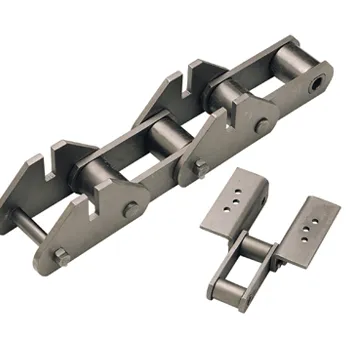
The drop forged chains made of heat treated high grade alloy steel.
1) X348,X458,X678,H698,9118,P1
Http://kasinchain
| Materiale: | SCR440 |
|---|---|
| Struktur: | Forging |
| Overflatebehandling: | Shot Blasting |
| Kjedestørrelse: | P:160mm |
| Trekk: | Heat Resistant, Forging |
| Breaking Load: | 320kn |
| Prøver: |
US$ 29/Meter
1 Meter(Min.Order) | |
|---|
| Tilpasning: |
Tilgjengelig
| Tilpasset forespørsel |
|---|

Can a conveyor chain be used in high-speed applications?
Yes, a conveyor chain can be used in high-speed applications depending on the design and specifications of the chain and the conveyor system. However, there are certain factors to consider when using a conveyor chain in high-speed applications:
1. Chain Design: The design of the conveyor chain should be capable of handling high speeds without compromising safety or performance. Specialized high-speed chains are available that are specifically engineered to withstand the demands of high-speed applications.
2. Material Selection: The material used in the construction of the conveyor chain should have high strength and durability to withstand the forces and stresses at high speeds. Common materials for high-speed conveyor chains include alloy steels, stainless steel, and special polymers.
3. Lubrication: Proper lubrication is crucial in high-speed applications to reduce friction, heat, and wear. Lubricants specifically designed for high-speed conveyor chains should be used to ensure smooth operation and extend the chain’s lifespan.
4. Tensioning and Alignment: Accurate tensioning and alignment of the conveyor chain are critical for high-speed applications. Proper tensioning helps to maintain the chain’s stability and prevent excessive vibrations or elongation, which can lead to chain failure or premature wear.
5. Safety Considerations: High-speed applications require additional safety measures to protect personnel and equipment. Proper guarding, emergency stop systems, and regular maintenance inspections are essential to ensure safe operation.
It’s important to consult the conveyor chain manufacturer or an engineering professional to determine the suitability of a specific chain for high-speed applications. They can provide guidance on selecting the appropriate chain design, material, lubrication, and maintenance practices to ensure reliable and efficient operation at high speeds.

What are the benefits of using a roller conveyor chain?
A roller conveyor chain offers several advantages in material handling and transportation applications. Here are some of the benefits:
1. Efficient transportation: Roller conveyor chains are designed to smoothly and efficiently transport various types of goods and materials. The rollers provide low-friction movement, reducing the effort required to move the load along the conveyor.
2. Versatility: Roller conveyor chains are versatile and can handle a wide range of products, from small and lightweight items to heavy and bulky loads. They are commonly used in industries such as manufacturing, distribution, logistics, and warehouses.
3. Durability: Roller conveyor chains are typically made from robust materials such as steel, which provides excellent durability and longevity. They can withstand heavy loads, repetitive use, and harsh working environments.
4. Flexibility: Roller conveyor chains can be configured in various layouts to accommodate different space requirements and material flow patterns. They can be straight, curved, inclined, or declined to optimize the flow of goods within the facility.
5. Easy accumulation: Roller conveyor chains allow for efficient accumulation of products without causing damage or jamming. The rollers can be designed with specific spacing and configurations to enable controlled accumulation and release of items along the conveyor line.
6. Minimal maintenance: With proper maintenance and lubrication, roller conveyor chains require minimal upkeep. The design of the chain and rollers reduces the accumulation of debris, making them easier to clean and maintain.
7. Smooth and quiet operation: The use of rollers in the conveyor chain ensures smooth and quiet operation, reducing noise levels in the workplace. This creates a more comfortable and productive working environment.
8. Enhanced safety: Roller conveyor chains are designed with safety in mind. They can be equipped with various safety features such as guards, sensors, and emergency stop mechanisms to ensure the well-being of operators and prevent accidents.
By utilizing a roller conveyor chain, businesses can benefit from improved efficiency, increased durability, flexibility in material handling, and enhanced safety in their operations.
Hva er vedlikeholdskravene for en transportkjede?
Vedlikehold av en transportkjede er viktig for å sikre problemfri drift og forlenge levetiden. Her er noen viktige vedlikeholdskrav for en transportkjede:
- Regelmessig rengjøring: Rengjør transportkjeden regelmessig for å fjerne smuss, rusk og forurensninger som kan bidra til kjedeslitasje og redusere ytelsen. Bruk passende rengjøringsmidler og verktøy for å unngå å skade kjeden.
- Smøring: Påfør anbefalt smøremiddel på transportkjeden i henhold til produsentens retningslinjer. Smøring bidrar til å redusere friksjon, minimere slitasje og forhindre korrosjon.
- Spenningsjustering: Sjekk strammingen på transportkjeden regelmessig og juster den om nødvendig. Riktig stramming sikrer jevn drift og forhindrer problemer som kjedeglidning eller overdreven slitasje.
- Undersøkelse: Utfør regelmessige inspeksjoner av transportkjeden for å identifisere tegn på slitasje, skade eller feiljustering. Se etter problemer som slitte tannhjul, forlengelse, bøyde eller skadede ledd og løse forbindelser. Løs eventuelle problemer raskt for å forhindre ytterligere skade.
- Skift ut slitte komponenter: Hvis noen komponenter i transportkjeden, som lenker, pinner eller tannhjul, er svært slitte eller skadet, bør de byttes ut. Bruk av slitte komponenter kan svekke kjedenes ytelse og føre til feil.
- Justering: Sørg for riktig justering av transportkjeden ved å kontrollere justeringen av tannhjul, tomgangshjul og andre komponenter. Feiljustering kan forårsake ujevn slitasje og øke risikoen for kjedefeil.
- Opplæring og utdanning: Gi tilstrekkelig opplæring til personell som er ansvarlig for drift og vedlikehold av transportkjeden. De bør forstå vedlikeholdskravene, sikkerhetsprotokollene og beste praksis for å sikre effektiv og sikker drift.
Å følge disse vedlikeholdskravene vil bidra til å holde transportkjeden i optimal stand, minimere nedetid og sikre sikker og effektiv materialhåndtering.


editor by CX 2023-08-05