JEVEKJEDER • BAKERIOVNSKJEDER • KJEDER I RUSTFRITT STÅL • FESTKJEDER • HULKJEDER MED PINNER • TILPASSET UTSKIFTNING • JEVEKJEDER • BAKERIOVNSKJEDER • KJEDER I RUSTFRITT STÅL • FESTKJEDER • HULKJEDER MED PINNER • TILPASSET UTSKIFTNING
Produktbeskrivelse
|
Product
|
Standard Double Pitch Roller chain
|
|
Materiale
|
40Mn steel,304 stainless steel, 316 stainless steel and 201 stainless steel.
|
|
Types
|
Standard chains and special chains, such as A or B series chains, roller chains, driving chains, conveyor chains, hoisting chains, agricultural chains, sprockets, gears, wheels and so on.
|
|
Series
|
A series(12.7-50.8mm pitches),B series (9.525-50.8mm pitches)and the heavy series.
|
|
Short pitch precision roller chain
|
Simplex Roller Chains&Bushing Chains:
04C-1,06C-1,085-1,08A-1,10A-1,12A-1,16A-1,20A-1,24A-1,28A-1,32A-1,36A-1,40A-1,48A-1
Duplex Roller Chains&Bushing Chains:
04C-2,06C-2,085-2,08A-2,10A-2,12A-2,16A-2,20A-2,24A-2,28A-2,32A-2,36A-2,40A-2,48A-2
Triplex Roller Chains&Bushing Chains:
04C-3,06C-2,085-3,08A-3,10A-3,12A-3,16A-3,20A-3,24A-3,28A-3,32A-3,36A-3,40A-3,48A-3
|
|
Chain link type
|
Standard links (without attachment) and non-standard links (with attachment).
A1: One-side,one hole cranked attachments.
A2: One-side,two holes cranked attachments.
K1: Both-side,one hole cranked attachments.
K2: Both-side,two hole cranked attachments.
D1: One-side,an extended pin on every outer link.
D3: One-side,two extended pin on every outer link.
|
|
Our Products Advantage
|
1. Every step from production order to the packing process has a strict quality inspection.
2. We have standard roller chain with 1.5 CZPT (DIN. ANSI.); Non-standard roller chain (customized acording to customer drawings).
3. Export products with high quality and low price.
4.We have a good service before and after-sale.
|
1.Fast delivery: Standard products can be delivered in as fast as 20 days
2.Good service: timely reply, prompt quotation, responsible for the product
3.High cost performance: can maintain price stability for a certain period of time, bringing greater profits to customers
4.Good quality: production and testing have corresponding supervision to ensure product quality and get high praise from customers
5.OEM service: products can be customized according to drawings and requirements
We are responsible for the ordered products. We are very confident in the products we produce. Of course, if you have any problems after receiving the goods, you can contact us directly. We will confirm and negotiate in time to solve your difficulties.
Fraktkostnad:
Estimert frakt per enhet.
|
To be negotiated|
Freight Cost Calculator
|
| Materiale: |
Legering |
| Struktur: |
Rullekjede |
| Overflatebehandling: |
Polering |
| Prøver: |
US$ 35/kg
1 kg(Min.Order)
|
Bestill prøve
|
| Tilpasning: |
Tilgjengelig
|
Tilpasset forespørsel
|
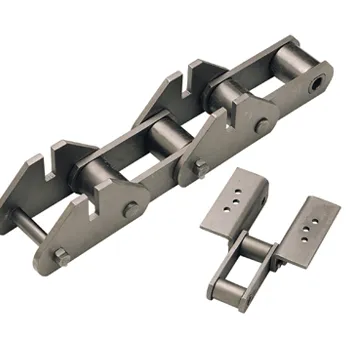
Can a conveyor chain be used in overhead conveyor systems?
Yes, a conveyor chain can be used in overhead conveyor systems. Overhead conveyor systems are designed to move materials, products, or components along an elevated path, typically in manufacturing or distribution facilities.
Conveyor chains used in overhead conveyor systems are specially designed to handle the weight and load requirements of the application. They are typically made from durable materials such as steel or stainless steel to ensure strength and longevity.
Here are some key considerations when using a conveyor chain in overhead conveyor systems:
1. Load Capacity:
– Ensure that the conveyor chain has sufficient load capacity to handle the weight of the conveyed items. The load capacity should be determined based on the maximum anticipated load and any potential dynamic forces.
2. Chain Type and Design:
– Select a conveyor chain that is suitable for overhead applications, such as an overhead conveyor chain or an inverted tooth chain. These chains are specifically designed to handle the unique requirements of overhead conveyance.
3. Lubrication:
– Proper lubrication is crucial for the smooth operation of the conveyor chain in an overhead system. Consider using lubricants that are suitable for overhead applications and ensure regular lubrication to minimize friction and wear.
4. Safety Measures:
– Implement appropriate safety measures to prevent accidents and ensure worker safety. This may include installing safety guards, emergency stop systems, and implementing regular maintenance and inspection routines.
It is important to consult with conveyor system manufacturers or experts who specialize in overhead conveyor systems to ensure the conveyor chain is selected and installed correctly for the specific application requirements.
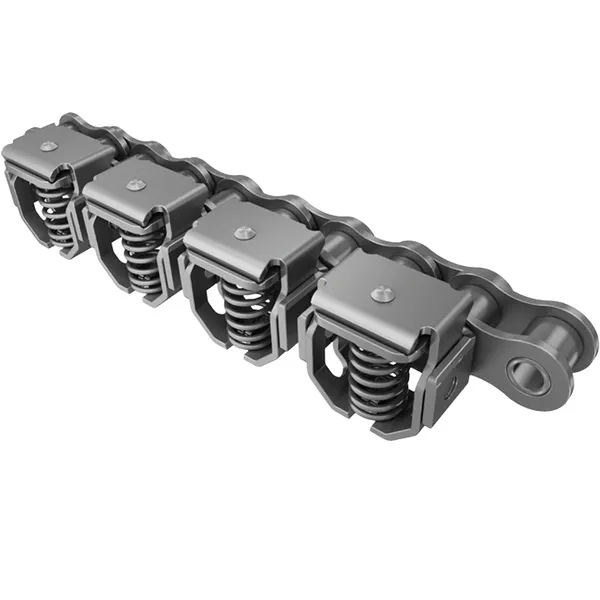
What are the best practices for storing and handling conveyor chains?
Proper storage and handling of conveyor chains are essential to maintain their performance, prevent damage, and prolong their lifespan. Here are some best practices to consider:
1. Clean and dry storage area: Store conveyor chains in a clean and dry environment to prevent the accumulation of dirt, dust, moisture, or contaminants that can affect their performance and cause corrosion.
2. Adequate support: Ensure that the stored conveyor chains are properly supported to prevent excessive bending or deformation. Use pallets, racks, or designated storage containers that can accommodate the weight and length of the chains.
3. Avoid excessive heat or cold: Conveyor chains should be stored in an area with a moderate temperature range to avoid extreme heat or cold that can affect the material properties or lubrication of the chains.
4. Protection against impacts and vibrations: Protect the stored chains from impacts or excessive vibrations that can cause damage or deformation. Use suitable packaging or covers to shield the chains from any potential physical damage.
5. Lubrication: Apply a thin layer of appropriate lubricant to the chains before storage to prevent corrosion and maintain their smooth operation. Follow the manufacturer’s recommendations for lubrication type and quantity.
6. Regular inspections: Periodically inspect the stored conveyor chains to ensure there are no signs of damage, corrosion, or deformation. If any issues are identified, take appropriate actions such as cleaning, lubricating, or replacing the chains.
7. Proper handling techniques: When handling conveyor chains, use appropriate lifting equipment or tools to avoid excessive strain or bending. Avoid dragging or dropping the chains, as this can cause damage to the chain links or attachments.
8. Training and awareness: Provide training to personnel involved in handling and storing conveyor chains to ensure they understand the proper procedures and best practices. Promote awareness of the importance of careful handling and storage to prevent accidents and maintain chain integrity.
By following these best practices, you can ensure the longevity and reliable performance of your conveyor chains, reducing the risk of downtime and costly repairs.
Hvordan velger du riktig transportkjede til transportbåndsystemet ditt?
Det er avgjørende å velge riktig transportkjede til transportbåndsystemet ditt for å sikre optimal ytelse og levetid. Her er trinnene du må følge når du velger en transportkjede:
- Identifiser søknadskravene dine: Bestem de spesifikke kravene til transportbåndsystemet ditt, inkludert typen materiale som transporteres, driftshastighet, lastekapasitet, miljøforhold og eventuelle spesielle hensyn.
- Tenk på kjedetypen: Basert på dine brukskrav, vurder de ulike typene transportkjeder som er tilgjengelige, for eksempel rullekjeder, dobbeltkjeder, hule stiftkjeder, forklekjeder eller plastkjeder. Evaluer deres egenskaper og fordeler for å finne ut hvilken type som passer best for dine behov.
- Vurder kjedematerialet: Transportkjeder er vanligvis laget av forskjellige materialer som stål, rustfritt stål eller plast. Vurder faktorer som korrosjonsbestandighet, temperaturbestandighet, slitestyrke og krav til næringsmiddelkvalitet når du velger kjedemateriale.
- Bestem kjedeavstanden: Kjedeavstanden refererer til avstanden mellom sentrene til tilstøtende pinner. Velg riktig avstandsstørrelse basert på transportbåndets design, lastkrav og hastighet. Mindre avstandsstørrelser gir jevnere drift ved høyere hastigheter, mens større avstandsstørrelser gir bedre motstand mot slitasje og utmatting.
- Vurder kjedestyrken: Vurder den nødvendige strekkfastheten og utmattingsmotstanden til kjedet for å sikre at det tåler forventet belastning og driftsforhold. Faktorer som kjedekonstruksjon, materialkvalitet og varmebehandling spiller en rolle i å bestemme kjedens styrke.
- Vurder tilleggsfunksjoner: Avhengig av bruksområdet kan det hende du trenger tilleggsfunksjoner som fester, føringer eller spesialbelegg på kjedet. Vurder om noen av disse funksjonene er nødvendige for å oppfylle dine spesifikke krav.
- Rådfør deg med eksperter: Hvis du er usikker på utvelgelsesprosessen eller har unike applikasjonsbehov, anbefales det å konsultere med produsenter av transportkjeder eller bransjeeksperter som kan gi veiledning og anbefalinger basert på deres ekspertise.
Ved å følge disse trinnene og nøye vurdere dine applikasjonskrav, kan du velge riktig transportkjede som sikrer effektiv og pålitelig drift av transportbåndsystemet ditt.


editor by CX 2023-07-28
 Norwegian