Description du produit
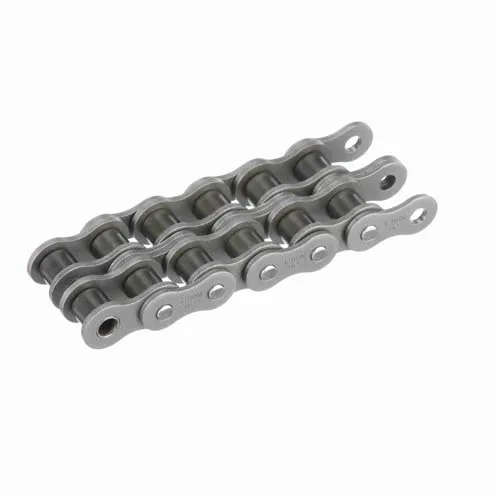
| Model NO. | 08B\10B\12B\16B |
| Chain Model | Roller Chains |
| Structure (for Chain) | Chaîne à rouleaux |
| Spécification | GB/T, DIN, ANSI, ISO, BS, JIS. |
| Origin | HangZhou, ZheJiang |
| Couleur | Solid Color |
| Chain Color | Customized |
Our company
Wolff Chain Co. is 1 of the professional chain manufacturers in China. We focus on reseaching, manufacturing and trading of the chain drive with famous brands — “DOVON” and “DECHO”. We supply OEM services for many famous enterprises such as SUZUKI, XIHU (WEST LAKE) DIS., FAW, AGCO, JUMING as well.
Wolff mainly producing the Transmission chains,Conveyor chains,Dragging Chains,Silent chains,Leaf chains,Roller chains,Special chain and many other series of chain products. Our technicians a have improved the chains quality to the world-level. High quality material selection, powerful and precise heat-treatment technology and excellent assembly methods ensure Wolff chains meet the tough and strict requirements for machines and vehicles.
All of our products completely conform to the international standard such as ISO\DIN\ANSI\BS\JIS, etc. Wolff has been successfully certified by ISO9001 Quality Management System,SGS inspection and BV inspection. Wolff chains can be widely applied to many industries including automobile, motorcycle, forklift, wood processing machine, constructure machine, packing machine, food machine,tobacco machine and agricultural equipments. Wolff chains are popular in America,South America,Europe,Middle East, South East Asia and Africa markets.
Our workshop
Our certification
Welcome to our exhibition
FAQ
Q1. What is your terms of packing?
A: Generally, we pack our goods in single color box. If you have special request about packing, pls negotiate with us in advance, we can pack the goods as your request.
Q2. What is your terms of payment?
A: T/T 30% as deposit, and 70% before delivery. We’ll show you the photos of the products and packages
before you pay the balance. Other payments terms, pls negotiate with us in advance, we can discuss.
Q3. What is your terms of delivery?
A: EXW, FOB, CFR, CIF.
Q4. How about your delivery time?
A: Generally, it will take 25 to 30 days after receiving your advance payment. The specific delivery time depends
on the items and the quantity of your order.
Q5. Can you produce according to the samples?
A: Yes, we can produce by your samples or technical drawings. We can build the molds and fixtures.
Q6. What is your sample policy?
A: We can supply the sample if we have ready parts in stock, but the customers have to pay the sample cost and
the courier cost.We welcome sample order.
Q7. Do you test all your goods before delivery?
A: Yes, we have 100% test before delivery
Q8: How do you make our business long-term and good relationship?
1. We keep good quality and competitive price to ensure our customers benefit ;
2. We respect every customer as our friend and we sincerely do business and make friends with them,
no matter where they come from.
| Standard ou non standard : | Standard |
|---|---|
| Application: | Textile Machinery, Garment Machinery, Conveyer Equipment, Packaging Machinery, Food Machinery, Marine, Mining Equipment |
| Traitement de surface : | Oil Blooming |
| Structure: | Chaîne à rouleaux |
| Matériel: | Carbon Steel |
| Type: | Short Pitch Chain |
| Personnalisation : |
Disponible
| Demande personnalisée |
|---|

How do you ensure proper tensioning and alignment of a conveyor chain?
Proper tensioning and alignment are essential for the efficient and reliable operation of a conveyor chain. Here are the steps to ensure correct tensioning and alignment:
1. Initial Installation:
– Ensure that the conveyor frame and supports are properly aligned and leveled before installing the chain. Any misalignment or unevenness can lead to tensioning and alignment issues.
– Follow the manufacturer’s guidelines and specifications for chain installation. This includes proper placement of sprockets, tensioners, and guides.
2. Tensioning:
– Adjust the tension of the chain to the manufacturer’s recommended specifications. Proper tension prevents excessive sagging or tightness, reducing wear and extending the chain’s life.
– Use tensioning devices, such as adjustable take-up units or tensioning screws, to achieve the desired tension. Refer to the manufacturer’s guidelines for the appropriate method of tensioning for your specific conveyor chain.
– Regularly check and adjust the tension as needed. Factors such as chain wear, load variations, and temperature changes can affect the chain’s tension over time.
3. Alignment:
– Check the alignment of the chain with respect to the sprockets and guides. Misalignment can cause uneven wear, increased friction, and premature failure of the chain.
– Inspect the alignment by visually examining the chain’s path along the sprockets and guides. It should run smoothly without any signs of rubbing or excessive deviation.
– Use alignment tools, such as laser alignment devices or straightedges, to accurately assess and correct any misalignment. Adjust the position of sprockets, guides, and supports as necessary.
4. Regular Maintenance:
– Implement a scheduled maintenance program to regularly inspect and maintain proper tensioning and alignment of the conveyor chain.
– Monitor the chain’s performance, including wear patterns, noise levels, and power consumption, as indicators of potential tensioning or alignment issues.
– Keep the chain clean and free from debris or contaminants that can affect its movement and alignment.
By following these steps and regularly monitoring the tensioning and alignment of the conveyor chain, you can ensure smooth and reliable operation, minimize chain wear, and reduce the risk of unexpected failures.
Quels sont les avantages de l'utilisation d'un système de chaîne de convoyage modulaire ?
Un système de convoyeur modulaire offre plusieurs avantages en termes de flexibilité, d'efficacité et de facilité d'entretien. Voici quelques-uns de ses principaux atouts :
1. Polyvalence : Les chaînes de convoyage modulaires sont conçues avec des modules emboîtables faciles à connecter et à déconnecter. Cette conception offre une grande flexibilité pour configurer le système de convoyage en fonction des exigences d’agencement, des besoins de production ou des contraintes d’espace. Il est possible d’ajouter, de retirer ou de repositionner des modules pour s’adapter à l’évolution des processus de production ou aux variations de produits.
2. Personnalisation : La conception modulaire du système de convoyeur permet une personnalisation adaptée aux exigences spécifiques de chaque application. Différents types de modules sont disponibles : sections droites, courbes, rampes, descentes, jonctions et déviateurs. Des accessoires tels que des guides latéraux, des taquets ou des dispositifs de maintien de produits peuvent être facilement intégrés au système.
3. Installation et modification rapides : Les chaînes de convoyeurs modulaires sont conçues pour une installation et une modification aisées. Grâce à leurs connexions à enclenchement rapide, les modules peuvent être assemblés ou démontés rapidement, réduisant ainsi les temps d’arrêt lors de la mise en service ou de la reconfiguration du système. Cette caractéristique facilite également la maintenance, les réparations et les extensions futures.
4. Efficacité accrue : La modularité du système de convoyeurs permet une manutention efficace des matériaux et un flux de travail optimisé. Le transfert fluide entre les modules minimise les blocages et les désalignements, garantissant un flux continu et régulier. La possibilité d’intégrer des courbes ou des pentes au système permet une utilisation optimale de l’espace au sol et facilite le déplacement des produits à différentes hauteurs.
5. Maintenance aisée : Les systèmes de convoyeurs modulaires sont conçus pour une maintenance simplifiée. Chaque module est facilement accessible et remplaçable sans démontage complet du système, ce qui réduit les coûts et les délais de maintenance. De plus, la structure ouverte des modules facilite le nettoyage, l’élimination des débris et l’inspection.
6. Durabilité et fiabilité : Les chaînes de convoyeurs modulaires sont généralement fabriquées à partir de matériaux de haute qualité tels que le plastique ou l’acier inoxydable, ce qui garantit leur durabilité et leur longévité. Résistantes à l’usure, à la corrosion et aux produits chimiques, elles conviennent à divers environnements industriels. Leur conception à emboîtement assure la stabilité et empêche le glissement de la chaîne pendant le fonctionnement.
7. Dispositifs de sécurité : Les systèmes de convoyeurs modulaires peuvent intégrer des dispositifs de sécurité tels que des boutons d’arrêt d’urgence, des protections ou des capteurs de blocage ou de surcharge. Ces dispositifs contribuent à garantir un environnement de travail sûr pour les opérateurs et à préserver l’intégrité des produits transportés.
Globalement, un système de convoyeur modulaire offre polyvalence, personnalisation, efficacité et facilité d'entretien. Il constitue une solution fiable pour la manutention de matériaux dans des secteurs tels que la fabrication, l'emballage, la distribution et la logistique.
How do you optimize the efficiency of a conveyor chain system?
To optimize the efficiency of a conveyor chain system, several factors should be considered and implemented:
1. System Design: Ensure that the conveyor system is properly designed to minimize energy losses, reduce friction, and optimize material flow. Consider factors such as conveyor length, incline/decline angles, and the number and placement of drive units to achieve efficient operation.
2. Chain Selection: Select the appropriate conveyor chain based on the specific application requirements, such as load capacity, speed, and environmental conditions. Consider factors like chain material, pitch, and strength to ensure optimal performance and longevity.
3. Lubrication: Proper lubrication of the conveyor chain is essential for reducing friction, wear, and power consumption. Choose the right lubricant for the application and regularly maintain the lubrication levels to ensure smooth chain operation.
4. Tensioning and Alignment: Regularly inspect and adjust the tension and alignment of the conveyor chain to prevent excessive slack or tightness. Proper tensioning and alignment help to minimize chain wear, reduce energy losses, and ensure consistent performance.
5. Preventive Maintenance: Implement a regular maintenance program to identify and address potential issues before they escalate. This includes cleaning the chain, inspecting sprockets and guides, replacing worn components, and checking for proper tension and alignment. A well-maintained system reduces downtime and extends the life of the chain.
6. System Monitoring: Utilize monitoring tools such as sensors, cameras, or automated systems to track the performance of the conveyor chain system. Monitoring can provide valuable data on chain tension, alignment, speed, and power consumption, allowing for timely adjustments and optimization.
7. Training and Operator Awareness: Train operators on best practices for operating and maintaining the conveyor chain system. Promote awareness of energy efficiency, proper handling, and safety protocols to ensure optimal system performance.
By considering these factors and implementing appropriate measures, the efficiency of a conveyor chain system can be optimized, leading to improved productivity, reduced energy consumption, and longer chain life.


editor by CX 2023-08-21