وصف المنتج
| The main application is for conveying various food products and containers. The 820 is a plastic version of the related. The plastic chains however have a reinforcing middle rib underneath. The link thickness is 4.0 mm (0.16 in.) for the 820-series. The links overlap, so there is no space between the links. Plate mat.:POM/PP; Pin mat.:stainless steel Max.speed: 80m/min lubrication; 50m/min dry Max.length:12m; Color:white/brown; Packing unit:10ft(80links) |
| APPLICATIONS: |
| China CHINAMFG Machinery Co.,Ltd is a special supplier of conveyor system components,including plastic and stainless steel flat top chains, Modular belts, other spare parts, such as UHMWPE wearstrips, side guards, chains guide, bipods, tripods, brackets, clampls.ect. With our years of experence, quality products, excellent services we work with world wide clients from America, Europe, Africa, many counrties of Asia. We keep very good business relation with them, and get trusted from them. Our products application: Packaging and conveying industry Beverage bottling and handling industry Food and meat processing industry Chemical industry Pharmaceuticals industry Automobile industry Electrical and electronics industry Textile industry Light engineering industry |
/* May 10, 2571 16:49:51 */!function(){function d(e,r){var a,o={};try{e&&e.split(“,”).forEach(function(e,t){e&&(a=e.match(/(.*?):(.*)$/))&&1
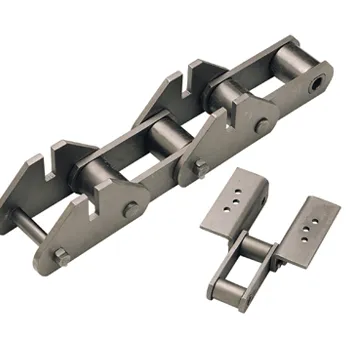
Can a conveyor chain be used in overhead conveyor systems?
Yes, a conveyor chain can be used in overhead conveyor systems. Overhead conveyor systems are designed to move materials, products, or components along an elevated path, typically in manufacturing or distribution facilities.
Conveyor chains used in overhead conveyor systems are specially designed to handle the weight and load requirements of the application. They are typically made from durable materials such as steel or stainless steel to ensure strength and longevity.
Here are some key considerations when using a conveyor chain in overhead conveyor systems:
1. Load Capacity:
– Ensure that the conveyor chain has sufficient load capacity to handle the weight of the conveyed items. The load capacity should be determined based on the maximum anticipated load and any potential dynamic forces.
2. Chain Type and Design:
– Select a conveyor chain that is suitable for overhead applications, such as an overhead conveyor chain or an inverted tooth chain. These chains are specifically designed to handle the unique requirements of overhead conveyance.
3. Lubrication:
– Proper lubrication is crucial for the smooth operation of the conveyor chain in an overhead system. Consider using lubricants that are suitable for overhead applications and ensure regular lubrication to minimize friction and wear.
4. Safety Measures:
– Implement appropriate safety measures to prevent accidents and ensure worker safety. This may include installing safety guards, emergency stop systems, and implementing regular maintenance and inspection routines.
It is important to consult with conveyor system manufacturers or experts who specialize in overhead conveyor systems to ensure the conveyor chain is selected and installed correctly for the specific application requirements.
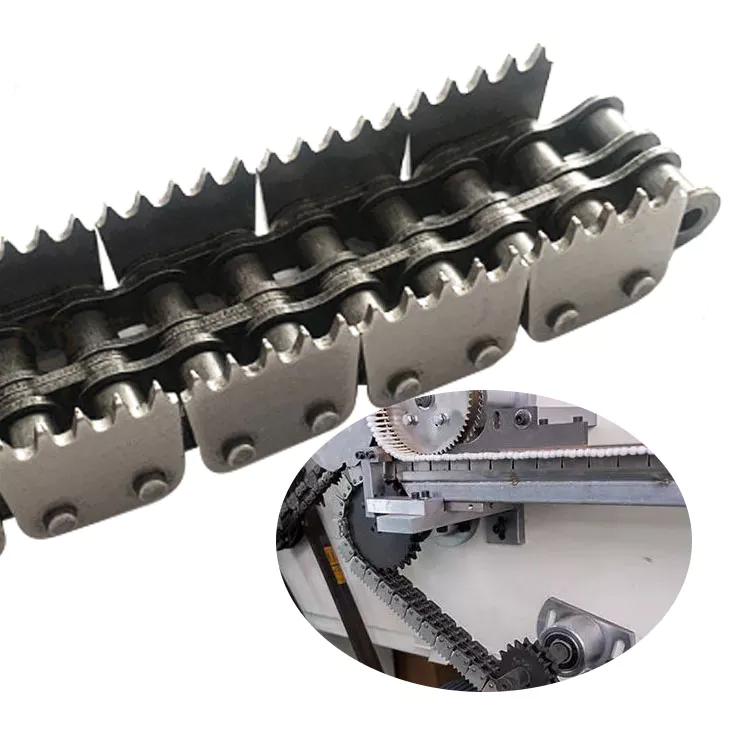
How do you select the appropriate lubricant for a conveyor chain?
Selecting the right lubricant is crucial for maintaining the performance and longevity of a conveyor chain. Here are the key factors to consider when choosing a lubricant:
1. Chain Type and Material: Different conveyor chains may have specific requirements for lubrication based on their construction materials and design. Consult the manufacturer’s recommendations or specifications to determine the lubricant compatibility.
2. Operating Conditions: Consider the operating environment, such as temperature, humidity, and presence of contaminants. For high-temperature applications, choose a lubricant with a higher temperature tolerance. In wet or dusty environments, opt for lubricants that offer excellent resistance to water washout and provide effective protection against contaminants.
3. Load and Speed: Evaluate the load capacity and speed of the conveyor chain. Higher loads and speeds may require lubricants with better film strength and anti-wear properties to reduce friction and prevent premature wear.
4. Lubrication Method: Determine the lubrication method that will be used for the conveyor chain. Lubricants can be applied through drip systems, brushes, spray nozzles, or automatic lubrication systems. Consider the viscosity and consistency of the lubricant to ensure proper application and distribution.
5. Food-Grade Requirements: In food processing or pharmaceutical applications, where direct contact with the product may occur, it’s essential to use food-grade lubricants that meet industry regulations and requirements for safety and hygiene.
6. Maintenance Schedule: Consider the desired maintenance intervals and the lubricant’s longevity. Some lubricants may require more frequent reapplication, while others provide longer-lasting lubrication.
7. Compatibility with Other Materials: Take into account the compatibility of the lubricant with other materials in the conveyor system, such as seals, gaskets, and paints. Ensure that the lubricant does not cause any adverse effects on these components.
It is recommended to consult with lubricant manufacturers or industry experts to select the most suitable lubricant for your specific conveyor chain application. They can provide guidance based on their expertise and knowledge of lubricant formulations and performance characteristics.
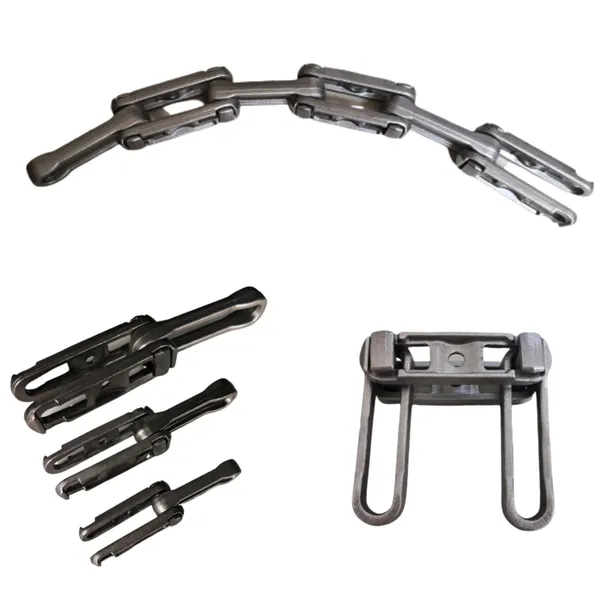
ما هي مستويات الضوضاء المرتبطة بسلاسل النقل؟
يمكن أن تختلف مستويات الضوضاء المرتبطة بسلاسل النقل تبعاً لعدة عوامل:
1. نوع السلسلة: تُصدر أنواع مختلفة من سلاسل النقل مستويات ضوضاء متفاوتة. على سبيل المثال، تميل سلاسل البكرات إلى توليد ضوضاء أكثر مقارنةً بالسلاسل الصامتة أو السلاسل البلاستيكية المعيارية.
2. السرعة: تؤثر سرعة تشغيل سلسلة النقل على مستوى الضوضاء. وتؤدي السرعات العالية عمومًا إلى زيادة الضوضاء نتيجةً للصدمات والاحتكاك بين السلسلة والمكونات الأخرى.
3. حالة السلسلة: تؤثر حالة سلسلة النقل على توليد الضوضاء. فالسلاسل البالية أو التي لا تتم صيانتها بشكل صحيح قد تُصدر ضوضاءً أكبر نتيجةً لزيادة الاحتكاك والاهتزاز.
4. البيئة المحيطة: يمكن أن تتأثر مستويات الضوضاء أيضًا بالبيئة التي يعمل فيها نظام النقل. عوامل مثل وجود آلات أخرى، وخصائص الصوت في المنشأة، وإجراءات عزل الصوت، كلها عوامل تؤثر على مستوى الضوضاء الإجمالي.
5. التصميم والمكونات: يؤثر تصميم نظام النقل واختيار مكوناته على مستويات الضوضاء. ويمكن لعوامل مثل استخدام مواد عازلة للصوت، والمحاذاة الصحيحة للمكونات، وتدابير تخميد الاهتزازات أن تساعد في خفض مستوى الضوضاء.
من المهم ملاحظة أن مستويات الضوضاء المفرطة في مكان العمل قد تؤثر سلبًا على صحة الموظفين، وقد تتطلب اتخاذ تدابير للتحكم في الضوضاء امتثالًا لأنظمة الصحة والسلامة المهنية. ويمكن أن تساعد استراتيجيات الحد من الضوضاء، مثل استخدام مواد عازلة للصوت، والتشحيم المناسب، والحفاظ على شد السلسلة، وتطبيق تقنيات عزل الاهتزازات، في تقليل الضوضاء المصاحبة لسلاسل النقل.
<img src="https://img.hzpt.com/img/chain/chain-l1.webp" alt="China OEM Thermoplastic Conveyor Flat Top Chains LF820-K400 Table Top Conveyor Chains “><img src="https://img.hzpt.com/img/chain/chain-l2.webp" alt="China OEM Thermoplastic Conveyor Flat Top Chains LF820-K400 Table Top Conveyor Chains “>
editor by lmc 2024-10-22