مصنوعات کی تفصیل
مصنوعات کی تفصیل
The drop forged chains made of heat treated high grade alloy steel.
1) X348,X458,X678,H698,9118,P1/8822 0571 -57152031 Fax: 86~/8822 0571 -57152030
Http://kasinchain
| Material: | SCR440 |
|---|---|
| Structure: | Forging |
| سطح کا علاج: | Shot Blasting |
| Chain Size: | P:153.2mm |
| Feature: | Heat Resistant, Forging |
| Breaking Load: | 320kn |
| نمونے: |
US$ 25/Meter
1 Meter(Min.Order) | |
|---|
| حسب ضرورت: |
دستیاب ہے۔
| اپنی مرضی کے مطابق درخواست |
|---|
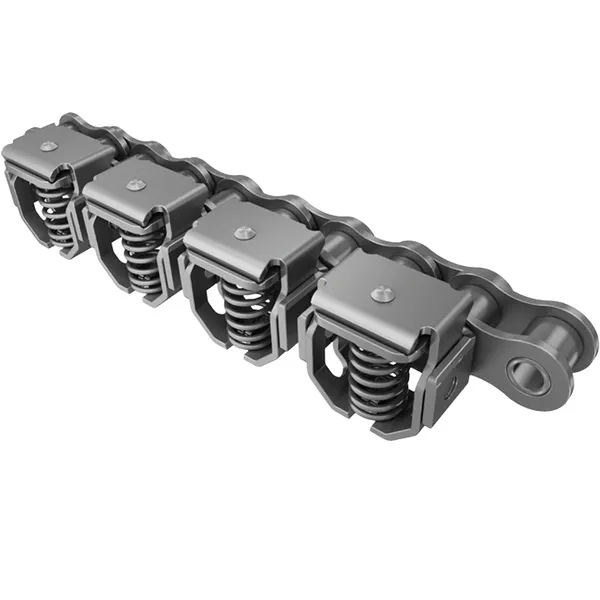
خود چکنا کرنے والی کنویئر چین کے استعمال کے کیا فوائد ہیں؟
خود چکنا کنویئر چینز روایتی چکنا کرنے والی زنجیروں کے مقابلے میں کئی فوائد پیش کرتی ہیں۔ یہاں کچھ اہم فوائد ہیں:
1. کم دیکھ بھال: خود چکنا کرنے والی زنجیریں باقاعدگی سے چکنا کرنے کی ضرورت کو ختم کرتی ہیں، دیکھ بھال کے لیے درکار وقت اور محنت کو کم کرتی ہیں۔ یہ خاص طور پر ان ایپلی کیشنز میں فائدہ مند ہے جہاں سلسلہ تک رسائی مشکل یا وقت طلب ہے۔
2. لاگت کی بچت: بیرونی چکنا کرنے کی ضرورت کو ختم کر کے، خود چکنا کرنے والی زنجیریں زنجیر کی زندگی بھر چکنا کرنے کے اخراجات کو کم کرنے میں مدد کر سکتی ہیں۔ اس میں چکنا کرنے والے مادوں کی لاگت کے ساتھ ساتھ پھسلن کی دیکھ بھال کے لیے درکار مزدوری اور سامان بھی شامل ہے۔
3. صاف ستھرا اور ماحول دوست: خود چکنا کرنے والی زنجیروں کو بیرونی چکنا کرنے والے مادوں کی ضرورت نہیں ہوتی، جس کے نتیجے میں کام کرنے کا ماحول صاف ستھرا ہوتا ہے۔ چکنا کرنے والے مادوں کے پھیلنے یا آس پاس کے علاقے کی آلودگی کا کوئی خطرہ نہیں ہے، جو انہیں ان ایپلی کیشنز کے لیے مثالی بناتے ہیں جن کے لیے صفائی کے سخت معیارات کی ضرورت ہوتی ہے، جیسے کہ فوڈ پروسیسنگ یا فارماسیوٹیکل انڈسٹریز۔
4. توسیع شدہ چین لائف: خود چکنا کرنے والی زنجیریں بلٹ ان چکنا کرنے والے نظاموں کے ساتھ ڈیزائن کی گئی ہیں جو چین کے اجزاء کو چکنا کرنے والے کی مسلسل اور کنٹرول شدہ فراہمی فراہم کرتی ہیں۔ یہ رگڑ، پہننے، اور گرمی کی پیداوار کو کم کرنے میں مدد کرتا ہے، جس کے نتیجے میں زنجیر کی لمبی زندگی اور بہتر کارکردگی ہوتی ہے۔
5. بہتر وشوسنییتا: مستقل اور قابل اعتماد چکنا کرنے کے ساتھ، خود چکنا کرنے والی زنجیریں بہترین کارکردگی کو برقرار رکھتی ہیں اور زنجیر کی ناکامی یا خرابی کے خطرے کو کم کرتی ہیں۔ وہ قبل از وقت پہننے، لمبا ہونے اور سنکنرن کے لیے کم حساس ہوتے ہیں، زیادہ قابل اعتماد اور موثر کنویئر سسٹم کو یقینی بناتے ہیں۔
یہ نوٹ کرنا ضروری ہے کہ خود چکنا کرنے والی زنجیروں کے مخصوص فوائد مینوفیکچرر اور چین کے ڈیزائن کے لحاظ سے مختلف ہو سکتے ہیں۔ کسی خاص ایپلی کیشن کے لیے خود چکنا کرنے والی زنجیروں کی مناسبیت اور فوائد کو سمجھنے کے لیے چین کے مینوفیکچرر یا صنعت کے ماہر سے مشورہ کرنے کی سفارش کی جاتی ہے۔

What are the factors to consider when selecting the pitch of a conveyor chain?
When selecting the pitch of a conveyor chain, several factors need to be considered to ensure optimal performance and efficiency. Here are the key factors:
1. Load Capacity: The pitch of the conveyor chain should be selected based on the anticipated load capacity of the system. Consider the weight and size of the conveyed materials to ensure the chain can handle the required load without exceeding its capacity.
2. Speed and Application: The operating speed of the conveyor system and the specific application play a role in determining the pitch. Higher speeds may require smaller pitch chains to maintain smooth and reliable operation.
3. Conveyor Length: The length of the conveyor system affects the selection of the chain pitch. Longer conveyors may require larger pitch chains to distribute the load and reduce tension on individual chain links.
4. Space Constraints: Consider the available space for the conveyor system. Smaller pitch chains may be preferred in applications with limited space to minimize the overall footprint of the conveyor.
5. Wear and Maintenance: The pitch selection should also consider the anticipated wear and maintenance requirements. Smaller pitch chains often provide better wear resistance and may require less frequent lubrication and maintenance.
6. Speed Regulation: If the conveyor system requires speed regulation or precise positioning, the pitch selection should align with the control capabilities of the drive system. Smaller pitch chains can offer finer control and accuracy.
7. Compatibility: Ensure that the selected pitch is compatible with other components of the conveyor system, including sprockets, guides, and attachments. They should be designed to work together smoothly and efficiently.
8. Application Environment: Consider the environmental conditions in which the conveyor will operate. Factors such as temperature, humidity, corrosive substances, or abrasive materials may influence the choice of chain pitch and material to ensure durability and longevity.
By considering these factors, you can select the appropriate pitch for the conveyor chain, ensuring optimal performance, longevity, and reliable operation of the system.
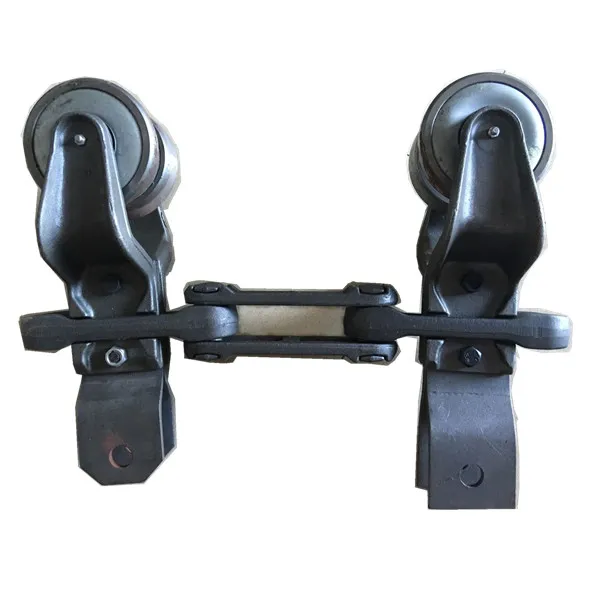
How do you optimize the efficiency of a conveyor chain system?
To optimize the efficiency of a conveyor chain system, several factors should be considered and implemented:
1. System Design: Ensure that the conveyor system is properly designed to minimize energy losses, reduce friction, and optimize material flow. Consider factors such as conveyor length, incline/decline angles, and the number and placement of drive units to achieve efficient operation.
2. Chain Selection: Select the appropriate conveyor chain based on the specific application requirements, such as load capacity, speed, and environmental conditions. Consider factors like chain material, pitch, and strength to ensure optimal performance and longevity.
3. Lubrication: Proper lubrication of the conveyor chain is essential for reducing friction, wear, and power consumption. Choose the right lubricant for the application and regularly maintain the lubrication levels to ensure smooth chain operation.
4. Tensioning and Alignment: Regularly inspect and adjust the tension and alignment of the conveyor chain to prevent excessive slack or tightness. Proper tensioning and alignment help to minimize chain wear, reduce energy losses, and ensure consistent performance.
5. Preventive Maintenance: Implement a regular maintenance program to identify and address potential issues before they escalate. This includes cleaning the chain, inspecting sprockets and guides, replacing worn components, and checking for proper tension and alignment. A well-maintained system reduces downtime and extends the life of the chain.
6. System Monitoring: Utilize monitoring tools such as sensors, cameras, or automated systems to track the performance of the conveyor chain system. Monitoring can provide valuable data on chain tension, alignment, speed, and power consumption, allowing for timely adjustments and optimization.
7. Training and Operator Awareness: Train operators on best practices for operating and maintaining the conveyor chain system. Promote awareness of energy efficiency, proper handling, and safety protocols to ensure optimal system performance.
By considering these factors and implementing appropriate measures, the efficiency of a conveyor chain system can be optimized, leading to improved productivity, reduced energy consumption, and longer chain life.


editor by CX 2023-08-11