Descrição do produto
Descrição do produto
Free Flow Chian
BS25
| Chain Number | model | Tom | Roller Dia. (D) | Roller Dia.(d) | Weight(kg/m) |
| BS25-C206B | SKVR25-1905 | 19.05 | 18.3 | 11.91 | 0.52 |
| BS25-C208A | SKVR25-2540 | 25.4 | 24.6 | 15.88 | 0.79 |
| BS25-C212A | SKVR25-3810 | 38.1 | 36.6 | 22.23 | 2.19 |
BS30
| Chain Number | model | Tom | Roller Dia. (D) | Roller Dia.(d) | Weight(kg/m) |
| BS30-C212A | SKVR30-3810 | 38.1 | 38 | 18 | 2.14 |
Free flow chian, also called plus speed chain, accumulation chain, Differential chain.
Free flow chian, also called plus speed chain, accumulation chain, Differential chain.
It is a popular chain used in pallet/tray conveyor system.
Free flow chian, also called plus speed chain, accumulation chain, Differential chain.
Free flow chain is 1 of the major products of Seikonveyor. Its production is finished in automatic factory. In every month CZPT factory supplys over 500000 CZPT free flow chain to the market. Include different materials types: Nylon, steel, stainless steel. and different color: black, blue, brown. Our free flow chain is widely used in automatic conveyor system, especially for different kinds of assembly lines
BS25 free flow chain production view
Free flow chian, also called plus speed chain, accumulation chain, Differential chain.
BS30 free flow chain production view
Free flow chian, also called plus speed chain, accumulation chain, Differential chain.
We pick perfect rollers to assemble the free flow chain, to ensure the chain run smooth
Free flow chian, also called plus speed chain, accumulation chain, Differential chain.
Bulk production makes our free flow chain with competitive price in the martke.
Free flow chian, also called plus speed chain, accumulation chain, Differential chain.
For bulk order, we provide plywood crate package to protect it from damage during transportation.
| Material: | Plastic |
|---|---|
| Estrutura: | Corrente de rolos |
| Tratamento de superfície: | Galvanoplastia |
| Recurso: | Fire Resistant, Oil Resistant, Heat Resistant |
| Chain 3: | 3 Speed Chain |
| Chain 2: | Speed Chain |
| Exemplos: |
US$ 20/Meter
1 Meter(Min.Order) | |
|---|
| Personalização: |
Disponível
| Solicitação personalizada |
|---|

Can a conveyor chain be used in high-speed applications?
Yes, a conveyor chain can be used in high-speed applications depending on the design and specifications of the chain and the conveyor system. However, there are certain factors to consider when using a conveyor chain in high-speed applications:
1. Chain Design: The design of the conveyor chain should be capable of handling high speeds without compromising safety or performance. Specialized high-speed chains are available that are specifically engineered to withstand the demands of high-speed applications.
2. Material Selection: The material used in the construction of the conveyor chain should have high strength and durability to withstand the forces and stresses at high speeds. Common materials for high-speed conveyor chains include alloy steels, stainless steel, and special polymers.
3. Lubrication: Proper lubrication is crucial in high-speed applications to reduce friction, heat, and wear. Lubricants specifically designed for high-speed conveyor chains should be used to ensure smooth operation and extend the chain’s lifespan.
4. Tensioning and Alignment: Accurate tensioning and alignment of the conveyor chain are critical for high-speed applications. Proper tensioning helps to maintain the chain’s stability and prevent excessive vibrations or elongation, which can lead to chain failure or premature wear.
5. Safety Considerations: High-speed applications require additional safety measures to protect personnel and equipment. Proper guarding, emergency stop systems, and regular maintenance inspections are essential to ensure safe operation.
It’s important to consult the conveyor chain manufacturer or an engineering professional to determine the suitability of a specific chain for high-speed applications. They can provide guidance on selecting the appropriate chain design, material, lubrication, and maintenance practices to ensure reliable and efficient operation at high speeds.
Quais são os benefícios de usar um sistema modular de corrente transportadora?
Um sistema modular de corrente transportadora oferece diversas vantagens em termos de flexibilidade, eficiência e facilidade de manutenção. Aqui estão algumas das principais vantagens:
1. Versatilidade: As esteiras transportadoras modulares são projetadas com módulos interligados que podem ser facilmente conectados e desconectados. Isso permite flexibilidade na configuração do sistema de esteiras de acordo com requisitos específicos de layout, necessidades de produção ou limitações de espaço. Os módulos podem ser adicionados, removidos ou reposicionados para acomodar mudanças nos processos de produção ou variações de produtos.
2. Personalização: O design modular do sistema de corrente transportadora permite a personalização para atender a requisitos específicos de aplicação. Estão disponíveis diferentes tipos de módulos, incluindo seções retas, curvas, inclinações, declives, junções e desviadores. Acessórios como guias laterais, taliscas ou dispositivos de fixação de produtos podem ser facilmente integrados ao sistema.
3. Instalação e Modificação Rápidas: As correntes transportadoras modulares são projetadas para fácil instalação e modificação. Com suas conexões de encaixe, os módulos podem ser montados ou desmontados rapidamente, reduzindo o tempo de inatividade durante a configuração ou reconfiguração do sistema. Esse recurso também facilita a manutenção, os reparos ou futuras expansões.
4. Maior Eficiência: A modularidade do sistema de esteiras transportadoras permite o manuseio eficiente de materiais e a otimização do fluxo de trabalho. A transferência suave entre os módulos minimiza o travamento ou desalinhamento dos produtos, garantindo um fluxo contínuo e consistente de materiais. A possibilidade de incorporar curvas ou inclinações ao sistema permite o uso eficiente do espaço disponível e facilita a movimentação de produtos em diferentes níveis.
5. Manutenção facilitada: Os sistemas modulares de correntes transportadoras são projetados para facilitar a manutenção. Os módulos individuais podem ser acessados e substituídos facilmente sem a necessidade de desmontar todo o sistema. Isso reduz o tempo e os custos de manutenção. Além disso, a estrutura aberta dos módulos permite fácil limpeza, remoção de detritos e inspeção.
6. Durabilidade e Confiabilidade: As correntes transportadoras modulares são geralmente fabricadas com materiais de alta qualidade, como plástico ou aço inoxidável, garantindo durabilidade e desempenho de longa duração. São resistentes ao desgaste, à corrosão e a danos químicos, tornando-as adequadas para diversos ambientes industriais. O design de encaixe proporciona estabilidade e evita o deslizamento da corrente durante a operação.
7. Recursos de segurança: Os sistemas modulares de corrente transportadora podem incorporar recursos de segurança, como botões de parada de emergência, proteções de segurança ou sensores para detecção de bloqueios ou cargas excessivas. Esses recursos ajudam a manter um ambiente de trabalho seguro para os operadores e protegem a integridade dos produtos transportados.
De forma geral, um sistema modular de esteiras transportadoras oferece versatilidade, capacidade de personalização, eficiência e facilidade de manutenção. É uma solução confiável para movimentação de materiais em setores como manufatura, embalagem, distribuição e logística.

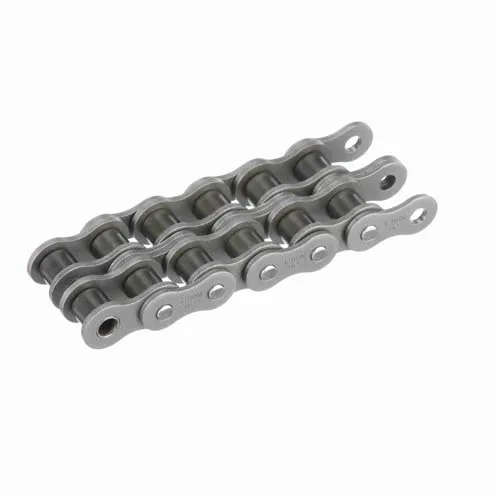
What are the main components of a conveyor chain?
The main components of a conveyor chain include:
- Chain Links: Chain links are the individual components that make up the conveyor chain. They are typically made of metal and are connected to form a continuous loop. The design and configuration of the chain links can vary depending on the specific application and load requirements.
- Pins: Pins are the cylindrical components that hold the chain links together. They are inserted through the end of each chain link to create a solid connection. Pins are usually made of hardened steel to withstand the forces and friction within the conveyor system.
- Sprockets: Sprockets are toothed wheels that engage with the chain links and provide the driving force to move the conveyor chain. They are typically made of durable materials such as steel or plastic and are designed to match the pitch and profile of the conveyor chain. Sprockets come in various sizes and configurations depending on the desired speed and load capacity of the conveyor system.
- Guide Rails: Guide rails are stationary components installed along the conveyor path to guide and support the movement of the conveyor chain. They help maintain proper alignment and prevent the chain from derailing or deviating from its intended path.
- Tensioners: Tensioners are devices used to maintain the proper tension in the conveyor chain. They ensure that the chain remains taut and engaged with the sprockets, preventing slack or excessive sagging. Tensioners can be adjusted to accommodate variations in chain length and to compensate for wear over time.
- Attachments and Accessories: Depending on the specific application, conveyor chains may include various attachments and accessories. These can include cleats, flights, buckets, or other devices that aid in the movement and handling of specific types of materials. These attachments are typically secured to the chain links at specific intervals or locations.
The combination of these components creates a robust and reliable conveyor chain system capable of efficiently transporting materials in a wide range of industrial applications.


editor by CX 2023-09-15