Өнім сипаттамасы
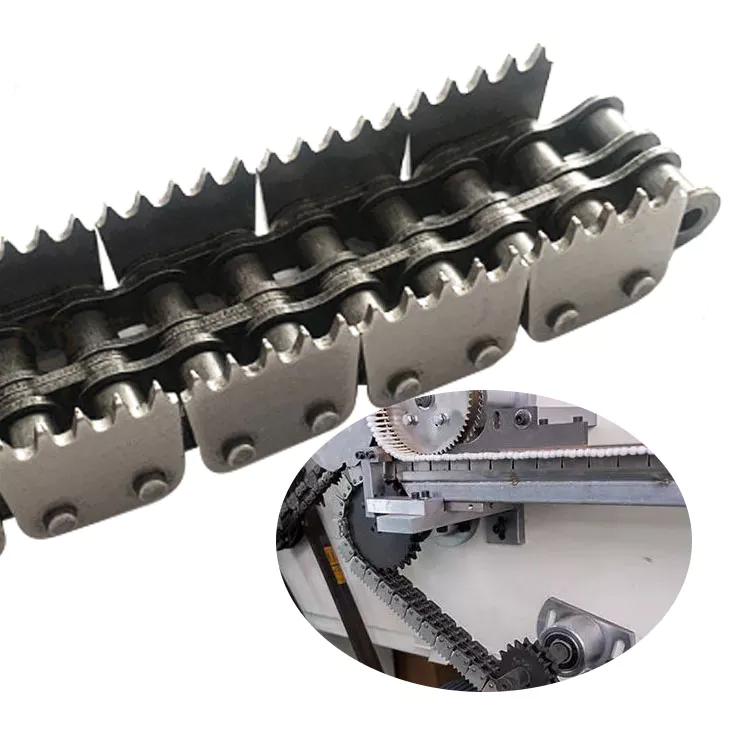
We offer a full and compete line of high-quality roller chain attachments.
| ISO NO. |
ANSI NO. |
PITCH | PLATE | DIMENSION | |||||
| П | Т | G | H | f | F | d3min | h | ||
| mm | mm | mm | mm | mm | mm | mm | mm | ||
| C208A | C2040 | 25.40 | 1.50 | 19.10 | 9.52 | 25.40 | 37.70 | 3.33 | 9.12 |
| C208AL | C2042 | ||||||||
| C210A | C2050 | 31.75 | 2.00 | 23.80 | 11.91 | 31.75 | 48.00 | 5.08 | 11.13 |
| C210AL | C2052 | ||||||||
| C212A | C2060 | 38.10 | 2.35 | 28.60 | 14.27 | 42.90 | 67.80 | 5.08 | 14.68 |
| C212AL | C2062 | ||||||||
| C216A | C2080 | 50.80 | 3.20 | 38.10 | 19.05 | 55.60 | 87.80 | 6.63 | 19.05 |
| C216AL | C2082 | ||||||||
| C220A | C2100 | 63.50 | 4.00 | 47.60 | 23.83 | 66.60 | 107.50 | 8.20 | 23.42 |
| C220AL | C2102 | ||||||||
| C224A | C2120 | 76.20 | 4.70 | 57.20 | 28.58 | 79.30 | 121.40 | 9.80 | 27.79 |
| C224AL | C2122 | ||||||||
| C232A | C2160 | 101.60 | 6.40 | 76.20 | 38.10 | 104.70 | 151.60 | 13.11 | 36.53 |
| C232AL | C2162 | ||||||||
| Қолданылуы: | Transmission Chain, Conveyor Chain, Attachments |
|---|---|
| Материал: | Alloy/Carbon Steel |
| Беттік өңдеу: | Жылтырату |
| Мүмкіндігі: | Heat Resistant |
| Тізбек өлшемі: | 1"*2 1/2" |
| Құрылымы: | Stamping |
| Үлгілер: |
US$ 1/Pcs
1 Pcs(Min.Order) | |
|---|
| Теңшеу: |
Қолжетімді
| Теңшелген сұраныс |
|---|

Can a conveyor chain be used in extreme temperature environments?
Yes, conveyor chains can be designed and manufactured to withstand extreme temperature environments. The suitability of a conveyor chain for high or low-temperature applications depends on the material composition and construction of the chain.
1. High-Temperature Environments: For applications involving high temperatures, conveyor chains made of heat-resistant materials such as stainless steel or special alloys are commonly used. These chains can withstand elevated temperatures without significant deformation or loss of strength. They are designed to resist oxidation, corrosion, and thermal expansion, ensuring reliable performance in hot environments.
2. Low-Temperature Environments: Similarly, conveyor chains can also be engineered for low-temperature applications. In cold environments, chains made of materials that remain ductile and strong at low temperatures are utilized. These chains are designed to withstand the effects of cold temperatures without becoming brittle or losing their mechanical properties.
It’s important to consult with conveyor chain manufacturers or experts who specialize in extreme temperature applications to select the most suitable chain material and design. They can provide guidance on factors such as material selection, lubrication, and operational considerations to ensure the conveyor chain performs effectively and reliably in extreme temperature environments.
How do you select the appropriate lubricant for a conveyor chain?
Selecting the right lubricant is crucial for maintaining the performance and longevity of a conveyor chain. Here are the key factors to consider when choosing a lubricant:
1. Chain Type and Material: Different conveyor chains may have specific requirements for lubrication based on their construction materials and design. Consult the manufacturer’s recommendations or specifications to determine the lubricant compatibility.
2. Operating Conditions: Consider the operating environment, such as temperature, humidity, and presence of contaminants. For high-temperature applications, choose a lubricant with a higher temperature tolerance. In wet or dusty environments, opt for lubricants that offer excellent resistance to water washout and provide effective protection against contaminants.
3. Load and Speed: Evaluate the load capacity and speed of the conveyor chain. Higher loads and speeds may require lubricants with better film strength and anti-wear properties to reduce friction and prevent premature wear.
4. Lubrication Method: Determine the lubrication method that will be used for the conveyor chain. Lubricants can be applied through drip systems, brushes, spray nozzles, or automatic lubrication systems. Consider the viscosity and consistency of the lubricant to ensure proper application and distribution.
5. Food-Grade Requirements: In food processing or pharmaceutical applications, where direct contact with the product may occur, it’s essential to use food-grade lubricants that meet industry regulations and requirements for safety and hygiene.
6. Maintenance Schedule: Consider the desired maintenance intervals and the lubricant’s longevity. Some lubricants may require more frequent reapplication, while others provide longer-lasting lubrication.
7. Compatibility with Other Materials: Take into account the compatibility of the lubricant with other materials in the conveyor system, such as seals, gaskets, and paints. Ensure that the lubricant does not cause any adverse effects on these components.
It is recommended to consult with lubricant manufacturers or industry experts to select the most suitable lubricant for your specific conveyor chain application. They can provide guidance based on their expertise and knowledge of lubricant formulations and performance characteristics.
What are the environmental considerations when using a conveyor chain?
When using a conveyor chain, there are several environmental considerations to take into account:
1. Temperature and Humidity: Conveyor chains may be exposed to different temperature and humidity levels depending on the application and operating environment. Extreme temperatures or high humidity can affect the performance and lifespan of the chain. It is important to select a chain material and lubrication that can withstand the specific environmental conditions.
2. Contamination and Cleanliness: The presence of dust, dirt, debris, or other contaminants can impact the operation and efficiency of the conveyor chain. Regular cleaning and maintenance should be performed to prevent build-up and ensure smooth chain movement.
3. Chemical Exposure: Conveyor chains used in industries such as chemical processing or food production may come into contact with corrosive chemicals or cleaning agents. It is crucial to choose a chain material that is resistant to chemical corrosion and select appropriate lubricants compatible with the chemicals present in the environment.
4. Noise and Vibration: Conveyor systems can generate noise and vibration during operation, which may have environmental implications. Noise reduction measures, such as using noise-dampening materials or implementing vibration isolation techniques, can help minimize the impact on the surrounding environment and comply with noise regulations.
5. Energy Efficiency: Consideration should be given to energy consumption and efficiency when using a conveyor chain. Optimize the system design, minimize friction losses, and utilize energy-efficient components to reduce the environmental impact and operational costs.
6. Sustainability: Increasingly, sustainability is an important consideration in industrial operations. Choosing conveyor chains made from recyclable or renewable materials, implementing energy-saving measures, and practicing responsible waste management can contribute to a more environmentally friendly operation.
By taking these environmental considerations into account, industries can ensure the proper functioning of conveyor chains while minimizing environmental impact and complying with relevant regulations.


editor by CX 2023-08-15