Product Description
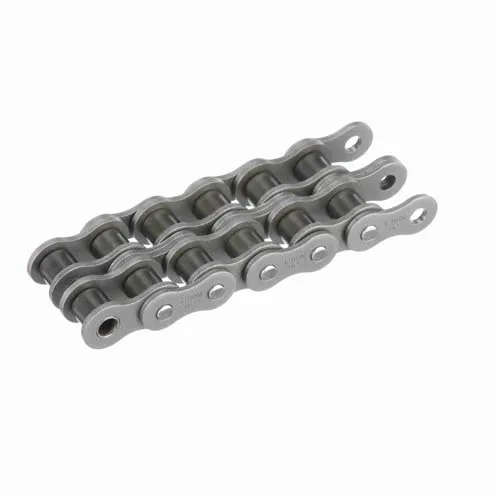
| Item | Leaf Chains | Application | Machinery Parts |
| Surface Teatment | Self-color/Sand-blasted/Shot-peening | Brand | OEM |
| Package | Poly bag, then box, finally poly-wooden case | Port | Any sea port or airport in China |
| Size | LH: LH0822,LH0823,LH571,LH0844,LH0846,LH0866,LH 0571 ,LH1571,LH1571,LH1034,LH1044, LH1046,LH1066,LH1088,LH1222,LH1223,LH1234,LH1244,LH1246,LH1266,LH1288,LH1622, LH1623,LH1634,LH1644,LH1646,LH1666,LH1688,LH2571,LH2571,LH2034,LH2044,LH2046, LH2066,LH2088,LH2422,LH2423,LH2434,LH2444,LH2446,LH2466,LH2488,LH2822,LH2823, LH2834,LH2844,LH2846,LH2866,LH2888,LH3222,LH3223,LH3234,LH3244,LH3246,LH3266, LH3288,LH4571,LH4571,LH4034,LH4044,LH4046,LH4066,LH4088 BL: BL422,BL423,BL434,BL444,BL446,BL488,BL522,BL523,BL534,BL544,BL546,BL566,BL588, BL622,BL623,BL634,BL644,BL646,BL688,BL822,BL823,BL834,BL844,BL846,BL866,BL888, BL1571,BL1571,BL1034,BL1044,BL1046,BL1088,BL1222,BL1223,BL1234,BL1244,BL1246, BL1266,BL1288,BL1422,BL1423,BL1434,BL1444,BL1446,BL1488,BL1622,BL1623,BL1634, BL1644,BL1646,BL1666,BL1888,BL2571,BL2571,BL2034,BL2044,BL2046,BL2088 LL: LL0622,LL0644,LL0666,LL0822,LL0844,LL0866,LL 0571 ,LL1571,LL1044,LL1066,LL1088,LL1222 LL1244,LL1266,LL1288,LL1622,LL1644,LL1666,LL1688,LL2571,LL2044,LL2066,LL2088,LL2422 LL2444,LL2466,LL2488,LL2822,LL2844,LL2866,LL2888,LL3222,LL3244,LL3266,LL3288,LL4571 LL4044,LL4066,LL4088,LL4822,LL4844,LL4866,LL4888 AL: AL322,AL344,AL422,AL444,AL466,AL522,AL534,AL544,AL566,AL622,AL644,AL666,AL688 AL822,AL844,AL866,AL888,AL1571,AL1044,AL1066,AL1088,AL1222,AL1244,AL1266,AL1288, AL1444,AL1466,AL1644,AL1666,AL1688 FL: FL644,FL666,FL688,FL523,FL844,FL922,FL944,FL945,FL956,FL966,FL988 |
||
| Material: | Iron |
|---|---|
| Structure: | Leaf Chain |
| Surface Treatment: | Polishing |
| Chain Size: | P9.525-P76.20 |
| Feature: | Fire Resistant, Oil Resistant, Heat Resistant |
| Transport Package: | Poly Bag, Box, Poly-Wooden Case |
| Muestras: |
US$ 10/Several Links
1 Several Links(Min.Order) | |
|---|
| Customization: |
Available
| Customized Request |
|---|
What are the considerations for selecting a low-maintenance conveyor chain?
When selecting a low-maintenance conveyor chain, several considerations should be taken into account:
1. Material Selection:
– Choose a conveyor chain made from materials that are resistant to wear, corrosion, and contamination. Stainless steel, plastic, or self-lubricating chains are commonly used for their durability and low maintenance requirements.
2. Lubrication-Free Design:
– Look for conveyor chains that have a self-lubricating design or are pre-lubricated with materials that reduce friction and eliminate the need for additional lubrication. This helps to minimize maintenance tasks associated with regular lubrication.
3. Sealed Construction:
– Consider conveyor chains with sealed construction to prevent the ingress of dirt, debris, and moisture. Sealed chains require less frequent cleaning and maintenance, making them ideal for low-maintenance applications.
4. Easy Cleaning:
– Opt for conveyor chains that are designed for easy cleaning. Smooth surfaces, open structures, and accessible components allow for quick and efficient cleaning, reducing maintenance time and effort.
5. Resistance to Contamination:
– Select a conveyor chain that is resistant to contamination. This includes resistance to chemicals, oils, greases, and other substances commonly found in the application environment. Chains that can withstand contamination require less frequent cleaning and maintenance.
6. Wear Monitoring:
– Look for conveyor chains that have wear monitoring features, such as wear indicators or sensors. These features help to identify chain wear and provide timely maintenance alerts, allowing for proactive replacement or adjustment.
7. Manufacturer Support:
– Consider the support provided by the chain manufacturer. A reputable manufacturer will offer guidance on maintenance intervals, replacement schedules, and provide technical assistance to ensure the proper functioning of the chain.
By considering these factors, you can select a low-maintenance conveyor chain that minimizes the need for frequent inspections, lubrication, cleaning, and replacement, resulting in reduced maintenance efforts and costs.
Can a conveyor chain be used in food processing applications?
Yes, a conveyor chain can be used in food processing applications. Conveyor chains play a crucial role in the efficient and hygienic handling of food products throughout the production process. Here are some key points to consider:
1. Food-Grade Materials: Conveyor chains used in food processing applications are typically made from food-grade materials such as stainless steel or plastic. These materials are corrosion-resistant, easy to clean, and comply with food safety regulations.
2. Hygiene Considerations: Food processing environments require high standards of hygiene. Conveyor chains designed for food applications incorporate features such as smooth surfaces, open link designs, and easy disassembly for thorough cleaning. They may also have specialized coatings or treatments to prevent bacterial growth.
3. Sanitary Design: Conveyor chains for food processing applications are designed with minimal crevices or joints to prevent food particles from getting trapped. They may have self-draining capabilities to remove excess fluids or debris.
4. Product Integrity: Conveyor chains in food processing applications ensure gentle handling of delicate food products to avoid damage or contamination. They can be equipped with accessories like cleats, side guards, or modular belt systems to securely hold and transport items of various shapes and sizes.
5. High Temperature and Washdown Capabilities: Some food processing applications require conveyor chains to withstand high temperatures during cooking, baking, or sterilization processes. Specialized chains with heat-resistant materials or coatings are available. Additionally, conveyor chains used in food processing should be capable of withstanding frequent washdowns and cleaning with water or cleaning agents.
6. Compliance with Standards: Conveyor chains used in food processing applications must comply with industry-specific standards such as FDA (Food and Drug Administration) regulations, HACCP (Hazard Analysis Critical Control Point) guidelines, and other food safety certifications.
When selecting a conveyor chain for food processing applications, it is important to consider the specific requirements of the production line, including the type of food being handled, the operating conditions, and the necessary sanitary standards. Proper maintenance and regular cleaning protocols should also be implemented to ensure food safety and product integrity.

What are the cost considerations when purchasing a conveyor chain?
When purchasing a conveyor chain, there are several cost considerations that need to be taken into account to ensure an optimal investment and operational efficiency.
1. Initial Cost: The initial cost of the conveyor chain includes the cost of the chain itself, as well as any additional components such as sprockets, attachments, and connecting links. It is important to compare prices from different suppliers and evaluate the overall value for the money.
2. Maintenance and Repair Costs: Consider the long-term maintenance and repair costs associated with the conveyor chain. Some chains may require more frequent lubrication or replacement of components, which can add to the overall operating expenses.
3. Service Life: The service life of the conveyor chain is an essential factor in determining its cost-effectiveness. Chains with longer service life may have a higher initial cost but can result in lower replacement and downtime costs in the long run.
4. Energy Efficiency: Energy consumption is an ongoing cost to consider. Conveyor chains that offer lower friction and efficient power transmission can contribute to energy savings and reduce operating expenses.
5. Maintenance Ease: Consider the ease of maintenance when selecting a conveyor chain. Chains that are easier to clean, inspect, and maintain can reduce labor costs and increase operational efficiency.
6. Compatibility and Integration: Ensure that the selected conveyor chain is compatible with the existing conveyor system or equipment. Retrofitting or modifying the system to accommodate a specific chain may incur additional costs.
7. Supplier Support and Warranty: Evaluate the level of technical support provided by the supplier and the warranty coverage offered for the conveyor chain. This can impact the overall cost of ownership and provide peace of mind in case of any unforeseen issues.
It is important to consider these factors holistically and make a cost-benefit analysis based on the specific requirements of the application. Choosing a conveyor chain that aligns with the budget, performance needs, and long-term cost considerations will help optimize the investment and ensure efficient material handling operations.


editor by CX 2023-09-11