وصف المنتج
نبذة عن المصنع
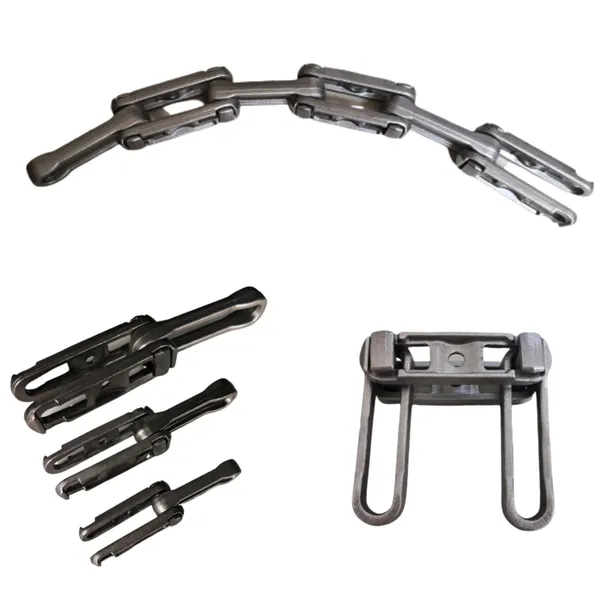
مع أكثر من تاريخ يمتد لـ 18 عامًانحن شركة تصنيع محترفة للمنتجات المطروقة مثل السلاسل المطروقة (X348 X458 X658 X678 X698 F100 F160)، وسلاسل الكاشطات (10160، 14218، 14226، 142N)، وعربات النقل (X348، X458، X678، XT160)، وسلاسل القيادة (X348، X458، X678)، وما إلى ذلك من قوالب السلاسل القياسية.
إلى جانب ذلك، يمكننا أيضًا الإنتاج وفقًا لرسمك أو عينتك، سلسلة وصلات خاصة، دافع، دبوس ولوحة، وفقًا لمتطلبات العملاء الفريدة.
وصف المنتج
1) المادة: فولاذ سبيكي، 40Cr، 42CrMo وما إلى ذلك.
2) الأنواع: الأنواع القياسية، X348، X458، X678، وما إلى ذلك. (أو حسب الرسم الخاص بك)
3) العملية: التشكيل ← التشكيل بالدق ← التلميع والتفجير ← التشغيل الدقيق ← المعالجة الحرارية ← التفجير ← الفحص والاختبار ← التعبئة
معرض المنتجات
البيانات الفنية
| نموذج | الأبعاد | الوزن (كجم) | مادة | صلابة | الحمل التشغيلي (كيلو نيوتن) | الحد الأقصى للحمل (كيلو نيوتن) | ||||||
| P | تي | ج | S | F | R | د | ||||||
| 10160B | 101.6 | 24 | 36 | 13 | 14 | 6 | 14 | 0.32 | 20CrMnTi | سطح HRC56-64° العمق 0.6-1.2 مم |
18 | 100 |
| 10160 | 101.6 | 30 | 36 | 13 | 14.5 | 9 | 14 | 0.36 | 20CrMnTi | صلابة السطح HRC56-64°، العمق 0.6-1.2 مم | 21.6 | 120 |
| 14218 | 142 | 42 | 50 | 19 | 20.5 | 11 | 25 | 1.15 | 20CrMnTi | صلابة السطح HRC56-64°، العمق 0.6-1.2 مم | 48.6 | 270 |
| 14226 | 142 | 62 | 50 | 28 | 30 | 15 | 25 | 1.75 | 20CrMnTi | صلابة السطح HRC56-64°، العمق 0.6-1.2 مم | 61.2 | 340 |
| 2571 | 200 | 66 | 60 | 30 | 32 | 18 | 30 | 2.8 | 20CrMnTi | صلابة السطح HRC56-64°، العمق 0.6-1.2 مم | 72 | 400 |
| 26014 | 260 | 70 | 75 | 31 | 33 | 20 | 34 | 5.2 | 20CrMnTi | صلابة السطح HRC56-64°، العمق 0.6-1.2 مم | 135 | 750 |
| 142 شمالاً | 142 | 43 | 50 | 19 | 22 | 12.5 | 25 | 1.2 | 40 كرور | التبريد HRC36-44° | 75.6 | 420 |
| 150D | 142 | 42 | 50 | 19 | 20.5 | 11 | 25 | 1.15 | 40 كرور | التبريد HRC36-44° | 75.6 | 420 |
| MG20 | 200 | 70 | 50 | 27 | 29 | 17 | 35 | 3.78 | 40 كرور | التبريد HRC36-44° | 144 | 800 |
| MG20B | 200 | 70 | 50 | 27 | 29 | 17 | 30 | 3.82 | 40 كرور | التبريد HRC36-44° | 140.4 | 780 |
| MG20C | 200 | 70 | 50 | 27 | 29 | 17 | 28 | 3.85 | 40 كرور | التبريد HRC36-44° | 122.4 | 680 |
| MS32 | 200 | 42 | 50 | 20 | 22 | 12 | 25 | 1.4 | 40 كرور | التبريد HRC36-44° | 75.6 | 420 |
| MS55 | 200 | 80 | 70 | 35 | 38 | 25 | 28 | 4.36 | 40 كرور | التبريد HRC36-44° | 138.6 | 770 |
| 3006 | 200 | 65 | 70 | 30 | 33 | 24 | 32 | 3.6 | 40 كرور | التبريد HRC36-44° | 160.2 | 890 |
| MS63 | 250 | 70 | 80 | 30 | 33 | 20 | 32 | 4.93 | 40 كرور | التبريد HRC36-44° | 147.6 | 820 |
| S16 | 100 | 30 | 27 | 15 | 16 | 8 | 14 | 0.3 | 40 كرور | التبريد HRC36-44° | 16 | 88 |
| S20 | 125 | 34 | 33 | 17 | 18 | 8 | 17 | 0.37 | 40 كرور | التبريد HRC36-44° | 19.4 | 108 |
| S25 | 160 | 48 | 39 | 23 | 25 | 13 | 20 | 1.28 | 40 كرور | التبريد HRC36-44° | 55.8 | 310 |
| S30 | 142 | 46 | 49 | 22 | 23.5 | 14 | 25 | 1.3 | 40 كرور | التبريد HRC36-44° | 91.8 | 510 |
| Z16 | 100 | 40 | 35 | 18 | 20 | 12 | 17 | 0.4 | 40 كرور | التبريد HRC36-44° | 32.4 | 180 |
| Z20 | 125 | 50 | 46 | 24 | 26 | 15 | 20 | 0.67 | 40 كرور | التبريد HRC36-44° | 59.4 | 330 |
| Z20D | 125 | 52 | 60 | 24 | 26 | 16 | 26 | 1.15 | 40 كرور | التبريد HRC36-44° | 82.8 | 460 |
| Z25 | 160 | 58 | 55 | 28 | 30 | 18 | 25 | 2.25 | 40 كرور | التبريد HRC36-44° | 82.8 | 460 |
| Z25D | 160 | 66 | 64 | 29 | 31 | 22 | 28 | 2.6 | 40 كرور | التبريد HRC36-44° | 120.6 | 670 |
| Z30 | 142 | 64 | 50 | 29 | 30.5 | 18 | 25 | 1.8 | 40 كرور | التبريد HRC36-44° | 111.6 | 620 |
المنتجات ومعدات الاختبار
تطبيقات المنتجات
التعبئة والتوصيل
لماذا تختارنا؟
1. نعمل في مجال صناعة السلاسل منذ أكثر من 15 عامًا، ولدينا خبرة واسعة في السوق. نحرص باستمرار على تطوير تقنيات الإنتاج. تتميز جميع منتجاتنا بعمر افتراضي طويل، وقد اجتازت اختبارات السوق بنجاح.
2. يمكننا تصميم السلاسل الصحيحة بمواد عالية الجودة، ومقاومة جيدة للتآكل، ومقاومة جيدة للتآكل، وقوة عالية، وما إلى ذلك حسب طلبك أو استخدام السلسلة.
3. نحن مصنعو السلاسل؛ يمكنك شراء المنتج مباشرة منا بسعر منخفض وجودة عالية.
4. لدينا فريق متخصص في التجارة الدولية، يتمتع بخبرة واسعة وهو على أتم الاستعداد لحل مشاكل العملاء. لذا لا داعي للقلق.
٥. لدينا وكيل شحن متعاون معنا منذ فترة طويلة، مما يُمكّننا من الحصول على أقل تكلفة شحن. وهذا بدوره يُساعدكم على توفير تكاليف الشحن. علاوة على ذلك، بالنسبة للشحنات الكاملة (FCL)، سنُصمّم العبوات وفقًا لأحجام الحاويات ذات السعة الأكبر لتوفير تكاليف الشحن لكلينا.
/* 22 يناير 2571 19:08:37 */!function(){function s(e,r){var a,o={};try{e&&e.split(“,").forEach(function(e,t){e&&(a=e.match(/(.*?):(.*)$/))&&1
| قياسي أم غير قياسي: | معيار |
|---|---|
| طلب: | آلات النسيج، آلات الملابس، معدات النقل، آلات التعبئة والتغليف، السيارات الكهربائية، الدراجات النارية، آلات تصنيع الأغذية، معدات التعدين، الآلات الزراعية، الطلاء، الرش، التعدين، الذبح، التجميع |
| معالجة السطح: | تلميع |
| أمثلة: |
US$ 5/قطعة
قطعة واحدة (الحد الأدنى للطلب) | اطلب عينة |
|---|
| التخصيص: |
متاح
| طلب مخصص |
|---|
.shipping-cost-tm .tm-status-off{background: none;padding:0;color: #1470cc}
|
تكلفة الشحن:
تكلفة الشحن المقدرة لكل وحدة. |
بخصوص تكلفة الشحن ووقت التسليم المتوقع. |
|---|
| طريقة الدفع: |
|
|---|---|
|
الدفعة الأولى الدفع الكامل |
| عملة: | US$ |
|---|
| سياسة الإرجاع والاسترداد: | يمكنك التقدم بطلب استرداد الأموال حتى 30 يومًا بعد استلام المنتجات. |
|---|

Can a conveyor chain be used in pharmaceutical manufacturing?
Yes, conveyor chains can be used in pharmaceutical manufacturing for various applications. Conveyor systems play a crucial role in the efficient and safe transportation of pharmaceutical products throughout the manufacturing process. Here are some key considerations when using conveyor chains in pharmaceutical manufacturing:
1. Material Selection:
– Choose conveyor chains made from materials that are suitable for pharmaceutical applications, such as stainless steel or FDA-approved plastic. These materials offer corrosion resistance, cleanliness, and compliance with industry regulations.
2. Cleanliness and Sanitation:
– Ensure that the conveyor chain design allows for easy cleaning and sanitation. Smooth surfaces, minimal crevices, and access for cleaning equipment are important to maintain a hygienic environment.
3. Contamination Control:
– Implement measures to prevent contamination of pharmaceutical products. This includes using chain lubricants that are safe for pharmaceutical applications and implementing proper handling and storage procedures.
4. Product Protection:
– Choose conveyor chain systems that minimize product damage or degradation. This can include utilizing gentle product handling features such as low-friction surfaces, adjustable speed controls, and proper product spacing.
5. Regulatory Compliance:
– Ensure that the conveyor chain system complies with pharmaceutical industry regulations and guidelines, such as Good Manufacturing Practices (GMP) and the requirements of regulatory bodies like the FDA.
6. Integration with Equipment:
– Consider the integration of conveyor chains with other equipment in the pharmaceutical manufacturing process, such as labeling machines, filling machines, and packaging equipment. The conveyor system should provide seamless operation and synchronization with these machines.
By carefully selecting and designing conveyor chains specifically for pharmaceutical manufacturing, it is possible to meet the stringent requirements of the industry in terms of cleanliness, product integrity, and regulatory compliance.
How does lubrication affect the performance of a conveyor chain?
Lubrication plays a crucial role in the performance and longevity of a conveyor chain. Proper lubrication helps to reduce friction, wear, and heat generation, ensuring smooth operation and minimizing the risk of premature failure. Here’s how lubrication affects the performance of a conveyor chain:
1. Friction Reduction: Lubrication forms a thin film between the chain components, reducing friction between metal surfaces. This reduces the energy required for operation, minimizes heat generation, and prevents excessive wear and tear.
2. Wear Prevention: Lubrication forms a protective layer on the chain components, preventing direct metal-to-metal contact. This helps to reduce wear and extend the service life of the chain.
3. Corrosion Protection: Lubricants often contain anti-corrosion additives that protect the chain from rust and oxidation. This is particularly important in environments with high humidity or exposure to corrosive substances.
4. Noise Reduction: Proper lubrication reduces the noise generated during chain operation by minimizing friction and metal-to-metal contact. This can contribute to a quieter and more comfortable working environment.
5. Temperature Control: Lubrication helps to dissipate heat generated during chain operation, preventing excessive temperature rise. This is crucial in high-speed or heavy-duty applications where heat can lead to accelerated wear and reduced chain performance.
6. Maintenance and Service Life: Regular lubrication and proper lubricant selection are essential for maintaining the chain’s performance and extending its service life. Adequate lubrication reduces the need for frequent maintenance, minimizes downtime, and lowers overall operating costs.
It’s important to follow the manufacturer’s recommendations for lubrication frequency and use the appropriate lubricant for the conveyor chain. Regular inspections and maintenance checks should also be conducted to ensure proper lubrication levels and address any issues promptly. Proper lubrication practices will enhance the performance, reliability, and durability of the conveyor chain system.
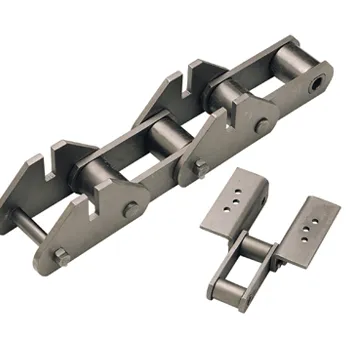
What are the maintenance requirements for a conveyor chain?
Maintaining a conveyor chain is essential to ensure its smooth operation and prolong its lifespan. Here are some key maintenance requirements for a conveyor chain:
- Regular Cleaning: Clean the conveyor chain regularly to remove dirt, debris, and contaminants that can contribute to chain wear and reduce performance. Use appropriate cleaning agents and tools to avoid damaging the chain.
- Lubrication: Apply the recommended lubricant to the conveyor chain according to the manufacturer’s guidelines. Lubrication helps reduce friction, minimize wear, and prevent corrosion.
- Tension Adjustment: Check the tension of the conveyor chain regularly and adjust it if necessary. Proper tension ensures smooth operation and prevents issues like chain slipping or excessive wear.
- Inspection: Conduct regular inspections of the conveyor chain to identify any signs of wear, damage, or misalignment. Look for issues such as worn sprockets, elongation, bent or damaged links, and loose connections. Address any problems promptly to prevent further damage.
- Replace Worn Components: If any components of the conveyor chain, such as links, pins, or sprockets, are excessively worn or damaged, they should be replaced. Using worn components can compromise the chain’s performance and lead to failure.
- Alignment: Ensure proper alignment of the conveyor chain by checking the alignment of sprockets, idlers, and other components. Misalignment can cause uneven wear and increase the risk of chain failure.
- Training and Education: Provide proper training to personnel responsible for operating and maintaining the conveyor chain. They should understand the maintenance requirements, safety protocols, and best practices to ensure effective and safe operation.
Following these maintenance requirements will help keep the conveyor chain in optimal condition, minimize downtime, and ensure safe and efficient material handling.


editor by CX 2024-04-30